

An increasing volume of cyber risks is affecting the UK’s financial ecosystem, which severely affects financial institutions. As a regulatory body, the Financial Conduct Authority has set very stringent regulations with regard to Operational Resilience. In addition, FCA compliance will directly relate the Cybersecurity Maturity of all Firms to Regulatory Trust with FCA.
Penetration testing will provide validation for real-life security effectiveness, as well as give firms the chance to find exploitable vulnerabilities before Attackers or Regulators do. Penetration Testing is also an essential part of developing effective FCA Compliance Strategies.
Understanding FCA Cybersecurity Requirements
The FCA requires businesses to act proactively in their approach to managing technology and cybersecurity risks. This activity supports the FCA’s expectations around regulatory compliance and operational resilience. Protection of customer data, systems, and financial stability is an obligation that all organisations have.
The level of cyber control a business should implement must be commensurate with its size and the level of risk associated with the technology. It is important that businesses test and evidence the effectiveness of their cyber controls, rather than just rely on the existence of policies. FCA regulatory compliance continues to focus on providing evidence of security and assurance as part of the regulatory compliance activity.
Why Penetration Testing Is Essential for FCA Compliance
Penetation testing allows companies to validate their security controls to ensure they work as intended. It provides the means to replicate an actual attacker’s actions across multiple platforms and applications. This allows firms to meet the FCA compliance expectations, which are aligned with an outcome-oriented approach.
Regulators are expecting companies to identify their vulnerabilities prior to a threat actor being able to use the vulnerability for personal gain. The results of penetration testing also allow firms to develop a greater awareness of risk and accountability at the board level. Therefore, many FCA compliance consulting companies advocate for conducting pentesting services as a key control component.
Types of Penetration Tests for FCA-Regulated Firms
Firms regulated by the FCA (Financial Conduct Authority) operate in a complex and interconnected digital environment. The types of attack surfaces need to be tested using different testing approaches. A layered approach enhances the overall security posture and creates a broader framework for comprehensive FCA compliance management solutions. Listed below are the most relevant penetration testing types.
Network Penetration Testing
Network penetration testing assesses both the internal and external security controls in place for an organisation’s networks. Penetration testing for the network can identify misconfigurations, weak credentials, and exposed services, as well as assess in detail streamlined attack paths between different segmented networks. The testing conducted will support an organisation’s infrastructure resilience, which is a key requirement from regulators.
Web Application Penetration Testing
All web applications, such as web portals, typically contain sensitive customer and transaction details. Web application penetration testing tests the listed OWASP Top Ten vulnerabilities and logic flaws. Logic flaw vulnerabilities often include issues with authentication and session management. This method of penetration testing is essential to providing consumers with the confidence to utilise digital commerce. Additionally, it meets the FCA’s expectations around authorisation.
API Penetration Testing
The API is a fundamental element in any open banking system or finance integration. Penetration Testing for the API is performed to test for Broken Authentication and Excessive Data Exposure. Additionally, Penetration Testing verifies Abuse of Business Logic Scenarios. This is essential for companies that are utilising Open Finance Business Models. Learn more about API penetration testing.
Cloud Penetration Testing
Cloud services and environments are based upon a Shared Responsibility Model; therefore, it is necessary to understand how to protect sensitive data. Penetration Testing, therefore, tests Identity Service Provisioning (ISP), Storage Exposure, and Network Access Control. However, the majority of Misconfigured Services are revealed through Cloud Penetration Testing. Modern FCA regulations have increased the need for Cloud Compliance.
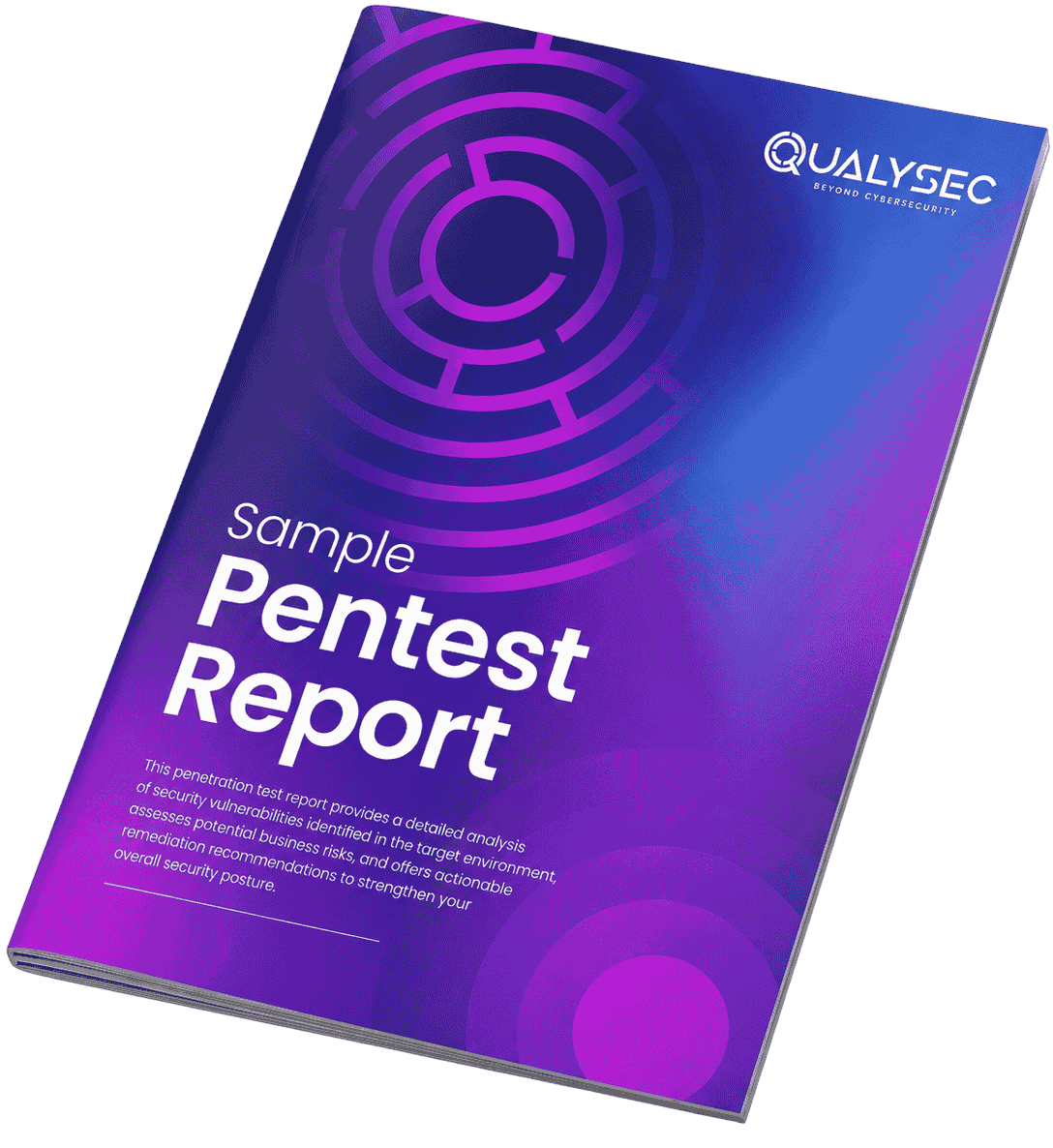
Download a sample FCA-Aligned Penetration Testing report and understand how regulatory expectations map to findings.
How Penetration Testing Supports FCA Audits
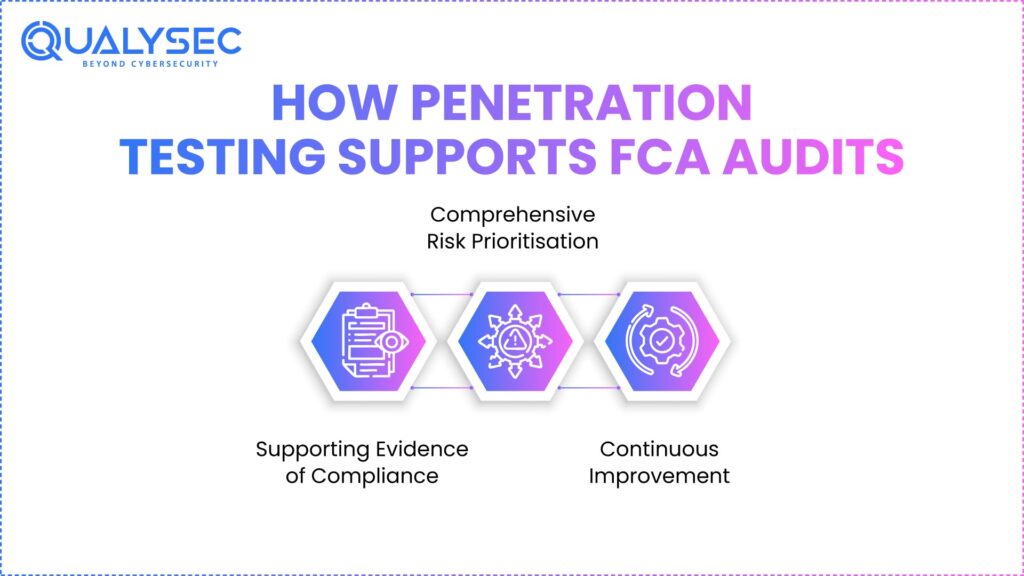
The efficacy of cyber risk management is increasingly incorporated into FCA Audits. Auditors utilise Penetration Testing for concrete technical evidence, which demonstrates that an organisation is taking proactive steps to identify and eliminate risks.
Audit readiness is enhanced when organisations track and address audit findings. Penetration Testing assists in providing a means of supporting the Governance and Accountability Framework.
Supporting Evidence of Compliance
Penetration Test Reports provide structured and verifiable evidence of a firm’s information security program in terms of compliance with FCA Cybersecurity Expectations. As an independent and repeatable Testing Process, Penetration Tests demonstrate compliance to auditors. There were also multiple instances of repeatable results that could reduce the levels of regulatory scrutiny when an FCA Audit is performed.
Comprehensive Risk Prioritisation
Penetration Tests identify Vulnerabilities based on World Exploitability. It enables organisations to prioritise their Remediation Efforts more efficiently and effectively. As a result, organisations can align their Security Investments to a regulation-specific risk appetite.
Boards of Directors receive a clearer and more concise view of their company’s Cyber Risk Profile through Penetration Testing.
Continuous Improvement
Penetration Testing conducted at multiple intervals provides evidence of the organisation’s progression of its Security Maturity over Time. Penetration Testing verifies whether the team properly repaired and/or resolved Penetration Test Remediation Issues. Use of this Continuous Improvement Process is critical to enabling an organisation to maintain FCA Regulatory Compliance.
Common FCA Compliance Gaps Identified During Pen Tests
It is common for organisations to think they use controls, but then test results show that there are gaps. These gaps can lead to increased regulatory and operational risk.
A penetration test will reveal weaknesses that are not identified in internal reviews. By fixing these weaknesses, you can greatly improve your company’s confidence in compliance. Some examples of frequently identified issues.
Weak Access Controls
Organisations often have excessive privileges across their systems. Multi-factor authentication is applied inconsistently. Dormant accounts remain active longer than they should. These Gaps directly affect FCA risk assessments.
Inadequate Management of Software Patching
Many software programs are still using outdated versions that can be exploited. Operational limitations lead to the delay of critical patches. Therefore, businesses become vulnerable to known types of attacks. Timely remediation of vulnerabilities is expected from regulatory bodies.
Vendor Integrations Are Not Secure With External Access
Vendor systems generally create increased potential for attack without their knowledge. Vendor-provided API keys and other credentials are not adequately protected. The vendor poorly monitors third-party access; this impacts the overall regulatory compliance posture with the FCA.
Best Practices for FCA-Ready Penetration Testing
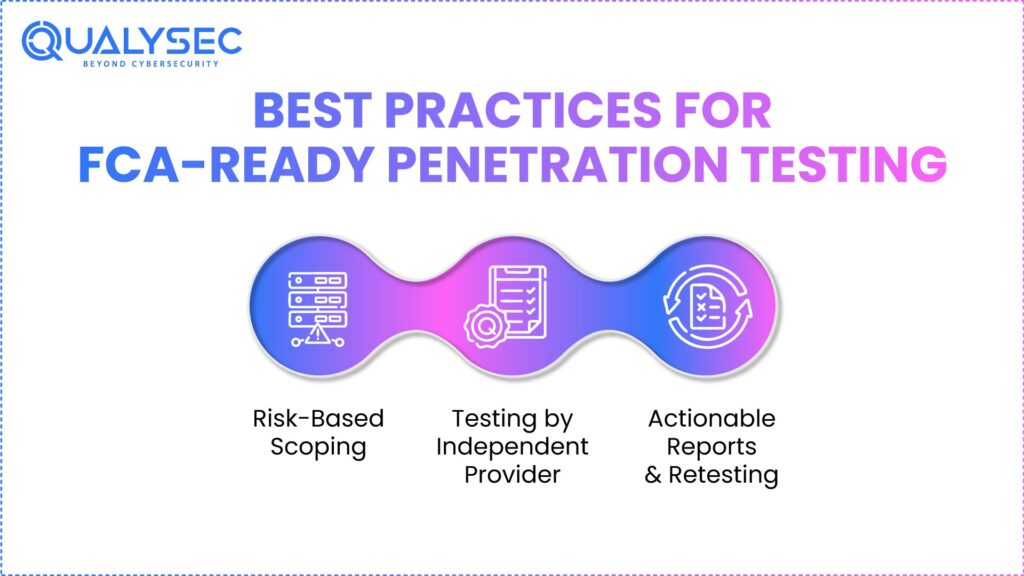
Penetration testing is meant to be proactive, rather than reactive. The FCA wants to see that penetration testing is aligned with the business risk profile. Using best practices for penetration testing ultimately leads to improved security results and also meets the expectations of FCA compliance specialists. Some of the key elements of best practices for penetration testing are:
Risk-Based Scoping
The scope of penetration testing should always be based on business-critical processes and systems. Systems with the highest level of risk should always receive a more thorough testing methodology. This approach adheres to FCA proportionality principles and results in improved use of resources for implementing security solutions.
Testing by Independent Provider
Independent validators provide an unbiased perspective on your firm’s business environment and help ensure regulatory compliance. Independent Validators can reduce many conflicts of interest. Many financial institutions choose to use the Independent Validator’s expertise.
Actionable Reports & Retesting
Reporting should highlight top priority findings. Remediation guidance should be clearly defined within the scope of an organisation. Retesting ensures that someone has implemented remediation solutions successfully before submission to an audit. This supports the best practices for developing and managing FCA Compliance System Solutions.
Turn FCA Best Practices Into Action. Talk to a Qualysec expert to apply regulator-aligned penetration testing strategies to protect your financial systems.

Why Financial Firms Choose Qualysec For FCA Compliance
Businesses that are involved in finance need reliable and skilled partners. Qualysec has the experience to work in a regulated environment. As a Crest-accredited cybersecurity company, they offer services that meet the high expectations of the FCA with regard to Cyber Security. Qualysec’s suite of products supports businesses to achieve 100% compliance. Here are the top reasons businesses choose to partner with Qualysec.
Testing to Help You Stay Compliant with the FCA
Qualysec’s testing focuses on compliance with the FCA’s regulatory framework. Results of compliance testing will clearly show the areas where the business is compliant with the FCA requirements. This should provide businesses with greater clarity on their current level of compliance.
Extensive Technical Skill
Testing includes applications, networks, APIs, and cloud platforms. Simulating advanced attacks identifies multi-faceted exploitation pathways. Reports are based on the perspectives of actual malicious digital attackers. With these capabilities, FCA authorisation consultants have what they expect from this in-depth technology.
Definitive Remediation and Consultancy Support
Qualysec offers direction for the resolution of any actionable remediation or corrective measures. Its consultants assist an organisation with rectifying any gaps with respect to compliance. The ongoing advisory service further enhances the security governance of an organisation. As a result, the company will position clients with the best potential for long-term sustainable regulatory confidence.
Expand your knowledge about What Cybersecurity is for Financial Services.
Conclusion
The importance of cybersecurity in regulatory trust and sustainability continues to be paramount. The FCA requires companies to demonstrate that their practices are secure. Penetration testing offers companies an opportunity to validate in practice that their controls work properly. Penetration testing is an additional tool for supporting audits, risk management, and accountability to boards of directors.
Companies that proactively seek out penetration testing decrease their regulatory and cybersecurity risks. Partnering with experienced penetration testing providers allows for a faster acceleration of organisations’ compliance with FCA compliance requirements. Ultimately, penetration testing establishes sustainable compliance with FCA requirements.
“We were impressed with Qualysec’s communication, expertise, and dedication. They thoroughly tested our customer journey, back-office systems, and Azure cloud, identified eight issues, and supported us through multiple retests. The team was responsive, skilled, and delivered on time.”
FAQs
1. What is FCA compliance?
FCA Regulatory Compliance means following the required processes and procedures for regulations set out by the FCA. The goal is to create safe operating environments for financial institutions and to provide greater transparency in financial practice, while also promoting the best interests of the customer.
2. What are the 5 FCA conduct rules?
The FCA Conduct Rules establish standards of conduct for the financial services industry, with emphasis placed on integrity and proper skills, as well as care and diligence when dealing with customers. Additionally, they promote fair treatment of customers and prohibit unfair practices in the market.
3. What does the FCA stand for?
FCA means Financial Conduct Authority in the UK and is the governing body for all regulated financial institutions in the UK. Used with permission.
4. What does FCA mean in the UK?
FCA means Financial Conduct Authority and is the primary regulator of financial services in the UK. It has responsibility for overseeing how firms behave and for protecting customers and ensuring that markets are functioning with integrity.
5. What are the 11 principles of the FCA?
The FCA has defined 11 principles for authorised firms that include establishing and maintaining systems and controls of their business, which include Integrity, Governance, Risk Management, Fair Treatment of Customers, and Transparency.
6. What are the 4 key objectives of the FCA?
The FCA aims to ensure that it protects customers and maintains the integrity of the marketplace, with additional goals to create a competitive market and maintain the stability of the financial system. This creates a competitive market and enables the financial system to be stable.