

A website scanner is an essential security solution that assists UK businesses in safeguarding their online resources against internet attacks. As cybercrime costs UK businesses more than PS21 billion per annum, performing regular website security scans has become mandatory in ensuring effective online security. A website vulnerability scanner will scan your site methodically to identify security vulnerabilities, misconfigurations, and possible routes that hackers may use to gain access. You might be operating an e-commerce site in London or a financial services site in Edinburgh. Still, an online vulnerability scanner is essential to ensure your business and customer information remains safe as cyber attacks on UK organisations become more and more sophisticated.
What Are the Main Types of Website Vulnerabilities That UK Businesses Face?
UK companies face numerous security threats that can be used to attack their websites, exposing sensitive information. The first step of executing effective protection measures can be achieved by understanding these vulnerabilities.
Common Security Vulnerabilities
Many security defects often plague UK businesses and can be identified using website vulnerability scanners:
- SQL Injection attacks – SQL Injection attacks allow the attacker to manipulate database requests to access confidential customer data.
- Cross-Site Scripting (XSS) – There are scripts that are written maliciously and can steal user credentials and session tokens on web pages.
- Cross-Site Request Forgery (CSRF) – Unapproved commands issued by an authorised user can be used.
- Directory traversal vulnerabilities – Attackers can access restricted files and directories of the web servers.
- Authentication bypass flaws – There are weak login systems that can be used to obtain unauthorized access.
- Insecure file uploads – Files uploaded insecurely to systems via hacked forms can compromise the system.
Scan Your Website for Vulnerabilities Now! Use our Website Vulnerability Scanner to detect risks and secure your site instantly.
UK-Specific Threat Landscape
According to the National Cyber Security Centre (NCSC), there are more than 65,000 attempted cyber attacks on businesses in the UK each day. The situation in which a site vulnerability scanner is necessary is:
- In 2023, 39 percent of businesses in the UK reported breaches to their cyber security.
- Small UK businesses are especially vulnerable: 83% do not have sufficient cyber security measures.
- On the one hand, the mean cost of a UK company data breach is PS3.58 million.
- UK businesses must have suitable technical controls to secure personal data so that they can comply with GDPR.
Explore our What is VAPT Testing? Importance, Types and Methodology
How Do Website Scanners Work to Identify Security Weaknesses?
Web app vulnerability scanners are based on sophisticated techniques to scan websites to find vulnerabilities. One should know how these tools operate in order to make some wise decisions about how to go about security testing.
Scanning Methodologies
A detailed website security scan would normally use several methods of testing:
Automated Vulnerability Detection Modern online vulnerability scanners rely on automated crawling to find web pages, forms, and parameters. Then they compare discovered elements to databases of known vulnerabilities, security misconfigurations, and common attack vectors.
Dynamic Analysis Site security scanners are used to execute real-time testing of sites, in which different payloads are sent and responses are monitored. This also allows the detection of runtime vulnerabilities that would not be visible during static code analysis.
Signature-Based Detection. These tools maintain updated databases of vulnerability signatures, enabling them to rapidly spot known security flaws of popular web technologies and structures employed by businesses in the UK.
Download Our Web App Penetration Testing Methodology
Key Scanning Features
| Feature | Description | Benefit for UK Businesses |
| SSL/TLS Testing | Checks encryption protocols | Ensures GDPR compliance |
| OWASP Top 10 Coverage | Tests against common vulnerabilities | Addresses primary security risks |
| CMS-Specific Scans | WordPress, Drupal, Joomla testing | Protects popular UK website platforms |
| API Security Testing | REST and GraphQL vulnerability detection | Secures modern web applications |
| Authentication Testing | Login mechanism security assessment | Prevents unauthorised access |
| Configuration Analysis | Server and application misconfigurations | Reduces attack surface |
Recommended read: Our comprehensive guide to web aplication penetration testing
Real-Time Monitoring Capabilities
Advanced website vulnerability scanners offer continuous monitoring features that provide UK businesses with:
- Immediate alerts when new vulnerabilities are discovered.
- Frequent reporting of compliance with regulatory requirements.
- Interfaces with existing security information and event management (SIEM) systems.
- Patch management recommendations are automated.
- Vulnerability and exploitability-based risk prioritisation.
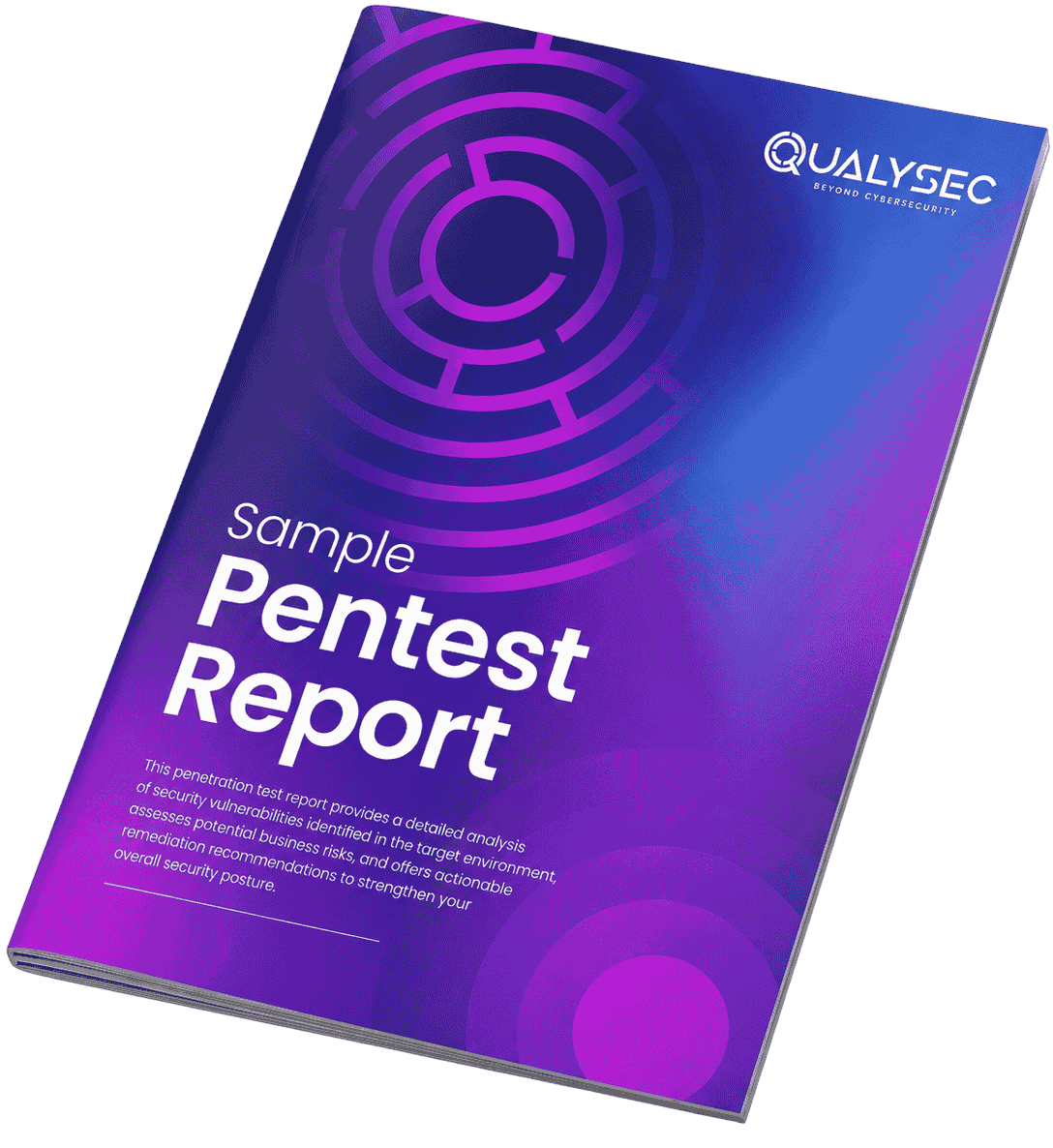
Download our Sample Penetration Testing Report to understand how vulnerabilities are reported and mitigated.
Which Tools and Techniques Deliver the Most Effective Results?
The choice of correct website vulnerability scanner tools and the correct scanning techniques will have a great influence on the success of your security testing programme.
Leading Scanning Technologies
Professional-Grade Scanners – Enterprise-level web app vulnerability scanners provide end-to-end testing functionality. These tools include comprehensive reporting, compliance mapping, and development flow integration.
Open-Source Solutions – Open-source scanners are offered at low costs to smaller UK businesses. Applications such as OWASP ZAP and Nikto have simple vulnerability detection functionality that is free of license charges.
Cloud-Based Scanning Services – Online vulnerability scanners remove the physical infrastructure requirements and offer up-to-date vulnerability databases. These solutions will be especially applicable to UK companies relying on cloud-based websites and applications.
Best Practices for Effective Scanning
Implementing a successful website security testing scan programmed requires following established best practices:
- Schedule regular scans – Have periodic scans once a week or once a month according to your risk profile and industry needs.
- Test multiple environments -Test the development, staging, and production environments to identify vulnerabilities early.
- Combine scanning methods – Authenticated and unauthenticated scans should be used to cover a wide area.
- Prioritise remediation – High-severity vulnerabilities with the potential to cause data breaches should be prioritised.
- Validate results – Check scanner results by hand to minimize false positives.
- Document everything – Maintain detailed records for compliance and audit purposes.
You might like to fread about Best Practices for Web Application Security in 2025
Integration with Development Processes
The advantage of UK business modernity is the presence of website vulnerability scanners as part of the development life cycle:
DevSecOps Implementation – Implementing security testing into continuous integration/continuous deployment (CI/CD) pipelines will identify vulnerabilities and fix them as early as possible in the development cycle.
API-First Scanning – With APIs driving a large number of modern web applications, API-specific web app vulnerability scanners have become a necessity in the UK fintech and e-commerce sector.
Chat with Qualysec AI Chatbot Now! Get instant answers, security insights, and expert guidance for website security anytime.
Why Is Qualysec the Leading Website Scanner Provider for UK Businesses?

UK businesses should use a partner who is aware of local regulatory requirements, threat landscape, and business needs when choosing a website vulnerability scanner provider. Qualysec has positioned itself as the leader in providing organisations with complete solutions regarding website security.
Comprehensive UK Market Understanding
The UK cyber security environment is clearly known to Qualysec, which is an added benefit over their international competitors. Their team of competent security professionals understands the issues unique to British companies, and as well as GDPR compliance requirements, they are knowledgeable about industry-specific regulations that affect financial services organisations, healthcare organisations, and retail organisations.
Advanced Scanning Technologies
Qualysec’s online vulnerability scanner platform utilises cutting-edge technologies that deliver superior results compared to traditional scanning tools. Their proprietary scanning engine combines:
- AI-powered vulnerability detection that reduces false positives by 87%
- Real-time threat intelligence integration from UK and global security sources
- Custom rule sets tailored to UK regulatory requirements and industry standards
- Advanced authentication testing that identifies sophisticated bypass techniques
- Comprehensive API security testing for modern web applications
UK-Specific Service Delivery
Understanding that UK businesses require localised service delivery, Qualysec provides:
Local Support Teams – UK-based security professionals with knowledge of local business hours, compliance, and communication preferences mean responsive assistance when you need them most.
Regulatory Compliance Expertise – Qualysec consultants are knowledgeable on UK regulations such as GDPR, PCI DSS protocols, and industry-specific regulations, so your site security scan results are directly associated with compliance requirements. Learn more on Data Security Compliance services.
Rapid Response Capabilities – The UK-based incident response services will enable Qualysec to be on hand to offer immediate assistance when an organisation identifies critical vulnerabilities to ensure that the impact on business is as minimal as possible.
Proven Track Record with UK Organisations
Qualysec has been able to collaborate with hundreds of businesses in the UK, both start-ups in the Manchester tech hub and more established bodies in the City of London. Their customer testimonials always mention:
- 95% reduction in security incidents following implementation
- Improved compliance audit results
- Enhanced customer trust and business reputation
- Streamlined security testing processes
Schedule your free consultation with Qualysec today to discover how their website vulnerability scanner solutions can protect your UK business from evolving cyber threats.
Conclusion
An efficient website scanner programme is no longer a luxury that UK companies working in the present-day threat environment enjoy. Due to the increasing number and sophistication of cyber attacks, it has become a requirement to conduct website security scans using professional-grade website vulnerability scanners to ensure that business operations, customer data, and compliance with regulations are not in jeopardy.
The reason is that automated online vulnerability scanners with expert-led security testing can provide a wide scope of protection against all forms of internet-based threats to UK organisations. By working with the experienced vendors, e.g., Qualysec, business organizations can be assured that their web app vulnerability scanner integrations can deliver the highest possible value and that they will address UK-specific regulatory and operational requirements.
Contact Qualysec’s UK team to begin implementing a comprehensive website security scanning programme that protects your digital assets and supports your business growth objectives.

FAQ
1. What Is Website Vulnerability Scanning and Why Is It Essential?
Website vulnerability scanning is a type of automated security testing that can scan websites to identify security vulnerabilities, misconfigurations, and attack vectors. UK businesses require it because it will enable the companies to identify the vulnerabilities before attackers utilise them to make sure that the businesses can adhere to the GDPR and safeguard customer data against the increasing number of intruders who utilise more sophisticated ways of hacking into organisations situated in the UK.
2. How to check if a website is legit in the UK?
In order to confirm the legitimacy of the site in the UK, we use a full site security scanner to check the presence of an SSL certificate, valid domain registration, and security settings. You can also confirm that the company registers with Companies House, you can examine UK regulatory compliance indicators, and you can scan the site with online vulnerability scanners to verify that malicious elements have not affected the company.
3. What is the cyber security website in the UK?
The National Cyber Security Centre (NCSC) is the main cyber security agency in the UK that offers advice and resources to companies. To complete the task of a website vulnerability scanner, Qualysec provides specific UK-based services on security testing that can integrate automated scanning with a human code scan to keep UK businesses secure against various emerging cyber threats.
4. Is it illegal to scan a website for vulnerabilities?
Vulnerability scanning is also not illegal in the UK, provided that it is done on your own sites or with the consent of the owners of those sites. It is possible that accessing third-party sites in such a way as to use a website scanner without permission is in breach of the Computer Misuse Act 1990. It is also important to have the necessary authorisation first before performing any website security scans and to use legal advice in complex situations.
5. What Types of Vulnerabilities Can It Detect?
Current vulnerability scanners are capable of identifying SQL injection, cross-site scripting (XSS), authentication bypass, directory traversal, and configuration errors. More complex site vulnerability scanners find not only the problems of SSL/TLS, but also API vulnerabilities and CMS vulnerabilities, covering all the risks to the security of UK websites and web applications.
6. Should I Combine Scanning with Penetration Testing?
Current vulnerability scanners of a website can detect SQL injection, cross-site scripting (XSS), authentication bypass, directory traversal, and configuration vulnerabilities. More advanced online vulnerability scanners are able to identify the existence of an SSL/TLS vulnerability, API vulnerability, and CMS-specific vulnerability, which are the majority of security vulnerabilities impacting UK websites and web applications.