

“
Qualysec did a great job identifying vulnerabilities in our web and cloud applications and gave us clear steps to fix them. They stuck to deadlines, handled re-tests, and supported well.
Kenny Kim
Product Manager

Ensure the security of your embedded devices with Qualysec’s embedded device penetration testing. We help identify vulnerabilities, guide you through remediation, and ensure your devices meet industry standards and compliance requirements.

















DEFINITION
Protect your embedded ecosystem by uncovering vulnerabilities before attackers do.
Embedded device penetration testing involves simulating real-world cyberattacks to identify vulnerabilities within your embedded systems and their associated ecosystems. This comprehensive security assessment examines device firmware, communication protocols, and hardware interfaces to ensure robust security. Our goal is to prevent data breaches, unauthorized access, and potential service disruptions, ensuring that your embedded devices operate securely and efficiently.
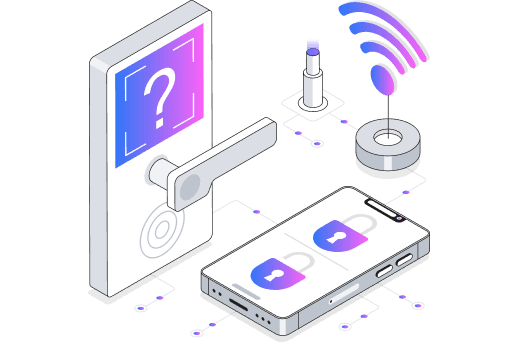
Vulnerabilities
We conduct manual penetration testing to identify various vulnerabilities in embedded devices
Process
At Qualysec, we ensure the security of your embedded devices through a rigorous testing process designed to uncover and address security gaps.

We collaborate closely with you to outline the test boundaries to identify critical assets and potential risk areas. This tailored approach ensures a focused and effective assessment.

Head Of Business Development
“Connect with Swagat, Your trusted penetration testing advisor. Secure your assets. Reach out Today!”
Testimonials
Read what our clients say about our services. See how Qualysec has helped several businesses to keep their digital assets safe!
Qualysec did a great job identifying vulnerabilities in our web and cloud applications and gave us clear steps to fix them. They stuck to deadlines, handled re-tests, and supported well.
Product Manager
Key Benefits
Our embedded device penetration testing services help you secure your systems and protect your data. Here are the key benefits of identifying and addressing vulnerabilities in your embedded devices.
Detect and mitigate security flaws before they are exploited by malicious actors.
Ensure your embedded devices meet industry standards and regulatory requirements, including GDPR, HIPAA, and more.
Safeguard sensitive user data and prevent breaches.
Protect against disruptions caused by potential embedded devices vulnerabilities.
Avoid the financial losses associated with breaches, device downtime, or reputational damage.
Building a secure embedded device reassures users that their data, firmware, and interactions with your technology are completely safe.
Other Types
We offer various approaches based on your ecosystem's specific needs.

We simulate an external attacker with no inside knowledge. This method tests your embedded device’s real-world defenses against unknown threats.

Our team works with full access to your embedded device’s firmware, hardware schematics, APIs, and source code. This in-depth approach uncovers hidden vulnerabilities and logic flaws.

We blend both approaches, using limited internal information. This balanced method provides comprehensive security insights while mimicking a semi-informed attacker.
Free Downloads
Expand your understanding of Embedded security with our free testing reports. They are designed to help you improve the security posture of your IoT ecosystem.

Discover potential vulnerabilities in IoT devices with a sample report detailing common risks and remediation strategies.

Learn about our systematic approach to IoT security testing and get insights into our inspection and analysis processes.

Get a comprehensive overview of our assessment strategies and the tools we use to uncover IoT vulnerabilities.




PRICING
Our Penetration Testing Service Pricing Could Save You Millions!
Process To Start Assessment
Take the following steps to secure your Embedded devices against potential attacks with Qualysec
Reach out to us and our friendly team will listen to your concerns and understand your unique security needs. Whether you prefer a call, email, or chat, we're ready to start your journey towards a more secure embedded device.
We send you a simple pre-assessment form to fill up with the appropriate information. This helps us understand your device's architecture, current security measures, and specific concerns.
After we review our findings from the pre-assessment and outline our proposed approach, we discuss security strategy and answer any questions you may have through either online or face-to-face meetings.
We sign an NDA to protect your sensitive information and finalize the service agreement. This ensures clear expectations and a smooth partnership from the start.
We provide our clients with a checklist of everything we need to begin testing, such as access credentials and documentation. Our team assists and ensures a smooth start to your device's security enhancement journey.
Get a Quote
Don't let vulnerabilities compromise your Embedded device. Our expert team will identify weaknesses and provide effective solutions to enhance your security.

Total No. Of Vulnerabilities

Years in Business

Assessment Completed

Trusted Clients

Countries Served
FAQ
Get quick answers to common questions about embedded device security testing, its benefits, frequency, costs, and more.
It's crucial because embedded devices often handle sensitive data or control critical systems. Testing helps prevent data breaches, unauthorized access, and potential service disruptions, ensuring the security and reliability of your embedded systems.
We recommend conducting penetration testing at least annually, or whenever significant changes are made to the device's firmware, hardware, or operating environment. For devices in highly sensitive or regulated industries, more frequent testing may be necessary.
Testing can reveal various issues, including weak authentication mechanisms, insecure firmware updates, insufficient encryption, hardware security flaws, debug interface vulnerabilities, and side-channel attack vulnerabilities.
The duration varies depending on the complexity of the device and the scope of testing. A basic assessment might take a few days, while a comprehensive evaluation of a complex system could take several weeks.
While some aspects of testing can be conducted remotely, comprehensive embedded device testing often requires physical access to the device. This allows for thorough examination of hardware interfaces and potential physical security vulnerabilities.
Our testing procedures are designed to be non-destructive and minimize disruption. However, because we simulate real-world attack scenarios, there's always a small risk of unintended effects. We take precautions to mitigate this risk and always recommend testing on non-production devices when possible.
While there's overlap, embedded device testing often involves more focus on hardware-level security, real-time operating systems, and industry-specific protocols. IoT testing may place more emphasis on cloud interfaces and consumer-facing applications.
Penetration testing is a crucial part of the secure development lifecycle for embedded devices. It's most effective when integrated early and conducted regularly throughout development. Early testing helps identify and address security issues before they become costly to fix.