






Cloud computing is booming, with $723 billion projected to be spent on public cloud by 2025. Consequently, cloud security has never been so important to manage. Organisations need to innovate the cloud environment while simultaneously protecting cloud resources in response to the changing threat landscape. This post categories cloud security management, why it is important today, the benefits to businesses, the business context, and best practices. Let’s get to it: no jargon, just the insights we all need.
What Is Cloud Security Management?
That creates Cloud security management, which encompasses all of the policies, technologies, and practices that protect your Cloud data Security, cloud data and applications. This is more than traditional network security. It includes everything from identity and access management, encryption and monitoring. It relies on frameworks like the shared responsibility model, where cloud providers protect the infrastructure, and we protect our data and how we use it. You can think of it like the entire set of tools that businesses need to ensure that their cloud environment is safe and compliant.
Why Cloud Security Management Matters Today
In 2025, over 80% of organisations are cloud-first, meaning the majority of their systems are now in the cloud. At the same time, 61% of organisations experienced a cloud-related security incident in the year prior—many of these incidents derived from misconfigurations or identity issues. AI is a disruptive force; 79% of organisations are deploying AI to enhance their security monitoring and detection. This creates urgency—cloud security management is no longer piloting it; it is mission-critical.
Explore our list of Cloud Security companies in India and choose the right partner for your business.
Benefits of Cloud Security Management
Cloud security management is more than stopping cyberattacks; it is also about keeping a secure and reliable environment for business operations to exist on and grow in. In today’s cyber environment, where “cloud first” is often guidance on how organisations operate, organisations are working with a huge amount of sensitive data, so proper security is key.
Using intelligent tools for cloud security and adopting procedures can help eliminate risk, avoid expensive disruptions, and remain compliant with laws and regulations.
More than just IT and compliance merits, organisations have the confidence to innovate with cloud security, without the fear of a breach. Cloud security measures provide increased customer trust and operational efficiencies, and their impact goes far beyond just IT risks.
1. Improved Protection for Sensitive Data
One of the most significant benefits is securing your precious data more effectively. Cloud security offerings utilise protections such as encryption, access controls, and monitoring tools to safeguard your data against hackers and unauthorised users, ensuring your data remains protected. Can you see threats in real time? Early detection can allow organisations to prevent suspicious activity from turning into a major breach.
Learn how to defend against emerging Cloud Security threats in our article.
2. Compliance and Risk Mitigation
When organisations leverage a cloud security management solution, it enables an organisation to become compliant with a number of frameworks, such as HIPAA, ISO 27018, or FedRAMP, while mitigating the risk of being singled out for punishment for non-compliance.
Security management also sets the stage when it comes to framework management; the organisations must adhere to compliance over time, which risks surviving fines and potential legal action following non-compliant practice, as auditing capabilities built into the solution allow for audit trails and automated compliance verification to ensure organisations are constantly evolving and in compliance with changing guidelines.
3. Speeding Incident Detection and Response
Every cloud environment is always facing some kind of attack. The good news is that with 21st-century security tools, it is possible to shorten the time it takes to detect an incident by using automation and machine learning so that incident detection happens in real-time. Instead of waiting for a problem to escalate for hours or days, businesses can jump on the incident immediately. This means downtime is minimised, chances of extensive data loss are reduced, and organisations save themselves the financial & reputational damage that accompanies an attack on their data.
4. Scalability and Efficiency
When your business grows, managing security manually is impossible. Cloud security management offers scalable solutions that adapt to your growing systems. Automation tools, such as Cloud Security Posture Management (CSPM), ensure that you provide consistent protection for your cloud, without needing to hire a lot of people to do so. This will not only make your processes much more efficient but also enable you to forecast prices more effectively as your organisation expands its cloud usage.
5. Better Customer Trust and Reputation
A strong cloud security posture ultimately impacts customer perception of your brand. A secure and protected environment signals to your clients and stakeholders that you have prioritised their privacy and data protection above any other business challenges. In a period of breach culture where breaches are easily disseminated in headlines and as folklore prior to resignations being accepted, trust is an incredibly powerful competitive advantage. For organisations with strong cloud security postures, customer loyalty can be a significant advantage while, at the very least, they have mitigated their reputational risk.
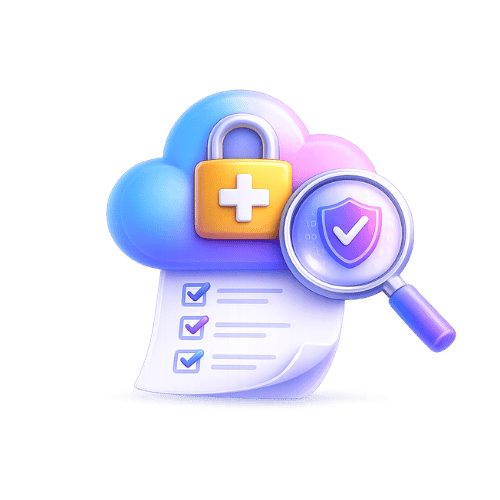
Business Impact of Cloud Security Management
A solid cloud security framework not only protects your systems but also ensures the success of your business. First, a strong framework can increase the confidence of your clients and partners, particularly in privacy-focused sectors such as finance or health.
Second, protect yourself from sanctions for non-compliance and limit the disruption that leads to revenue losses; cloud security breaches can cost millions. Third, your innovation runway is clear–you can try out new cloud tools or AI safely without risking your business! In sum, good security gives your team more freedom to try new things, innovate, and run your operations, undistracted.
Get a Free Security Consultation Now.
Best Practices for Effective Cloud Security Management
To handle cloud security well, it’s not only a matter of applying tools; it’s about developing a proactive strategy that evolves with the threat environment. Organisations today deal with talk of risk factors stemming from misconfiguration, poor access control, and subsequent sophisticated attacks that abuse cloud environments.
As threats improve, organisations must build their strategies on that same premise, layering security over identity, data, monitoring, Cloud Security Testing, and recovery. By combining automation with strong policies, organisations are better-placed to protect critical assets and reduce the potential for costly breaches. Implementing well-established best practices builds a strong framework for enhanced security and enhances an organisation’s ability to grow sustainably over the long term.
1. Use Zero-Trust Architecture
A zero-trust model assumes nothing is trusted and nothing is trusted by default – whether inside or outside of your network. Regardless of user, device, or even location, every access request must be verified and limited to the minimum required. It is important to put constraints on access to reduce insider threats and also limit the free movement of attackers who are trying to reposition themselves. Zero-trust architecture ensures that your cloud remains secure, even if a layer of protection fails.
2. Encrypt Data at Rest and Data in Transit
Encryption keeps data safe while stored in the cloud and while in transit, moving between systems. When using trusted and robust encryption, it limits the possibility of readability for sensitive business and customer information, even when attackers have access to the data, as they typically need keys to provide legibility. Organisations should also regularly rotate encryption keys and implement industry-specific key management systems. Encryption is your best defence for sensitive business and customer data.
3. Implement CSPM and Automation Programs
CSPM programs automatically assist with identifying misconfigured settings, verifying compliance, and applying operational, best-practice enforcement. Since cloud configurations are ever-changing and evolving, automation is a crucial capability to keep up with change and visibility. Automation equals less manual work, quicker remediation, and the consistent enforcement of security measures throughout the organisation and line of business.
4. Implement Multi-Factor Authentication (MFA)
A mere password is no longer the way to protect cloud accounts. MFA adds another step, such as sending a code to a device or an authenticator app, to make it harder for hackers to gain entry. Even if an attacker has your credentials, MFA provides you with another layer of defence. This one little thing makes it infinitely more difficult for someone to break into your account.
5. Keep Backups and Have Disaster Recovery Plans
It doesn’t matter how good your defences are, stuff happens. Backups and a good disaster recovery plan will save you. Best practices dictate that you should encrypt your backups and keep them in a safe off-site location. But running a recovery drill ensures that your business can bounce back its systems, restart business, and begin to serve customers.
6. Automate Patch Management and Regular Updates
Unpatched software is the top entry point for malicious actors. You will eliminate or, at the very least, reduce the repetition associated with patch management, allowing you to patch vulnerabilities faster and without requiring a manual update. Frequent updates from your operating system, apps, or cloud security tools can patch security holes, thereby maximising your chances of proving that an exploit is, in fact, not possible.
Conclusion
In 2025, cloud security management has become a necessity due to the increasing cloud spend, which has, in turn, heightened the threats and made them more complex. Organisations have to hire experts and use the best tools possible to protect data, remain compliant, and maintain operational agility. These actions will help them secure their business operations, create trust, encourage innovation, and build resilience.

FAQ’s
1. What is cloud security management?
Cloud security management is a process of protecting the cloud data, applications, and infrastructure. It involves processes like:
- Access control
- Encryption
- Monitoring
- Compliance
The idea behind cloud security management is to protect sensitive information and secure cloud operations.
2. Why is cloud security management important for businesses?
Cloud security management is essential for both big and small businesses as it protects data from cybercriminal activity, decreases downtime, and assists with regulatory compliance. With cloud security management, companies can get visibility and assurance, which can help them build trust with customers.
3. What are the main components of cloud security management?
The main components are identity and access management, encryption, threat detection, compliance management, and disaster recovery. These together help provide overlapping layers of defence. Each area plays a small part in keeping data using cloud technology secure and maintaining the operations of the user cloud portal.
4. How does cloud security management work?
Cloud security management operates at a basic level, utilising a combination of automated tools, security frameworks, and policies to mitigate the level of risk encountered. Cloud providers handle securing the infrastructure, while businesses are responsible for securing their data through their access management processes. Automated continuous monitoring and standard operating procedures, combined with routine audits and a willingness to utilize available automation, allow institutions to mitigate the effects of small threats.
5. What are common challenges in cloud security management?
The most common challenges include:
- Misconfigurations
- Insider threats
- Lack of skilled personnel
Getting rid of these challenges may require careful planning, automation, and continuous employee education.