







Cloud Security Standards are one of those fundamental requirements that organizations must comply with to protect their digital assets in 2025. As more and more Indian companies adopt cloud-based technologies, it is essential to become familiar with the security standards in cloud computing to ensure data integrity and legal compliance. Cloud security compliance standards are more important today than ever before due to the rapid pace of digital changes affecting the industry. Cloud computing requires robust security standards to protect sensitive business data and safeguard against cyber threats, ensuring business continuity.
India is experiencing rapid growth in the cloud computing landscape. Organizations are transferring sensitive workloads to the cloud but are confronted with challenging aspects of security issues. This is an exhaustive guide to the top 10 cloud security standards that businesses operating in India should have in place to ensure the security of their clouds.
What Are Cloud Security Standards and Why Do Indian Organizations Need Them?
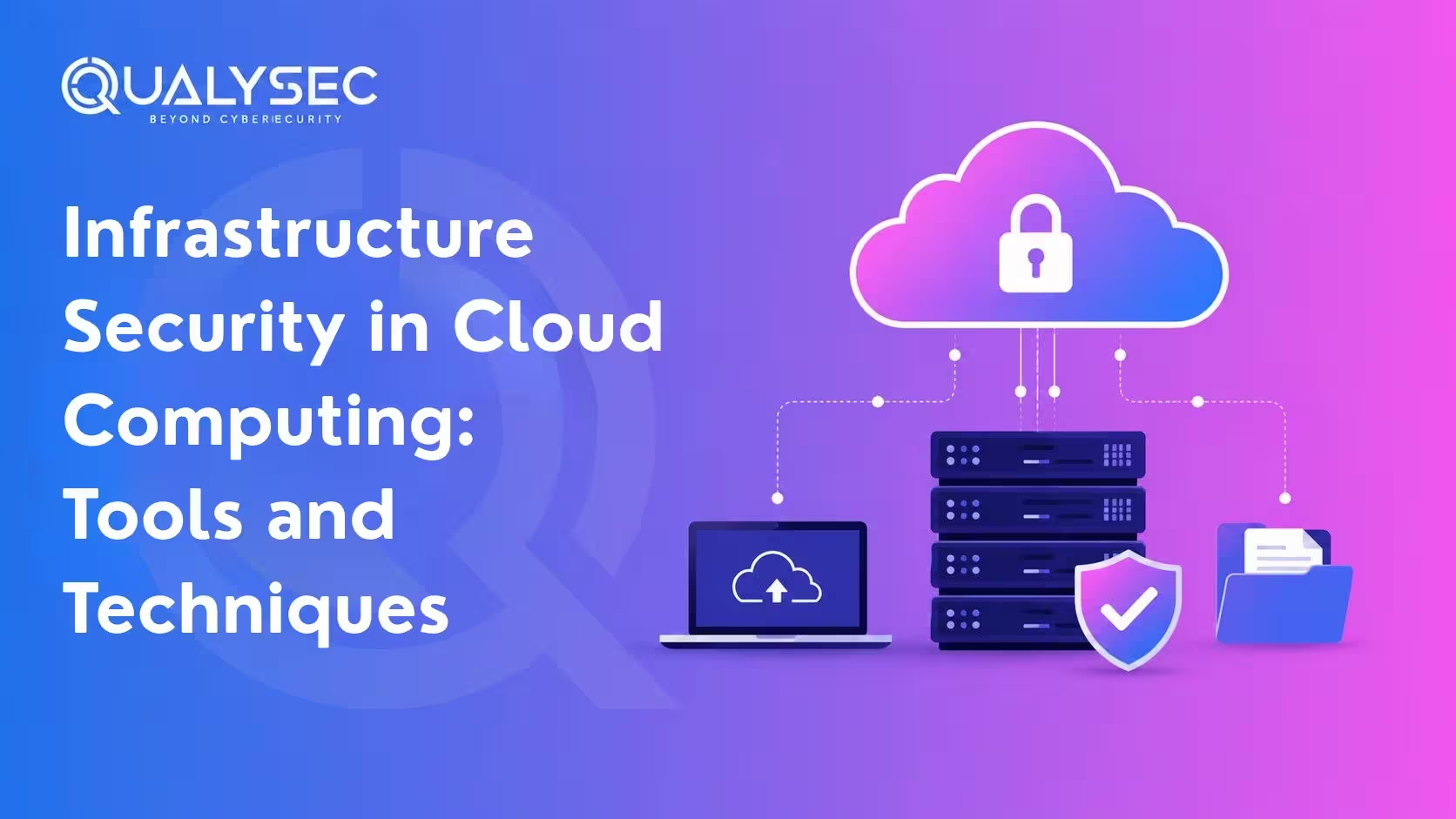
Cloud Security Standards, as the name suggests, are industry-wide guidelines and best practices. These standards introduce a systematic approach to securing cloud-based data, applications, and ensuring Infrastructure Security in Cloud Computing. These standards are advantageous to Indian organizations, mainly because they help navigate the regulatory environment without compromising competitive advantages.
Security standards in cloud computing should therefore not be underestimated in an era of threats. The standards can be helpful in various ways to the Indian business:
- Regulatory Compliance: Compliance with codes such as the IT Act 2000 and impending data protection codes.
- Risk Management: Minimizing security gaps and losses of money
- Customer Trust: Establishing trust with clients and stakeholders.
- Operational Excellence: Minimization of security processes and procedures
- Competitive Advantage: Showing dedication to data protection.
- Cost Optimization: Avoiding costly security violations and outages
Discover how cloud security testing helps you to stay protected againt evolving online threats.
Which Are the Top 10 Cloud Security Standards Every Indian Business Should Implement?
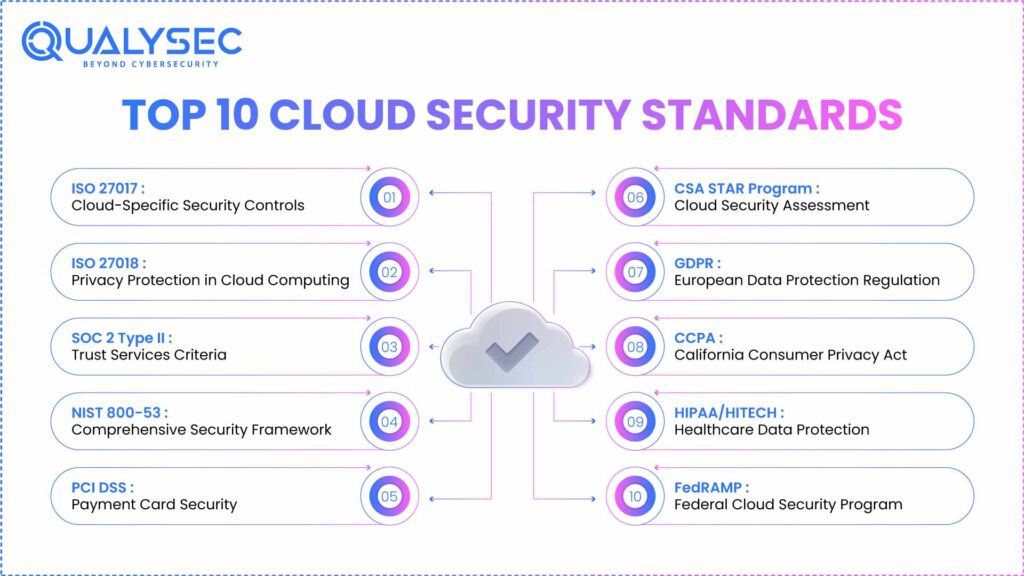
Understanding the most effective Cloud Security Standards helps Indian organizations make informed decisions about their security posture. Here are the top 10 standards that provide comprehensive protection:
1. ISO 27017 – Cloud-Specific Security Controls
ISO 27017 extends the traditional management of information security in the cloud computing environment. This standard provides specific guidance to both cloud service providers and their customers. Indian organizations benefit from its comprehensive approach to cloud security governance.
- Best for: Indian SaaS, ed-tech, and fintech firms.
- Main benefits:
- Shows global clients you handle data right.
- Addresses cloud-specific security risks
- Provides clear roles and responsibilities
- Enhances vendor management processes
- Supports compliance with Indian regulations
- Quick start: Map your 37 cloud controls, close gaps with an Indian auditor, and get certified in 90 days.
Recommeded – Top 20 Cloud Security Provider Companies for 2025
2. ISO 27018 – Privacy Protection in Cloud Computing
As India’s first international standard for personal data protection in cloud computing, ISO 27018 aligns with privacy principles and helps organizations protect Personally Identifiable Information (PII) and ensure cloud data security. It covers names, email addresses, Aadhaar numbers, and even IP addresses.
- Best for: Health apps, e-wallets, HR platforms.
- Main benefits:
- Keeps you safe under India’s new privacy bill.
- Data minimization principles
- Consent management processes
- Breach notification procedures
- Cross-border data transfer controls
- Quick start: List every place you store PII, add strong encryption, and book a free gap check with Qualysec.
3. SOC 2 Type II – Trust Services Criteria
SOC 2 Type II reports provide details on the security, availability, processing integrity, confidentiality, and privacy controls. Indian service providers, in particular, value this standard for international business opportunities.
- Best for: B2B platforms seeking Series A funding.
- Main benefit: Indian VCs and US clients ask for it.
- Quick start: Pick the Security category first, collect 3–12 months of logs, and hire an Indian CPA firm partnered with Qualysec.
4. NIST 800-53 – Comprehensive Security Framework
The National Institute of Standards and Technology framework offers extensive security and privacy controls. Many Indian government organizations and enterprises adopt NIST guidelines for implementing robust security. NIST 800-53 provides more than 1,000 controls across 20 families, including access control, incident response, and encryption. It was designed for the US government but is suitable for any firm.
- Best suited for: Indian gov-tech, defense start-ups, and critical infrastructure.
- Main benefit: Meets both CERT-In and US defence needs.
- Quick start: Choose the moderate baseline (318 controls), use Qualysec’s free NIST gap tool, and build a 12-month roadmap.
5. PCI DSS – Payment Card Security
PCI DSS compliance is mandatory for Indian businesses that deal with credit card transactions. This standard also provides secure processing, storage, and transmission of cardholder data in cloud environments. The PCI DSS outlines 12 straightforward rules that firms must follow when storing, processing, or transmitting card data. It is now compulsory for every Indian payment gateway.
- Best for: E-commerce, food delivery, travel booking apps.
- Main benefit: Avoids ₹1 crore monthly fines and keeps customers safe.
- Quick Start: Segment your card network, run quarterly scans, and complete the correct SAQ form.
6. CSA STAR Program – Cloud Security Assessment
The Cloud Security Alliance’s Security, Trust & Assurance Registry provides transparency and standardized security assessments for cloud service providers serving the Indian market. CSA STAR is a three-level badge from the Cloud Security Alliance. You fill out a form called CAIQ and upload proof to a public registry.
- Best for: Indian cloud vendors and MSPs.
- Main benefit: Big buyers, such as TCS and Infosys, prefer STAR-listed vendors.
- Quick start: Download CAIQ Lite, answer honestly, upload screenshots, renew every year.
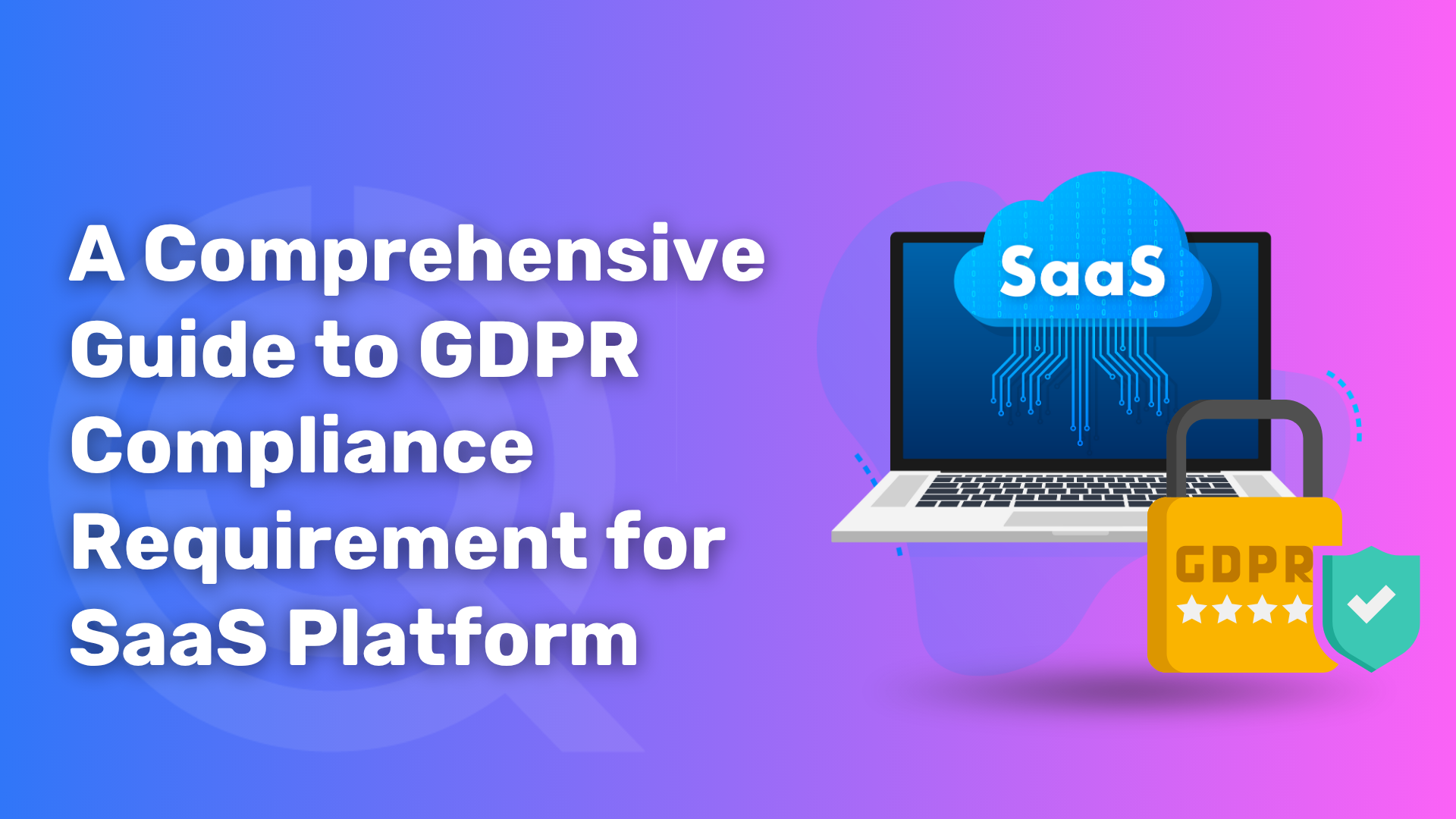
7. GDPR – European Data Protection Regulation
Indian companies serving European customers must comply with GDPR requirements. This regulation has a significant impact on cloud security compliance standards for data processing and storage. GDPR is a strict privacy law that applies to every EU resident. If even one EU user signs up on your Indian app, GDPR applies.
- Best for: Indian SaaS firms with EU clients.
- Main benefit: Avoids fines of up to 4% of global revenue.
- Quick start: Add cookie banners, appoint a DPO, run a yearly DPIA.
8. CCPA – California Consumer Privacy Act
Similar to the GDPR, the CCPA affects Indian organizations that process personal information of California residents through cloud services. The CCPA grants California users rights over their personal data. It works like GDPR but is simpler.
- Best for: Indian firms with US users.
- Main benefit: Builds trust with US clients and partners.
- Quick start: Add a “Do Not Sell My Data” link, maintain records of sold data, and train staff.
9. HIPAA/HITECH – Healthcare Data Protection
Indian healthcare organizations and their cloud service providers must understand HIPAA requirements when handling protected health information. HIPAA and HITECH protect health data in the US. Indian tele-health apps that serve US hospitals must comply.
- Best suited for: Indian telemedicine, remote diagnostics, and health AI.
- Main benefit: Opens doors to US hospital contracts.
- Quick start: Sign a BAA with your cloud host, encrypt PHI, and train staff twice a year.
10. FedRAMP – Federal Cloud Security Program
While primarily intended for U.S. federal agencies, FedRAMP standards represent the gold standard in cloud computing security that Indian organizations can adopt for enhanced security. FedRAMP is the single US-wide standard for selling cloud services to the US government. You need an ATO (Authority to Operate).
- Best suited for: Indian SaaS firms seeking to pursue US federal contracts.
- Main benefit: Unlocks large, long-term US deals.
- Quick start: Select a 3PAO, run complete tests, address high issues, and submit packages.
Refer to What Is FedRAMP Penetration Testing? A Complete Guide
How Can Indian Organizations Effectively Implement These Cloud Security Standards?
The application of Cloud Security Standards should be tailored to suit the business environment of India. Organisations must factor in local laws and regulations, culture, and technology when formulating their cloud application security measures.
Implementation Strategy:
- Assessment Phase: Determine the security state of entities in reference to the chosen standards.
- Gap Analysis: Identify areas requiring improvement or additional controls
- Roadmap Development: Develop phased implementation roadmaps that include timelines.
- Resource Allocation: Dedicated teams and budget to do standard implementation.
- Training Programs: Educate staff on new security requirements and processes.
- Continuous Monitoring: Establish continual compliance structures of monitoring and reporting.
Indian organizations should focus on standards tailored to their industry vertical, customer base, and regulatory compliance. Healthcare organizations could be concerned with HIPAA compliance, whereas fintech organizations could be interested in PCI DSS and new RBI requirements.
| Standard | Industry Focus | Implementation Timeline | Compliance Cost |
| ISO 27017 | All Industries | 6-12 months | Medium |
| ISO 27018 | Data Processing | 4-8 months | Medium |
| SOC 2 Type II | Service Providers | 6-12 months | High |
| PCI DSS | Financial Services | 3-6 months | High |
| NIST 800-53 | Government/Enterprise | 12-18 months | High |
| CSA STAR | Cloud Providers | 3-6 months | Low |
| GDPR | EU Data Processing | 6-12 months | High |
| CCPA | US Data Processing | 4-8 months | Medium |
| HIPAA | Healthcare | 6-9 months | Medium |
| FedRAMP | Government Contractors | 12-24 months | Very High |






















































0 Comments