








The term IoT security refers to protecting internet-connected devices from unauthorized access and cyber threats. With the proliferation of IoT devices across industries such as smart homes, healthcare, and manufacturing, ensuring their security has become paramount. This encompasses mitigating risks like data breaches, cyberattacks, and network vulnerabilities. An experienced IoT security company popular in identifying vulnerabilities, implementing protective measures, and ensuring end-to-end device and network security.
In 2026, the global IoT security market is projected to reach $14.86 billion, reflecting the escalating demand for robust security solutions. Notably, the average cost of a data breach in the U.S. stands at $10.22 million, underscoring the financial impact of security lapses. Furthermore, the number of IoT-connected devices is on track to surpass 22 billion by the end of 2026, amplifying the potential attack surface for cyber threats.
Leading IoT security companies play a crucial role in providing comprehensive services and solutions to protect IoT networks. They employ various security testing methods and tools to detect and address vulnerabilities, assisting organizations in maintaining the integrity of their IoT devices. For instance, Italian startup Exein has partnered with Taiwan’s MediaTek to integrate cybersecurity systems into MediaTek’s Genio platform, enhancing the security of billions of chips used globally across various industries.
Additionally, private equity firm Triton has acquired Bosch’s security and communications technology product business, which has been rebranded as Keenfinity Group. This business includes units specializing in video surveillance, access and intrusion detection, and communication technologies. This acquisition, involving over 1 billion euros in sales and 4,300 employees, was officially completed in mid-2025.
These developments highlight the dynamic nature of the IoT security landscape, emphasizing the importance of continuous advancements and collaborations to address evolving cyber threats effectively.
What is IOT security?
IoT (Internet of Things) security focuses on preventing unauthorized access to internet-connected devices and networks, protecting against data breaches, cyberattacks, and other security challenges. As the adoption of IoT devices grows across sectors like smart homes, healthcare, manufacturing, and transportation, securing these connected systems becomes increasingly critical.
The surge in IoT device usage has heightened the demand for IoT security vendors offering solutions to safeguard networks and devices from evolving threats. For example, Microsoft Defender for IoT provides comprehensive security for IoT and operational technology environments, leveraging Microsoft’s vast threat intelligence network to offer up-to-date protection against known and unknown threats.
Top IOT Security Companies in 2026
Listed below are the top IOT cybersecurity companies to prevent several kinds of cyber-attacks. The comprehensive list helps the organization to choose their security efficiently.
- Qualysec
- Rapid7
- Palo Alto Networks
- SonicWall
- Entrust
- Fortinet
- Forescout Technologies Inc.
- Cisco
- Auth0
- Broadcom
1. Qualysec
Qualysec Technologies remains a leader in IoT security and penetration testing, helping businesses identify vulnerabilities before hackers exploit them. Their approach combines automated scans with manual testing, ensuring thorough protection beyond standard security checks.
What’s New in 2026?
- Expanded AI-driven threat detection to predict zero-day vulnerabilities.
- Enhanced IoT device testing for smart home, healthcare, and industrial systems.
- Compliance with updated GDPR and NIST 2026 guidelines.
Services:
- Web, Mobile & API Penetration Testing
- Cloud & IoT Security Assessments
- AI/ML System Security Testing
Why Choose Them?
Qualysec’s hybrid testing model (automated + manual) ensures no loopholes are missed. Their experts tailor solutions for industries like fintech, healthcare, and critical infrastructure.
Do you wish to protect your IoT devices from hackers? Schedule a free consultation call with Expert Security Consultants and get the guidance.

2. Rapid7
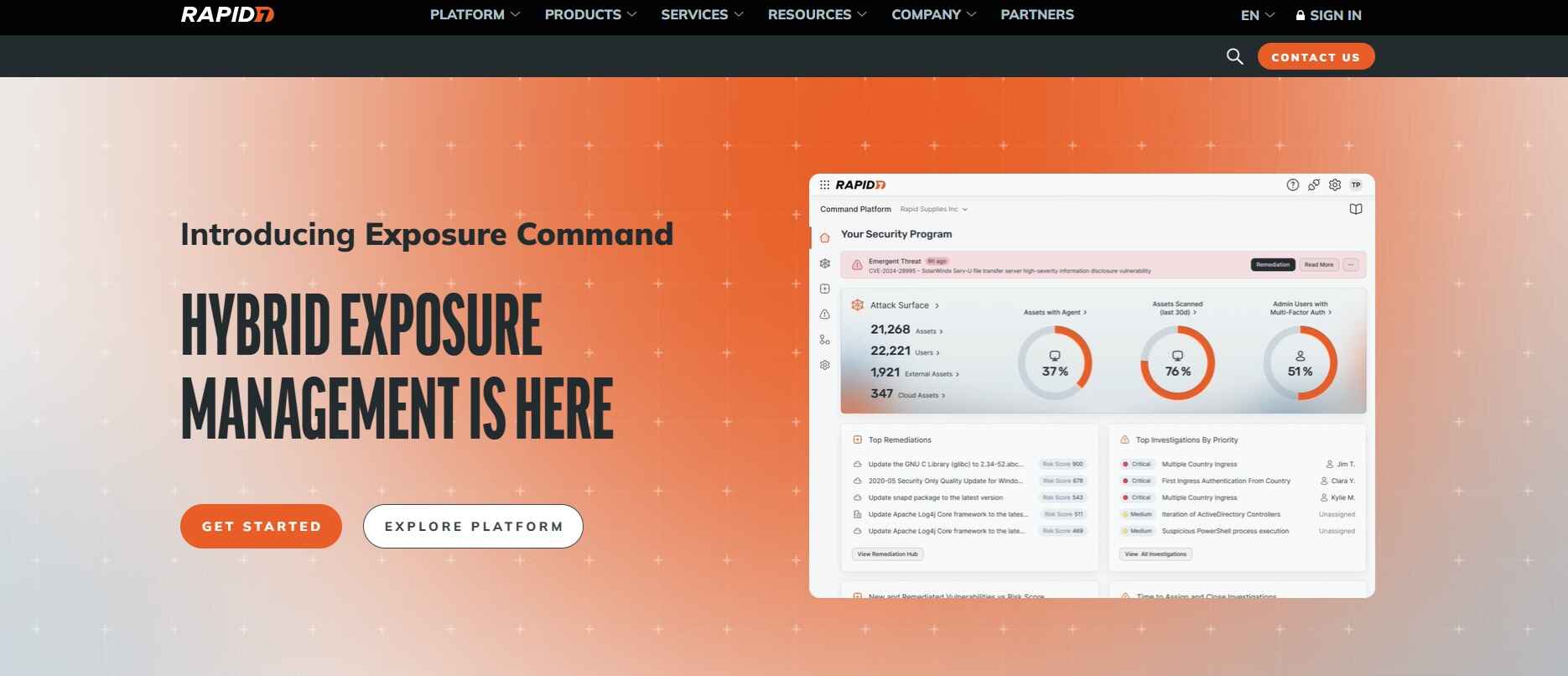
Rapid7’s cloud-based platform helps businesses detect and mitigate IoT risks. Their testing covers the entire IoT ecosystem—devices, networks, and physical security.
2026 Updates:
- AI-powered risk prioritization to focus on critical threats first.
- New OT/IoT threat intelligence feeds for real-time monitoring.
3. Palo Alto Networks

A giant in cybersecurity, Palo Alto offers IoT, IoMT (medical IoT), and OT security with features like:
- Network segmentation to isolate compromised devices.
- Automated vulnerability management for large-scale deployments.
2026 Upgrades:
- Behavioral analytics to detect unusual device activity.
- Zero-trust integration for industrial IoT.
4. SonicWall

SonicWall defends against ransomware, malware, and IoT-based attacks. Their real-time threat intelligence helps businesses stay ahead.
Latest in 2026:
- Deep learning-enhanced firewall for IoT traffic.
- Email/cloud-IoT threat correlation to stop cross-platform attacks.
5. Entrust
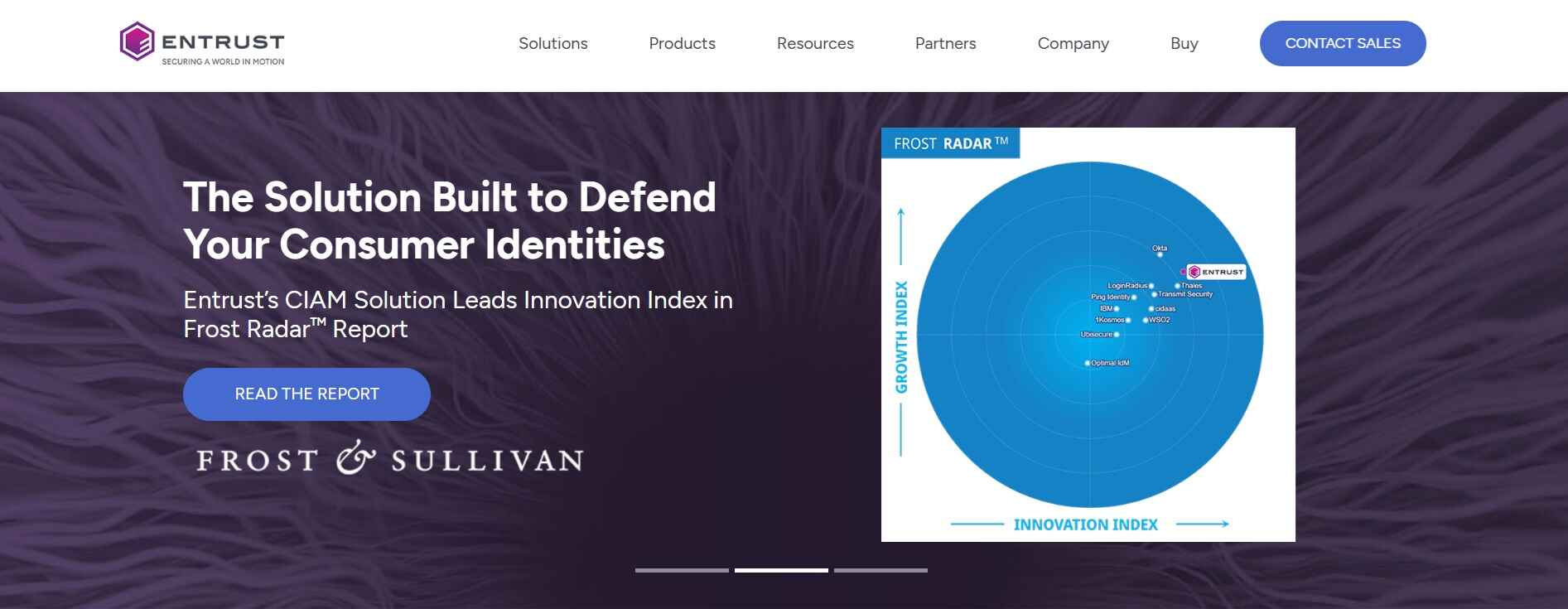
Entrust secures IoT devices through digital identity management, ensuring only authorized devices connect.
2026 Improvements:
- Post-quantum cryptography for future-proof security.
- Automated certificate issuance for scalable IoT deployments.
6. Fortinet

Fortinet’s Security Fabric provides end-to-end IoT protection, automating threat responses.
New for 2026:
- 5G-IoT security integration for telecom providers.
- Unified dashboard for cloud, edge, and device monitoring.
7. Forescout Technologies Inc.

Forescout offers agentless device monitoring, ideal for healthcare and industrial IoT.
Recent Wins:
- 2026 IoT Breakthrough Award for enterprise security.
- AI-driven device fingerprinting to detect spoofed devices.
8. Cisco

Cisco specializes in industrial IoT security, protecting sectors like energy and manufacturing.
2026 Focus:
- Converged IT/OT threat detection.
- Predictive maintenance security to prevent sabotage.
9. Auth0
Auth0 provides secure authentication for IoT apps, including:
- Multi-factor authentication (MFA).
- Biometric logins for smart devices.
2026 Upgrades:
- Passwordless authentication for wearables and smart home systems.
10. Broadcom

Broadcom’s semiconductor and software solutions power secure IoT infrastructure.
2026 Highlights:
- Hardware-based encryption for edge devices.
- Supply chain security for IoT manufacturers.
Monitor Threats with Our Advanced Vulnerability Dashboard.
Types of IoT security testing
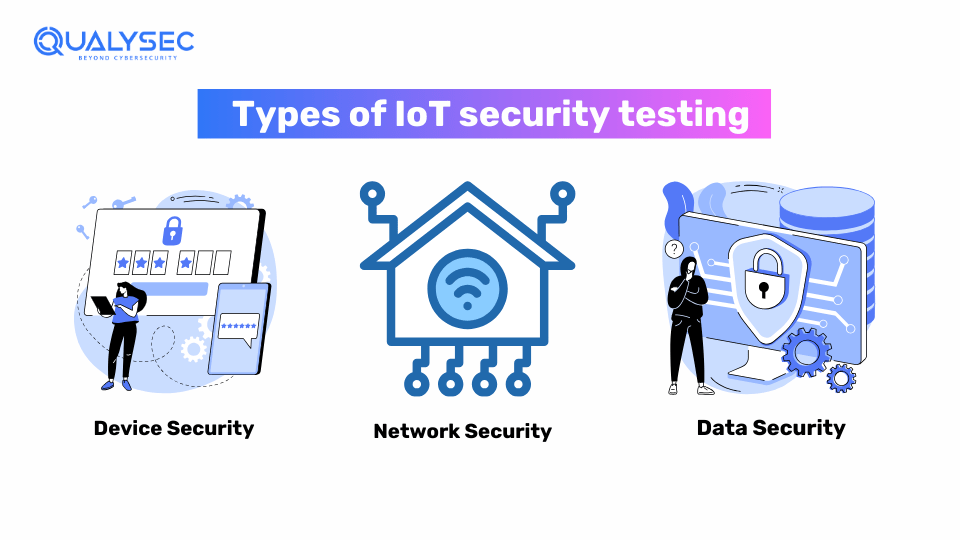
Securing IoT devices requires a multifaceted approach, involving various types of security testing to address potential vulnerabilities. Below are key testing methodologies, incorporating both established practices and the latest advancements as of 2026:
1. Device Security Testing
This involves safeguarding individual IoT devices against unauthorized access. Traditional measures include enforcing strong password policies, regular firmware updates, and implementing biometric authentication. In 2026, the emphasis has expanded to include:
- Firmware Security Analysis: Evaluating the device’s firmware to detect vulnerabilities such as buffer overflows and insecure configurations. Automated tools now facilitate comprehensive security assessments of firmware integrity.
- Embedded Hardware Testing: Examining physical components and embedded systems to identify flaws that could lead to unauthorized control or data breaches. Techniques like side-channel analysis and fault injection are employed to ensure hardware resilience.
2. Network Security Testing
This focuses on protecting the communication channels between IoT devices and networks to prevent intrusions or attacks. Traditional practices involve using firewalls, encryption protocols, and intrusion detection systems. Recent advancements include:
- IoT Network Testing: Analyzing data transmission security and encryption protocols to guard against threats like Denial of Service (DoS) attacks. Methods such as network scanning, penetration testing, and traffic analysis are employed to identify vulnerabilities.
- Blockchain-Based Security Solutions: Utilizing blockchain technology to authenticate devices and establish trust within IoT systems, ensuring data integrity and reducing the risk of unauthorized access.
3. Data Security Testing
Ensuring the confidentiality and integrity of data collected and transmitted by IoT devices remains paramount. Beyond traditional encryption and access controls, current practices include:
- Application Layer Testing: Scrutinizing IoT applications for vulnerabilities such as SQL injection and cross-site scripting (XSS) to prevent data breaches. Automated tools assist in detecting and mitigating these risks.
- Security Auditing: Conducting thorough reviews of an organization’s security policies and infrastructure to ensure compliance with data protection standards and regulations.
Tools Used in IoT Security Testing Company
Security testers employ a variety of tools to identify and address vulnerabilities in IoT devices. In addition to established tools like Nmap, Metasploit, and Burp Suite, the following are widely used as of 2026:
- SQLMap: Automates the detection and exploitation of SQL injection flaws, crucial for testing IoT devices that interact with databases.
- OWASP ZAP (Zed Attack Proxy): An open-source tool for finding vulnerabilities in web applications, particularly useful for testing IoT devices with web interfaces.
- Keysight IoT Security Assessment: Provides automated cybersecurity validation for IoT devices, enabling manufacturers to perform comprehensive assessments and comply with various IoT standards.
Additionally, several IoT security testing companies have developed proprietary tools offering specialized vulnerability identification services. To ensure accuracy, they complement automated testing with thorough manual penetration testing.
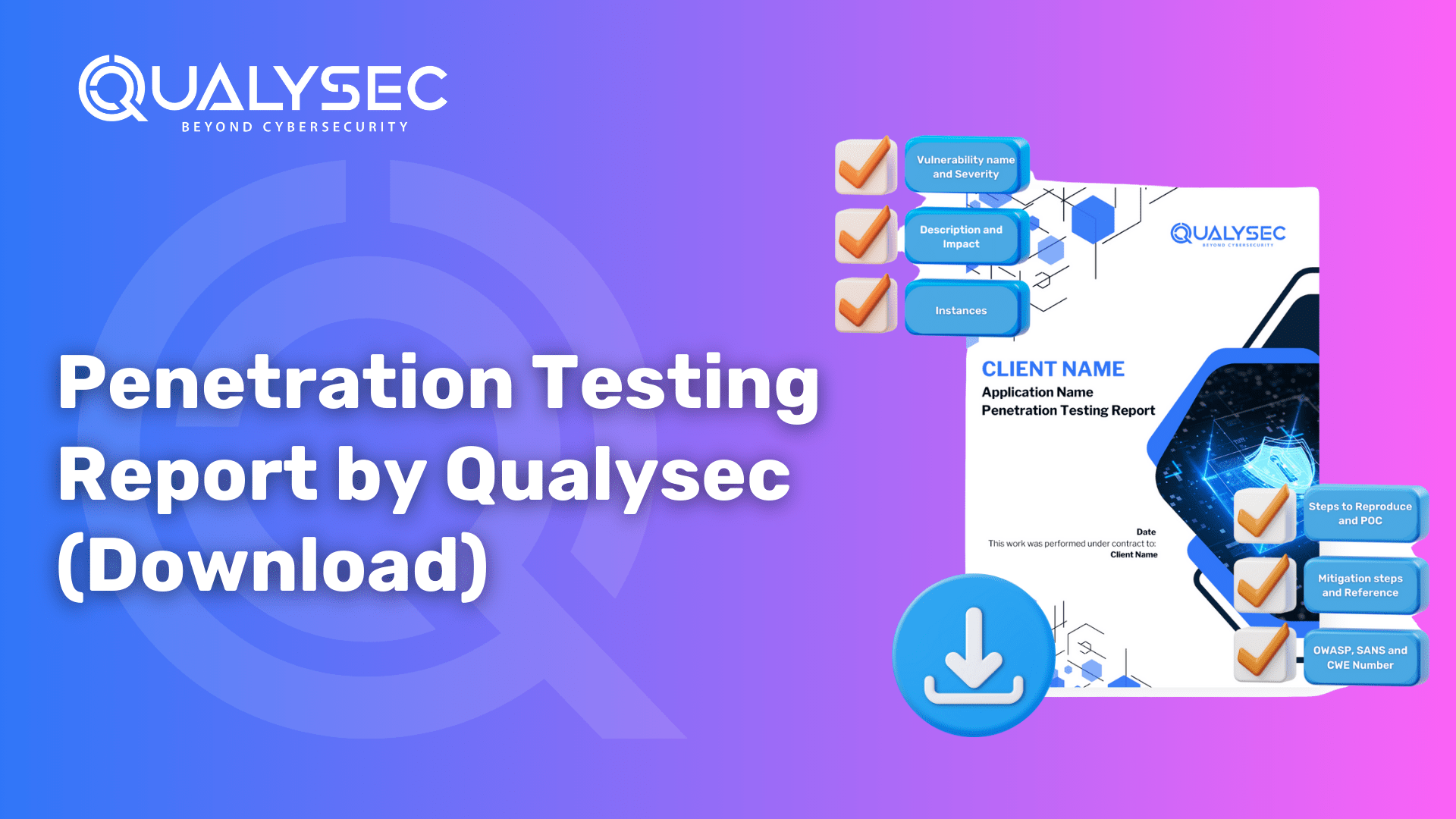
Feel free to look into the whole structure of a sample report. Click and download the sample right now!

































































































































































































































































































































0 Comments