







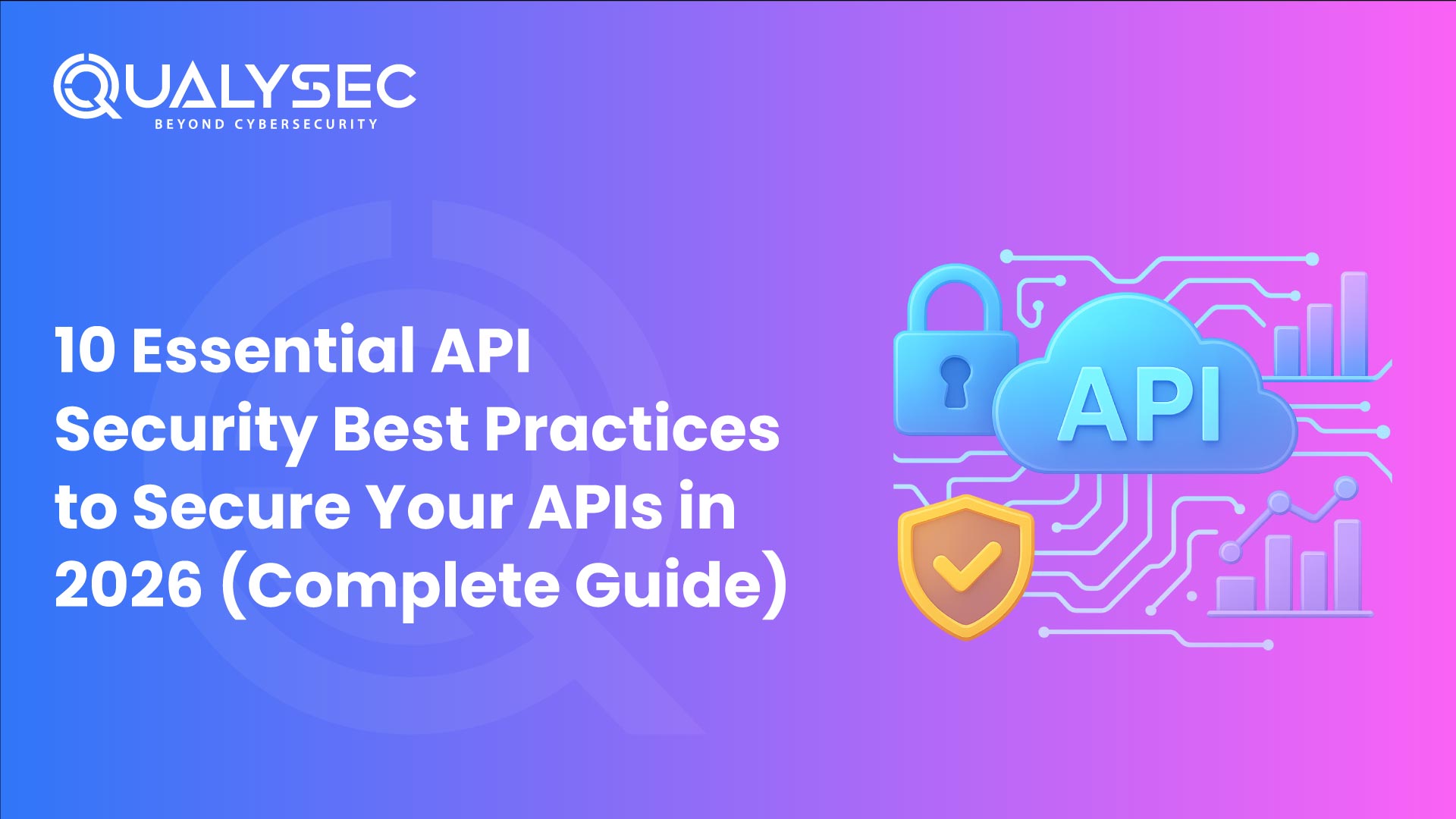
APIs (Application Programming Interfaces) are the best-kept secret of our present day. They allow applications to connect, expose services, provide integrations, and then run processes in a fast way. However, with speed and connectivity comes risk: attackers are using APIs more frequently than ever as their means of entry into systems. By 2025, the number and value of APIs have risen to such an extent that a single weak endpoint can cause major disruptions. Without a thorough API security audit, security is not an option – it is a requirement for the integrity of your digital operation.
If you don’t recognise the security, you are simply opening the door. Now let’s talk about what it means to do an API security audit and why API security services are important, what is in it for you, and how to do it well.
What Is an API Security Audit?
An API security audit is a comprehensive evaluation of your APIs—how they are built and configured, and how they interact with data and users—done in a structured way with a security lens. Similar to a security audit for a web application, this process will assure that all endpoints, integrations, and configurations are reviewed for vulnerabilities and compliance gaps.
An API audit typically includes code reviews, configuration reviews, endpoint testing, and data-flow analysis, and can identify risk scenarios such as weak authentication, exposure of data, weak authorisation, configuration issues and poor logging.
While the role of auditing is to help identify and mitigate weak links before they are exploited by attackers, there is recent research indicating that many organisations still lack full visibility into all of their APIs, making an audit increasingly important.
Partner with Qualysec to enhance API security and compliance — contact our experts now.
Why API Security Audits Matter
As organisations increase digital services, APIs take centre stage—and, at the same time, become key attack surfaces. That means checking APIs is not just a practice; it is critical. A few reasons:
1. Growing risk of breaches & attacks:
APIs handle critical data and functionality, and are often high-value targets. A report found, for example, 57% of organisations experienced at least one data breach stemming from an exploitation of an API. When an exposed API is hacked, the organisation, users, and brand all suffer.
2. Business disruption & exposure to compliance violations:
Data leaking from APIs or modified data from hijacked APIs brings regulatory fines, legal costs, business disruption, and loss of trust. An audit along with API Penetration Testing is a way to show that you have taken the necessary due diligence, are complying with relevant API security standards, and are protecting your business logic and assets.
3. Innovation without anxiety:
APIs empower organisations to innovate quickly—new services, new integrations, internal applications, etc. But if, e.g., APIs are untested or unmonitored, then the organisation runs the risk of innovating on a shaky foundation. Audits help ensure that organisations innovate, not recklessly. In fact, one study indicated that over 50% of organisations have slowed releases due to security concerns about APIs.
Key Benefits of API Security Audits
Regular API security audits have significant value. That is to say, you are not just ticking off boxes; you are building resilience, credibility, and operational stability. All of these benefits are comparable to what organisations obtain from a comprehensive web application security audit:
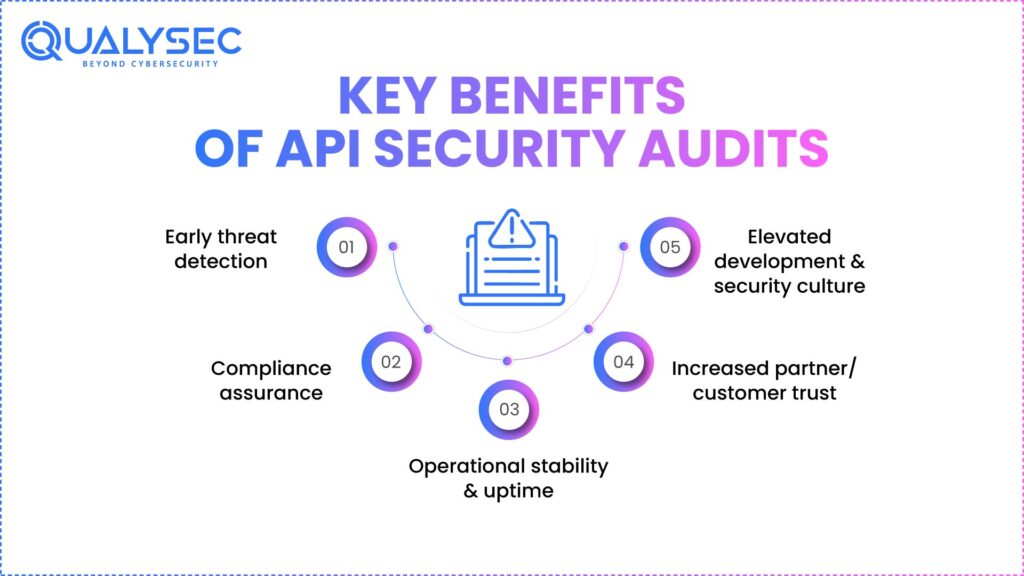
1. Early threat detection
Audits will find vulnerabilities – unprotected endpoints, an overly permissive authorisation protocol, exposed data – long before they make the breach headline. When you find vulnerabilities early, the risk, the cost, and the downtime are reduced. The sooner you detect a problem, the easier (and cheaper) it is to remediate.
2. Compliance assurance
Every industry has some requirement for security audits, or logs, access control, and data protection. If you regularly engage in API audits, you create documented proof that you are engaging in the work. This helps demonstrate your commitment to security when going through an audit, obtaining a certification, or responding to regulatory scrutiny. The alternative could result in fines or lost business.
3. Operational stability & uptime
APIs provide instrumental service delivery: mobile applications, partner integrations, and back-end workflows. Security misconfigurations or breaches can bring these services to a halt. Regularly conducting API audits by an API security services company helps assure that your APIs execute as expected, are being adequately protected, and can keep business moving forward.
4. Increased partner/customer trust
When partners or customers know you value API security—have audits, follow-up action, and write things down—they feel comfortable working with you. Trust creates more business, reduces risk, and builds a better reputation. It’s a competitive advantage.
5. Elevated development and security culture
Audits signal to the organisation that security is important. Audits help integrate good practice into development cycles and collaborate between developers, security professionals, and operations. Promoting security awareness and ultimately becoming a more security-first team over time.
Best Practices for Conducting an Effective API Security Audit
To maximise the value of your API security reviews, you should consider following these proven practices. A casual “check-once” will not be enough; you will need discipline, tools, and a strategy.
1. Take A Risk-Based Approach To Auditing
Not all APIs are equal. Some API expose public data, some are for payments or PII, and some are internal. To set priorities in auditing, consider the risk: what is the impact if this API is compromised? Start with the ones with the highest impact.
2. Leverage Both Automated Tools And Manual Review
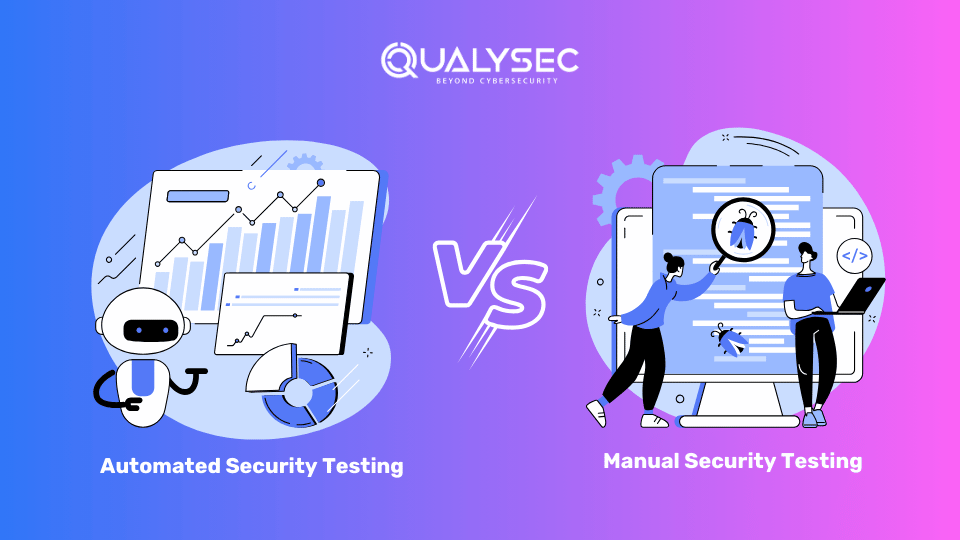
Automating (scanning, static analysis, endpoint testing) using API Security Testing Tools is a fast technique, but manual review is required to uncover some of the nuances (business logic flaws, unusual auth flows) that most machines will not catch. Together, they will provide depth and breadth.
3. Evaluate Based On Baseline Standards
Baseline standards give you a checklist of risks (e.g., Broken Object Level Authorisation, Excessive Data Exposure, Weak Authentication, etc.). Following a standard will help to ensure you do not miss a common pitfall.
4. Embed audits into your CI/CD & lifecycle
Security review isn’t only for production; you also want to integrate the security API audits early (during design, development, and deployment). This requires threat modelling, an inventory of APIs, automated scans on commits, and gating for releases on critical issues.
5. Audit With Continuity, Avoid One-And-Done
APIs continuously evolve, some new endpoints are added, and some old endpoints will be deprecated. Changes in integrations will occur as well. The audit process must happen on an ongoing basis! This means that audits should occur periodically, and you should monitor changes as well. Usage, logs, and updated features should be visible.
6. Document The Outcomes of the Audit, And Remediate with Urgency
Auditing without remediation is a waste of your time. Audit findings must be documented, someone must be accountable to remediate, remediation prioritised, and outcomes (or lack of) verified. Audit trails should also be kept. Lastly, you should always share the audit results with your stakeholders and make it part of your operational strategy.
Looking for trusted API security companies? Partner with experts to secure your APIs today.
Common Mistakes Organisations Make
Even the best teams make common mistakes when conducting API security audits. Knowing these mistakes will help you avoid similar slip-ups.
1. Thinking Of Audits As A One-and-Done
Most organisations see an audit as something they complete once and forget about. However, API environments can change quickly, so believing that a once-a-year audit is sufficient is a mistake because you cannot ignore ongoing audits. Instead, make audits an ongoing process.
2. Ignoring undocumented or “shadow” APIs
Because APIs can develop and proliferate (internal tools, legacy systems, third-party integrations, etc.), many APIs are not documented. Attackers will find them. In a report, only about 42% of organisations monitored all APIs every day. An audit must include the discovery of all operational endpoints, regardless of documentation, as outlined in any comprehensive API Security Checklist.
3. Ignoring Authorisation Or Business Logic Risks
Authentication and encryption are easy checks. However, breaches often occur due to broken authorisation (a user being able to access something they should not) or simply through business-logic flaws (an API being used in a way the developer did not intend). Don’t cut corners!
4. Taking Too Long To Fix Findings
Audit → “generate report” → place report on shelf. That creates risk. If vulnerabilities are not remediated, you have provided potential attackers with an opportunity without remediating them. You need to fix high-risk issues sooner.
5. Not Establishing Security As Part of The Development Culture
When development teams believe that audits are “security’s problem”, it continues the gap of potential compromise. Security and development need to come together. Train developers, use security design patterns, and integrate security tooling into workflows to enhance efficiency. This culture of shared responsibility is important.
Secure your APIs with OWASP Top 10 best practices
Conclusion
APIs are essential – they power services, drive innovation, and create connections between ecosystems, but they also create paths for attackers to take advantage of.
A measurable API security audit is not a luxury; it is a business imperative. When you know what an audit is, why it is important, what it will accomplish, what the best practices are, what the common mistakes are, and how often you should do it, your organisation will be in a better posture to defend against threats, develop user and partner trust, and maintain operational resiliency.
Don’t wait for an incident to get started. Start your audit today, make it cyclical, and make it part of your development culture. This will shift APIs from being vulnerability liabilities into strategic assets.
Ready to secure your APIs? Schedule a call with our experts today
Frequently Asked Questions
1. What is an API Security Audit?
An API security audit is a comprehensive assessment of all your APIs to review security vulnerabilities, misconfigurations, and data exposure. The audit makes sure that APIs are secure against cyber threats to avoid exposure by an adversary.
2. Why is API Security Audit important to business?
Regular API security audits help protect organisations from data breaches, ensure compliance, and protect customer trust. They are also critical to identifying vulnerabilities and mitigating future financial and reputational risk.
3. How often should organizations conduct an API security audit?
Most recommend a minimum of every six months, or after every major update, or API modification. Organisations that create APIs that are high-risk or publicly facing should conduct a security audit more often.
4. What is the difference between manual and automated audits?
Automated audits are a tool to identify known vulnerabilities quickly, while a manual audit examines logic, code, and configurations by an expert. The most thorough results will be achieved by using both options.
5. How does an API security audit support compliance requirements?
An API audit and API protection solutions will help your organisation to demonstrate compliance with data protection and privacy requirements, such as GDPR, HIPAA, and SOC 2, by providing an official record of your organization’s security controls that will satisfy the compliance process.
6. Can an API security audit identify zero-day vulnerabilities?
The audit may uncover previously unknown risks and weaknesses; however, real zero-day vulnerabilities are often only recognized after a newly identified threat is public knowledge. Of course, good auditing will reduce the opportunities for any zero-day weaknesses to be exploited.













































































0 Comments