





Verified by
★★★★★
"Our experience with Qualysec was very positive. They offer excellent service, communicated clearly with us throughout the process, and were accommodating regarding our timelines."

Mike Perry
Cisco

Combining human expertise with advanced AI to uncover real-world risks and strengthen your security posture.
Talk To An Expert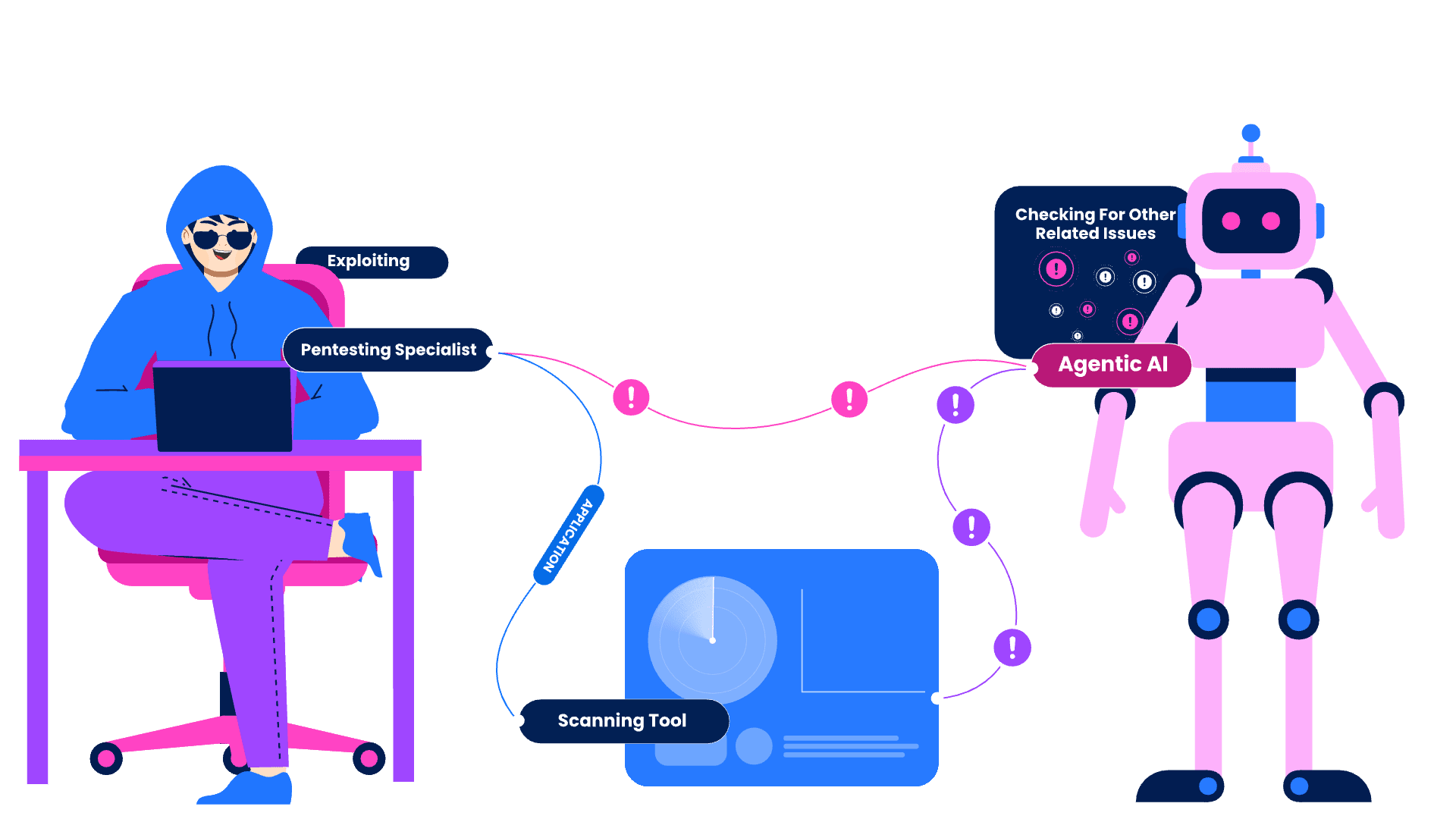
















Securing legacy apps to AI agents by testing every path that real attackers would try to exploit.

Discover Flexible Pricing Packages For Your Next Security Audit.
Our blend of human expertise, automated tools and agentic AI ensures deep, active better security testing.
From silicon valley startups to global enterprises, we’ve extended our world-class expertise across every continent securing the future.
Years In Business
Countries Served Worldwide
Clients Secured Worldwide
Penetration Reports Delivered

"Don't compromise between depth and speed. Own both. Connect with Swagat, Your trusted penetration testing advisor."

Head Of Business Development
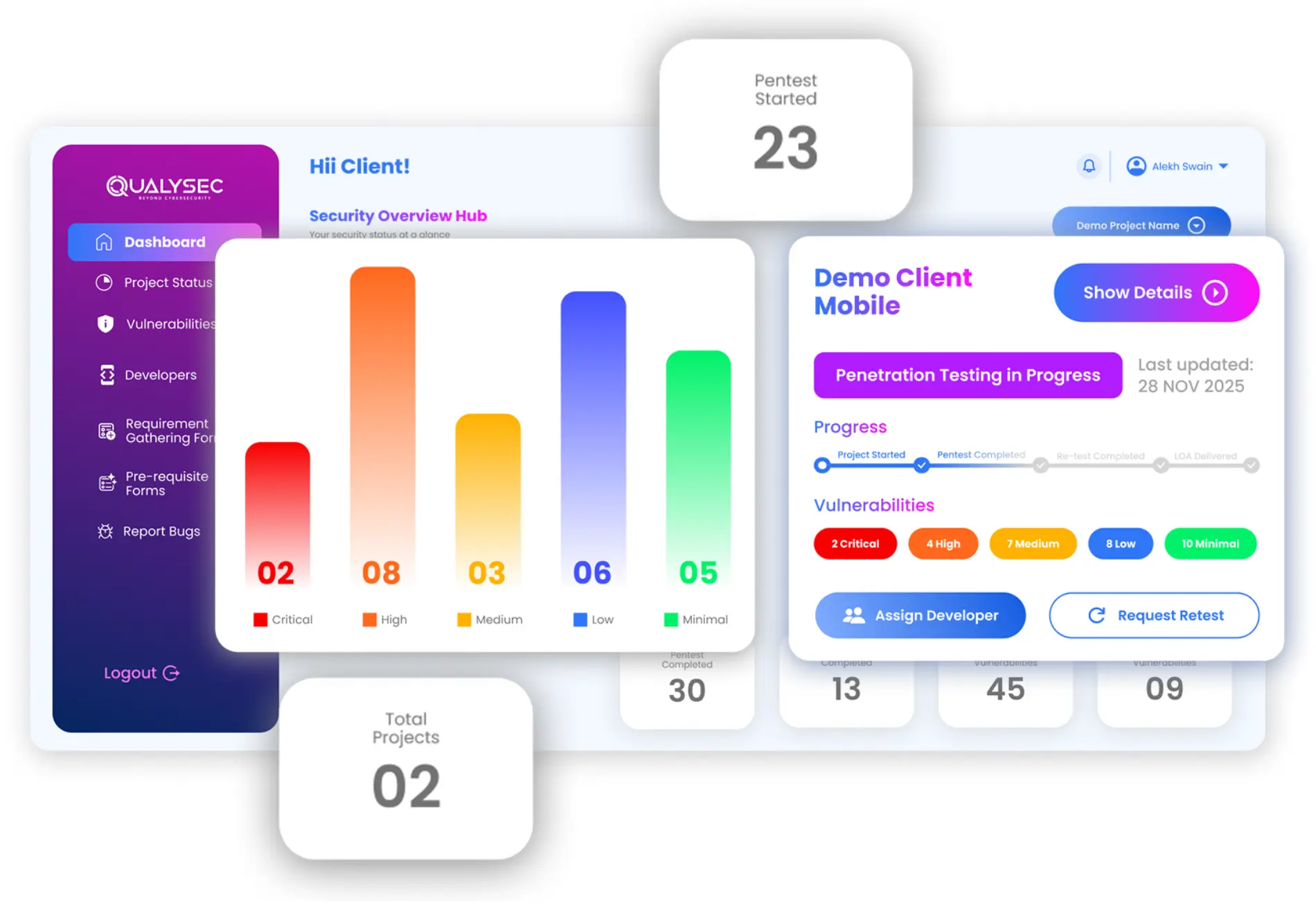
You can track vulnerabilities, assign fixes, run retests, and have clear reports in seconds. You see everything. You control everything.
Our clients tell the story better than we ever could.

"Our experience with Qualysec was very positive. They offer excellent service, communicated clearly with us throughout the process, and were accommodating regarding our timelines."
Mike Perry
Cisco
"Thoroughness of testing, quick response time, and the team's availability to brainstorm any queries made the entire engagement as smooth as possible."

Jazel Oommen Verma
Founder

"The team was highly professional and consistently met all deadlines. They went above and beyond by expanding the scope to address unexpected issues."
Chad Galgay
CISO

"Qualysec delivered a seamless experience with excellent project management and clear communication. The team was responsive and met deadlines."

Billy Sadhu Sharma Kumar
Head - V&V Engineering

"The team delivered clear, concise reports, categorized by severity levels of vulnerabilities. Each report included detailed technical insights."

Mithul Pansuriya
Group IT Manager

"Qualysec did a great job identifying vulnerabilities in our web and cloud applications and gave us clear steps to fix them."

Kenny Kim
Product Manager

"Our experience with Qualysec was very positive. They offer excellent service, communicated clearly with us throughout the process, and were accommodating regarding our timelines."
Mike Perry
Cisco
"Thoroughness of testing, quick response time, and the team's availability to brainstorm any queries made the entire engagement as smooth as possible."
Jazel Oommen Verma
Founder
"The team was highly professional and consistently met all deadlines. They went above and beyond by expanding the scope to address unexpected issues."
Chad Galgay
CISO
"Qualysec delivered a seamless experience with excellent project management and clear communication. The team was responsive and met deadlines."
Billy Sadhu Sharma Kumar
Head - V&V Engineering
"The team delivered clear, concise reports, categorized by severity levels of vulnerabilities. Each report included detailed technical insights."
Mithul Pansuriya
Group IT Manager
"Qualysec did a great job identifying vulnerabilities in our web and cloud applications and gave us clear steps to fix them."
Kenny Kim
Product Manager
"Qualysec did a great job identifying vulnerabilities in our web and cloud applications and gave us clear steps to fix them."
Kenny Kim
Product Manager
"The team delivered clear, concise reports, categorized by severity levels of vulnerabilities. Each report included detailed technical insights."
Mithul Pansuriya
Group IT Manager
"Qualysec delivered a seamless experience with excellent project management and clear communication. The team was responsive and met deadlines."
Billy Sadhu Sharma Kumar
Head - V&V Engineering
"The team was highly professional and consistently met all deadlines. They went above and beyond by expanding the scope to address unexpected issues."
Chad Galgay
CISO
"Thoroughness of testing, quick response time, and the team's availability to brainstorm any queries made the entire engagement as smooth as possible."
Jazel Oommen Verma
Founder
"Our experience with Qualysec was very positive. They offer excellent service, communicated clearly with us throughout the process, and were accommodating regarding our timelines."
Mike Perry
Cisco
"Qualysec did a great job identifying vulnerabilities in our web and cloud applications and gave us clear steps to fix them."
Kenny Kim
Product Manager
"The team delivered clear, concise reports, categorized by severity levels of vulnerabilities. Each report included detailed technical insights."
Mithul Pansuriya
Group IT Manager
"Qualysec delivered a seamless experience with excellent project management and clear communication. The team was responsive and met deadlines."
Billy Sadhu Sharma Kumar
Head - V&V Engineering
"The team was highly professional and consistently met all deadlines. They went above and beyond by expanding the scope to address unexpected issues."
Chad Galgay
CISO
"Thoroughness of testing, quick response time, and the team's availability to brainstorm any queries made the entire engagement as smooth as possible."
Jazel Oommen Verma
Founder
"Our experience with Qualysec was very positive. They offer excellent service, communicated clearly with us throughout the process, and were accommodating regarding our timelines."
Mike Perry
Cisco
We meet the standards your compliance team demands.


You're not alone. These are the most common problems our clients faced - before they found Qualysec.
Including


Some of our Clients achievement
60+ Clients
Got SOC2 Compliance
30+ Clients
Got HIPAA Compliance
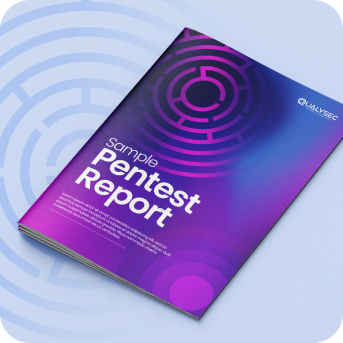
A sample report designed for engineers, not just auditors.
Download Now
If You need a Penetration test, Let’s have a Talk. Fill out this form and we will ensure you are secured and hit full compliance without any hurdles. The immediate impact you can expect:
Our sales team will reach out instantly
We skip the back-and-forth to meet your deadline perfectly
We get your testing scheduled immediately without any delay

Total No. Of Vulnerabilities

Years in Business

Assessment Completed

Trusted Clients

Countries Served