





Qualysec

BLOG

Healthcare Cybersecurity in Canada: Protecting Patient Data from Modern Cyber Threats

Pabitra Kumar Sahoo

Pabitra Kumar Sahoo

Published On: January 2, 2026

chandan

Chandan Kumar Sahoo

August 29, 2024

Healthcare Cybersecurity in Canada-Protecting Patient Data from Modern Cyber Threats
Table of Contents

The last ten years have been marked by a fast rate of digital transformation of the healthcare system in Canada. Electronic health records, telemedicine apps, hospital systems based on the cloud, connected devices in the medical setting, and third party healthcare software have been a must in providing care at scale. Though these technologies enhance efficiency and access, they also increase the cyber attack surface of the healthcare ecosystem.

Healthcare organizations are facing more and more cyber threats that are becoming more and more severe. In 2025, the Cost of a Data Breach Report of IBM ranked healthcare as the most costly sector to experience a data breach in the nation, with the average cost of a data breach in this sector of USD 10.93 million, the 14th most costly in the world.

The effects of the loss are not just financial to the Canadian healthcare providers. Cyber attacks have the potential to interfere with clinical processes, postpone therapies, divert emergency care, and affect patient safety. A system that is not available even on a temporary basis can be life-threatening and instantaneous.

Why Healthcare Data Security Is a National Priority in Canada

Cybercriminals find healthcare data especially valuable because it contains long-term personal identifiers that are difficult to change. One patient record can contain:

  • Full identity details
  • Medical history and diagnosis.
  • Billings and insurance data.
  • Prescription and treatment data.

This renders healthcare information security as a national issue and not just a technical issue. The field of healthcare cybersecurity directly impacts the trust of the population, the continuity of care, and the adherence to the law related to the healthcare field in Canada (PHIPA and PIPEDA).

This urgency is also expressed in the cybersecurity posture of Canada as a whole. The Canadian government still emphasizes healthcare as one of the most important sectors of infrastructure because of its contribution to national resiliency and the safety of the population. Healthcare cybersecurity in Canada is becoming inevitable as more people are becoming digital addicts. It is essential to the security of patient information and the continuation of healthcare.

Current Threat Landscape Facing Canadian Healthcare

The cyber threat landscape of healthcare organizations in Canada is extremely dynamic and more focused. Hospitals and clinics are not flexible enough to absorb downtime, and attackers know that they are under pressure and thus they are a good target.

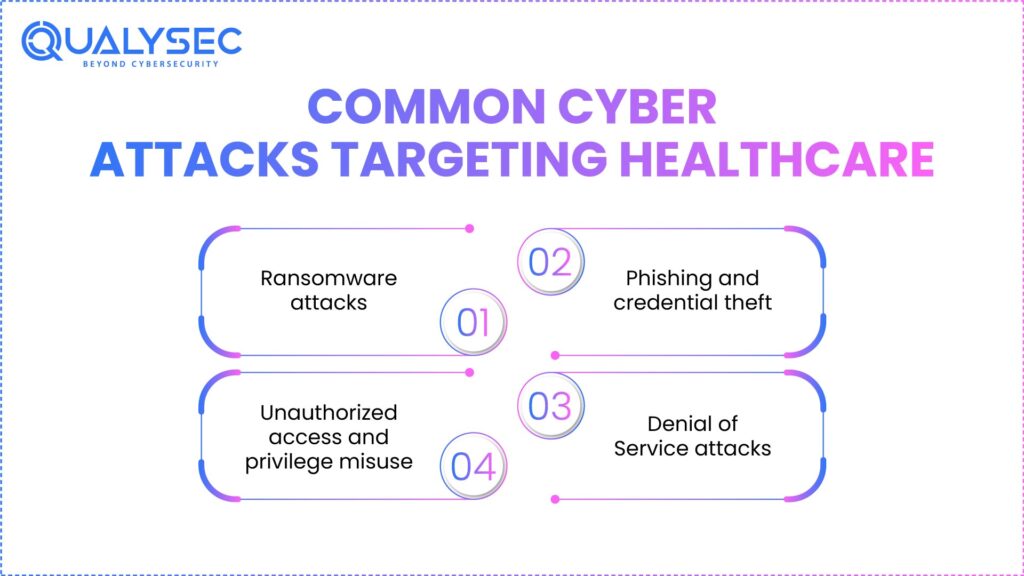
Common Cyber Attacks Targeting Healthcare
Common Cyber Attacks Targeting Healthcare


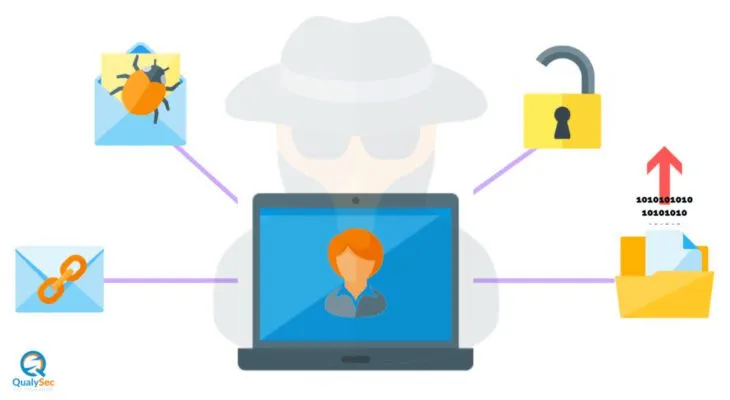
Healthcare organizations commonly face the following types of attacks:

  • Ransomware attacks: Such attacks encrypt patient records and clinical systems, giving organizations a choice of service disruption or expensive recovery efforts.
  • Phishing and credential theft: Employees are attacked by the use of fake emails, which result in stolen logins that enable the attacker to access internal systems and patient data.
  • Denial of Service attacks: Cyberattacks that paralyze the healthcare systems, such that a person cannot make an appointment, have diagnostics, or leave an emergency room.
  • Unauthorized access and privilege misuse: Attackers can use the weak access controls or breached accounts to traverse the healthcare networks.

Impact of Cyber Incidents on Healthcare Services

The Canadian Centre of Cyber Security has been repeatedly warning that data security is not the only way that cyber incidents in healthcare may affect patient care. Disruptions often result in:

  • Postponed or canceled medical services.
  • Unavailable electronic health records.
  • Fallback processes, which contribute to the risk of errors, are manual.
  • Risks in trust and reputation with the patient.

Why Healthcare Data Is a Prime Target

Attackers are still interested in healthcare data since:

  • The long-term resale value of medical records is high.
  • Health data is more difficult to identify as identity theft.
  • Routine systems in health care use old-fashioned technology.
  • Medical equipment might not contain internal security measures.

Human and Operational Costs of Breaches

In addition to the regulatory fines and cost of recovery, breaches result in ongoing strain in operation. As workloads on staff grow, the response to incidences consumes clinical resources, and patient confidence is lost. The total effect of a healthcare data breach, in most instances, goes far beyond the initial event.

Such a threat environment explains why the healthcare industry in Canada needs to be considered in cybersecurity as a matter of people, processes, technology, and third-party dependencies, as opposed to viewing security as a standalone IT activity.


Must read: Top 40 Cybersecurity Companies in Canada

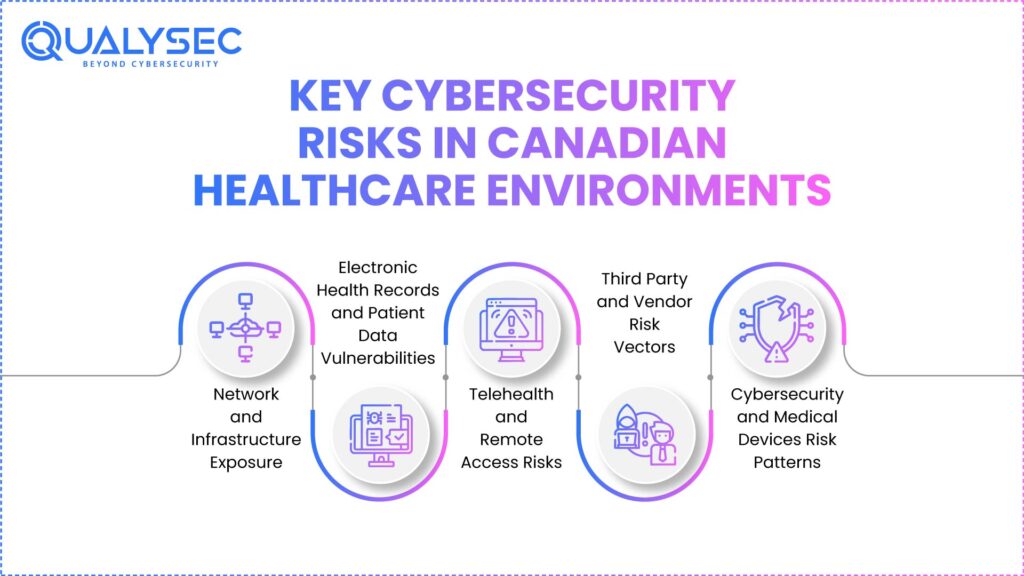
Key Cybersecurity Risks in Canadian Healthcare Environments

The Canadian health care settings are integrated with ancient systems, updated cloud solutions, interconnected machines, and various third parties. Such an array produces various chronic areas of cybersecurity risks that have a direct impact on patient data and clinical activities.
 

Key Cybersecurity Risks in Canadian Healthcare Environments

Network and Infrastructure Exposure

Hospitals, clinics, labs, and remote facilities can be a part of a healthcare network that can be large and complex. Common risk factors include:

  • Flat network structures where movement may be made lateral.
  • Unpatchable or upgradable legacy systems.
  • Inadequate separation of the network among the clinic, administration and guest systems.

These vulnerabilities can facilitate the fast propagation of attackers once they have a foothold across vital systems.

Electronic Health Records and Patient Data Vulnerabilities

EHRs have continued to be among the most vulnerable assets within a healthcare setting. Risks typically arise from:

  • The over-access to patient records by users.
  • Loose authentication policies on clinical personnel.
  • Lack of good supervision in access to sensitive health data.
  • Improperly set-up databases or cloud storage.

Such loopholes enhance the chances of unauthorized access, data leakage, or abuse by an insider.

Telehealth and Remote Access Risks

The growth of telehealth has created new vulnerabilities to attackers. Common challenges include:

  • Internet-exposed remote access systems.
  • Incongruence between home and mobile security controls.
  • Unsecure video consultation systems or integrations.

Remote care systems may be easily targeted without effective identity and access control.

Third Party and Vendor Risk Vectors

Medical institutions rely on the services of external suppliers in the field of billing, diagnostics, scheduling, and cloud services. This poses third-party risk via:

  • Vendors that have fewer security controls than the healthcare provider.
  • Sharing of patient information or internal systems.
  • Poor vendor security visibility.

One breached vendor has the potential to compromise several healthcare organizations simultaneously.

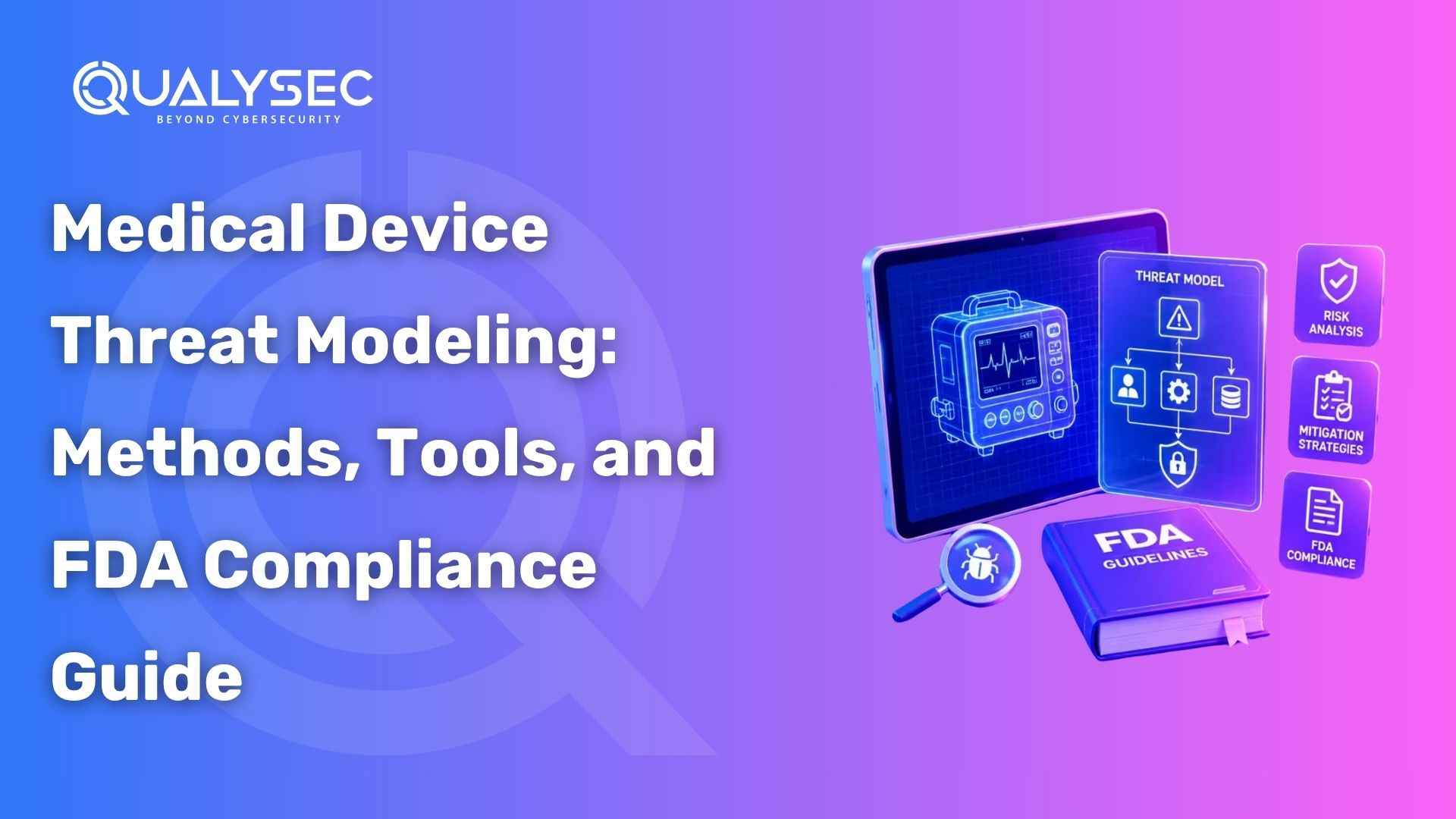
Cybersecurity and Medical Devices Risk Patterns

The Internet of Medical Things presents special risks, specifically related to connected medical devices. Often, these devices have embedded systems containing insufficient security controls.

The most frequent risk patterns are:

  • Credential hard-coded or obsolete operating systems.
  • The absence of encryption of device communications.
  • Poor capability of implementing security patches.
  • Devices that are directly linked to clinical networks.

Security studies show that attackers can use hacked medical devices as entry points into hospital networks or compromise them to disrupt patient care.


Also read: Top 7 Penetration Testing Companies in Canada 2026

 

Speak directly with Qualysec’s certified professionals to identify vulnerabilities before attackers do.

Healthcare Information Security Regulations in Canada

In Canada, privacy laws influence healthcare cybersecurity, and even adherence would not help to prevent the present threats of cyberattacks. Knowledge of the application of regulations is the key to constructing an efficient security program.

PHIPA and Its Role in Healthcare Data Protection

The Personal Health Information Protection Act regulates the collection, usage, and disclosure of personal health information in provinces like Ontario. PHIPA compels healthcare organizations to:

  • Protect personal health data against unlawful or unauthorized access.
  • Restrict entry of data according to need and role.
  • Disclose privacy breach to regulators and victims.

PHIPA defines responsibility but does not elaborate on technical security measures.

PIPEDA and Its Application to Healthcare

The Personal Information Protection and Electronic Documents Act is used when commercial activities are carried out by healthcare organizations, including:

  • Clinics and labs which are not publicly owned.
  • Patient data processing providers of health technology.
  • Data processing across provincial or international borders.

PIPEDA focuses on fair security measures but gives organizations the latitude on how the security measures are done.

Privacy Requirements for Cross Border Data Flows

There are numerous Canadian healthcare organizations utilizing the cloud services or vendors who handle information that is not in Canada. This adds the following considerations:

  • Clarity on the location of storing and processing patient data.
  • Access to sensitive information risk assessment.
  • Contractual regulations with suppliers of services.

Use of cross border data is legal, yet organizations have a role to play in safeguarding patient data.

Compliance Versus Security

The compliance with the regulatory requirements does not necessarily prevent cyber attacks. Rules are on the privacy requirements and responsibility, whereas adversaries take advantage of technical and operational flaws.

Key differences include:

  • Compliance is used to check the fulfilment of rules.
  • Security confirms the ability of systems to withstand attacks.

Healthcare organizations, which only depend on compliance, tend to be susceptible to ransomware, cyber credential abuse, and system exploits. Healthcare information security in Canada involves more than regulation checklists, but also looking at the actual attack scenarios.


Must read: Compliance Security Audit: A Comprehensive Guide

Best Practices for Healthcare Cybersecurity in Canada

Securing patient information and clinical processes needs a multi-level approach to include both technical measures and operational preparedness. The reduction of cyber risk in the case of Canadian healthcare organizations has the following practices as a sensible foundation.

Foundational Security Controls

Effective base controls lessen the chances of being attacked and contain the impact.

Key measures include:

  • Clinical systems, remote access and administrative account multi-factor authentication.
  • Separate clinical systems, administrative networks and medical devices network segmentation.
  • Encryption of data of patients at rest and in transit, both inside and outside the system.
  • Minimal access concerning electronic health records and supporting platforms.

These mechanisms can keep breaches at minimal levels and minimize the possibility of a large-scale attack on the system.

Secure Configuration of Networks, Applications, and Devices

A misconfiguration is still one of the most frequent sources of healthcare data exposure. The organizations should pay attention to:

  • Implementation of network devices, firewalls, and remote access gateways.
  • Obtaining cloud and on-prem applications, which are utilized in patient care and administration.
  • Deactivating idle services, default passwords on servers and devices.
  • Installing security updates safely and in due time.

Standardization of configuration eliminates unnecessary attack vectors throughout the environment.

Incident Response Planning and Tabletop Exercises

In healthcare, preparedness is vital, with the time taken being directly proportional to patient safety.

Effective programs include:

  • An incident response plan based on clinical operations.
  • Well-defined IT, security, legal and leadership escalation channels.
  • Regular tabletop drills that simulate ransomware, data breaches, and system downtime.
  • Liaison with the third parties, including regulators and service providers.

Response scenario practice enhances decision-making in times of pressure and reduces response time.

Long Term Resilience and Continuous Monitoring

Cybersecurity in healthcare is not a one-shot project. The resilience of the long-term needs:

  • Ongoing observation of networks, systems, and user activity.
  • Frequent evaluation of risks in accordance with technology and delivery of care.
  • The visibility of third-party and vendor security posture.
  • Continuous employee training to minimize the use of phishing and credentials.

According to research conducted in the industry, organizations that have round-the-clock monitoring are more at a position to identify and curb attacks at an earlier stage.


Learn: How to Conduct a Cybersecurity Risk Assessment.

Medical Cybersecurity and IoT Security in Healthcare Environments

Medical devices that are connected are vital in the contemporary delivery of care, yet they present rare cybersecurity issues that conventional IT controls are unable to tackle fully.

Why Medical Devices Introduce Special Risk

Medical devices typically vary in several aspects, as compared to standard IT systems:

  • Existence periods extending beyond the normal security support cycles.
  • Reduced processing power, which curtails security measures.
  • Direct access to clinical networks and patient data.
  • Limiting requirements on safety and availability that restrict downtime.

This is what contributes to the attractiveness of devices as a target and a challenging environment to keep safe.

Lifecycle Security Considerations

Successful medical cybersecurity should look at the full scope of the device lifecycle, and not only deployment.

Key stages include:

  • Security requirements for the procurement and design review.
  • Pre-connection risk assessment of devices on clinical networks.
  • Continuing to watch out for vulnerabilities and abnormal behavior.
  • Safe decommissioning and end-of-life data removal.

Response time to security minimizes long term exposure and operational interference.

Coordination With Manufacturers and Suppliers

Healthcare organizations have no control over device software, as they do not have control over internal systems. It should coordinate with manufacturers.

Best practices include:

  • Well-established agreements about the security tasks and the update schedules.
  • Frequent reporting of vulnerabilities and patches.
  • Tracking of related devices and the version of firmware
  • Teamwork in the incident response of medical technology.

The existing studies on the security of healthcare IoT highlight that there should be mutual responsibility between healthcare providers and manufacturers to minimize the risk associated with the device.


Explore: Pentesting for Medical Devices: Best Practices and Challenges

Strengthening Healthcare Cybersecurity Through People, Process, and Technology

Technology cannot be used as a solution to healthcare cybersecurity in Canada. Sustainable protection is anchored on synchronizing people, processes and technical controls in a manner that enhances patient care and does not derail patient care.

Training and Awareness for Clinical and Administrative Staff

Human factors are one of the major causes of healthcare security incidents. Continuous sensitization measures will assist in mitigating this danger without causing strain to the day-to-day activities.

Effective approaches include:

  • Clinician, IT team, and administrative member role-based cybersecurity training.
  • Periodic phishing awareness and hygiene credential training.
  • Easy directions on how to manage patient information, handheld devices, and access them remotely.
  • Easy mechanisms for reporting suspicious emails or system behavior.

When employees are made aware of the impact of cyber threats on patient safety, they will be more engaged and compliant.

Policy, Governance, and Risk Management Frameworks

Policies and governance will give uniformity in demanding healthcare settings.

Key elements include:

  • Well-defined ownership of healthcare information security roles.
  • Written guidelines on accessing and using data and contact with third parties.
  • Systems of risk management that focus on patient safety and service continuity.
  • Cohesion among cybersecurity leadership, privacy officers and clinical leadership.

Firm governance will ensure that security judgments are conducive to both regulatory imperatives and realities of operation.

Integrating Cybersecurity Into Clinical Workflows

The security controls are the most effective ones when they make sense in the care delivery process.

Practical integration focuses on:

  • Creating access controls based on clinical roles and care pathways.
  • Reducing the workflow disruption and implementing authentication and logging.
  • Balancing security changes, clinical operations and change management.
  • Security analysis of the impact of rolling out new digital health services.

The practice minimizes workarounds and enhances the use of secure practices.

Cybersecurity Risk Assessments and Penetration Testing for Healthcare

Routine testing and verification will be critical in comprehending real-world healthcare-based cyber risk.

Role of Regular Risk Assessments in Healthcare Cybersecurity

Organizations use risk assessments to identify areas with the highest exposure of patient data and clinical operations.

They typically support:

  • Recognition of vulnerable systems like electronic health records and remote access systems.
  • Fourth party and vendor-related risk evaluation.
  • Remediation priorities in terms of patient safety and service impact.
  • Correlation of security investment with real exposure to threat.

Risk assessment in healthcare needs to be updated with the changes in services, technologies, and models of care.

How Penetration Testing Helps Validate Defenses

Penetration testing is an enhanced testing method whereby the weaknesses are exposed by making realistic attacks.

In a healthcare context, it helps:

  • Determine if attackers had a chance to gain access to patient information or interfere with care delivery.
  • Authenticate the workability of network segmentation and access controls.
  • Detects paths of exploitation on applications, devices and cloud systems.
  • Give a demonstration of security controls in adversarial conditions.

This validation is essential towards transitioning assumed security to establish resilience.


Download a Sample Pen Testing Report
Penetration Testing Report

Frequency and Scope Considerations for Canadian Hospitals

No universal testing system can apply to every healthcare organization, but typical procedures are:

  • Perform penetration testing of critical systems annually/biannually.
  • Further testing following significant changes in the systems or the introduction of new services.
  • Extensive scans, which cover networks, applications, and other devices with which they are connected.
  • Audits that are unique to regulatory, privacy or insurance obligations.

In the case of Canadian hospitals, regular testing and evaluation can facilitate adherence, increase readiness, and minimize the chances of disruptive cyber attacks.


Suggested read: What is Security Threat Assessment (STA) and Why It Matters.

Cyber Insurance and Financial Risk Management in Healthcare

The issue of cyber insurance has come to play a significant role as part of financial risk management among health care organizations in Canada. Although it is not a substitute for robust cybersecurity controls, it assists organizations in absorbing the financial blow of the occurrence of incidents in spite of the preventive measures.

Role of Cyber Liability Insurance in Overall Risk Strategy

In healthcare institutions, cyber insurance helps healthcare providers to transfer the risk instead of eliminating it. It completes the technical and operational controls with the financial protection against high-impact events.

Practically, cyber insurance is useful in assisting organizations:

  • The financial exposure of ransomware and data breach incidents will be managed.
  • Recover operations more quickly following cyber attacks.
  • Deliver contractual or board-level risk management expectations.
  • Enhance general resilience planning and cybersecurity initiatives.

Insurers are starting to evaluate the security posture of an organization before the issuance or renewal of coverage, which makes insurance directly dependent on cybersecurity maturity.

What Coverage Typically Includes for Healthcare Providers

Depending on the policy, healthcare-focused cyber insurance may include:

  • Costs: Incident response and forensic investigation.
  • The legal and regulatory costs incurred with regard to investigations into privacy.
  • Credit monitoring and notification of the patient services.
  • Costs of ransomware response and extortion.
  • Business interruption costs and recovery costs.

Since health information is sensitive, the terms of coverage usually impose certain restrictions on the data protection practices, access controls, and timelines of incident reporting.

How Insurance Supports Recovery Planning

Cyber insurance is also a part of recovery as it allows access to specialized resources in case of an incident.

This support often includes:

  • Vendors of pre-approved incident response and legal counsel.
  • Monetary resources for system restoration and data recovery.
  • There were well-designed claims procedures that were consistent with crisis response efforts.

Cyber insurance, when coupled with incident response planning, can minimize downtime and curtail financial harm that can take place long term after a breach.

Future Trends in Healthcare Cybersecurity in Canada

Cybersecurity in healthcare is changing with the fast rate of digitalization in Canada. New technologies improve care delivery but also create new attack paths that organizations must counter proactively.

New Threat Vectors as Digital Health Tools Evolve

As hospitals continue to increase their digital presence and offer more services online, so do attackers.

Emerging risk areas include:

  • Greater exposure to attack due to telehealth systems and remote care.
  • Phishing and social engineering by AI on healthcare employees.
  • Misuse of APIs and integrations with the clinical systems and the third party.
  • Enlarged exposure with the help of a remote workforce and home networks.

These trends enhance the number and level of attacks.

Balancing Innovation With Security

The healthcare organizations are under pressure to be innovative without jeopardizing patient safety and privacy.

Effective balance requires:

  • Digital health programs with security examinations.
  • AI and telehealth technologies vendor risk assessment.
  • A clear sense of accountability among the clinical, IT and security teams.
  • Ongoing examination of the impact of the new tools on information security and access management.

Security is not an addition but should be developed together with innovation.

Predictive Security Practices

The future cybersecurity strategies in healthcare are becoming proactive instead of reactive.

Predictive practices are concerned with:

  • Threat intelligence fusion and constant monitoring.
  • Risk assessment by proactive means, rather than periodic.
  • Testing defenses against probable attack cases.
  • Balancing security investment with the changing threat models.

With Canadian healthcare systems still in the modernization process, institutions that embrace future-oriented security strategies will be in a position to secure patient information, ensure confidence, and continue operations in a highly aggressive threat landscape.

How Qualysec Supports Healthcare Cybersecurity in Canada

The healthcare organizations in Canada work within the strict privacy regulations and have to deal with the complicated and high-risk digital space. Qualysec assists healthcare organizations in improving their cybersecurity by helping them go beyond policy compliance and assess whether their security measures actually safeguard patient data in the event of an attack.

Risk Focused Security Assessments for Healthcare Environments

Qualysec views healthcare cybersecurity in a risk-first way. Rather than using automated scans alone, assessments are scoped around actual points of exposure in healthcare facilities and include:

  • Electronic health record systems and patient portals.
  • Telehealth systems and remote access channels.
  • Healthcare applications and APIs in the clouds.
  • Clinical and administrative internal networks.
  • Third-party systems are used in data processing or data hosting.

The strategy assists health institutions to recognize risks which directly affect patient information privacy, system stability, and sustainability.

Penetration Testing Aligned With Canadian Healthcare Requirements

Qualysec’s penetration testing services help healthcare organizations meet Canadian privacy and security requirements, including PHIPA and PIPEDA.

Testing helps validate:

  • Access controls are in place to ensure that there is no unauthorized access to patient data.
  • In case the network segmentation restricts horizontal flow in the middle of an attack.
  • The reaction of exposed systems to real-world exploitative attempts.
  • Whether, given the attack conditions, security controls are operating as expected.

These insights help in making informed risk management decisions and not checkbox-based compliance.

Supporting Medical Cybersecurity and Connected Devices

With more and more healthcare settings being based on interconnected medical equipment and IoMTs, Qualysec assists organizations in evaluating risks that standard IT security testing fails to identify.

This includes:

  • Determining unsound communication linkages among devices and systems.
  • Testing control mechanisms of access to device management interfaces.
  • Testing the exposure that is generated by legacy or embedded systems.
  • Facilitating integrated risk assessment of IT, clinical, and vendor.

This is especially applicable to health care institutions operating in a hybrid setting of new electronic tools and old clinical systems.

Strengthening Audit Readiness and Incident Preparedness

The reporting by Qualysec assessments will give clean, structured reporting, which supports:

  • Remediation planning and internal risk management.
  • Audit and regulatory deliberations.
  • The procedures of cyber insurance underwriting and renewal.
  • Tabletop exercises and incident response planning.

Through the process of testing actual risk exposure in the world, healthcare organizations can have a better insight into the areas where they can allocate resources to minimize the probability and consequences of cyber attacks.


Talk to our Experts and fill out your requirements.


See How We Helped Businesses Stay Secure

Conclusion

In Canada, healthcare cybersecurity has ceased to be an IT issue. It has a direct impact on patient safety, availability of services, regulatory adherence, and trust of the population. With the ongoing digitization of healthcare systems, expansion of telehealth services, and the connecting of medical devices, the attack surface is increasing at a rate much faster than can be handled by traditional security models.

Patient data security is beyond the compliance regime required by PHIPA or PIPEDA. Healthcare organizations should know how real-world attacks may interfere with clinical operations, reveal sensitive information, or compromise related medical systems. This implies that there should be a shift towards the periodic reviews to the continuous risk assessment, validation and preparedness.

A developed healthcare cybersecurity approach consists of effective technical control, knowledgeable personnel, clear procedures, and routine screening of defense. As organizations justify their security posture with risk assessment and penetration testing, they obtain insight into how to prioritize investments and minimize operational risk.

When assessing your organization in terms of its healthcare cybersecurity preparedness or preparing to undergo regulatory audits, Qualysec can assist in determining the actual exposure to risks and adding additional layers of defense to patient information and key systems. 


Book a cybersecurity assessment consultation with Qualysec to protect patient data and support long-term resilience.


Chat with our intelligent AI Assistant and get tailored insights in seconds.

FAQs

Q: What are the biggest cybersecurity threats facing healthcare organizations in Canada?

A: Common ransomware, phishing, and credential theft, denial of service attacks, and supply chain compromise are some of the most common challenges Canadian healthcare organizations deal with. The threats are usually patient-related and usually disrupt clinical operations of the facility and delay access to vital care systems.

Q: How do Canadian healthcare providers protect patient data under PHIPA and PIPEDA?

A: Healthcare providers safeguard the data of patients by applying access controls and encryption with audit logs and breach response procedures that comply with PHIPA. PIPEDA is used when the personal health data is processed by the private sector partners or across inter-provincial or national borders.

Q: Is penetration testing required for healthcare organizations in Canada?

A: Penetration testing is not required by law specifically, but it is highly suggested as one of the healthcare information security best practices. Several regulators, insurers and auditors anticipate that penetration testing should confirm that security controls are effective even in the face of an actual attack.

Q: How often should Canadian hospitals conduct cybersecurity risk assessments?

A: The majority of Canadian hospitals perform formal cybersecurity risk assessments at least once in a year. Further evaluations are proposed following significant modifications in the system, implementation of new medical devices, or significant changes in the clinical application.

Q: What steps can healthcare organizations take to prevent ransomware attacks?

A: The measures that prevent the ransomware problem effectively are multi-factor authentication, network isolation, frequent patches, off-line backup, phishing awareness training of the staff, and constant monitoring. There is also regular testing of incident response plans, thus minimizing recovery time and operational impact.

Qualysec Pentest is built by the team of experts that helped secure Mircosoft, Adobe, Facebook, and Buffer

Pabitra Kumar Sahoo

Pabitra Kumar Sahoo

CEO and Founder

Pabitra Sahoo is a cybersecurity expert and researcher, specializing in penetration testing. He is also an excellent content creator and has published many informative content based on cybersecurity. His content has been appreciated and shared on various platforms including social media and news forums. He is also an influencer and motivator for following the latest cybersecurity practices. Currently, Pabitra is focused on enhancing and educating the security of IoT and AI/ML products and services.

Leave a Reply

Your email address will not be published.

Save my name, email, and website in this browser for the next time I comment.

0 Comments

No comments yet.

Chandan Kumar Sahoo

CEO and Founder

Chandan is the driving force behind Qualysec, bringing over 8 years of hands-on experience in the cybersecurity field to the table. As the founder and CEO of Qualysec, Chandan has steered our company to become a leader in penetration testing. His keen eye for quality and his innovative approach have set us apart in a competitive industry. Chandan's vision goes beyond just running a successful business - he's on a mission to put Qualysec, and India, on the global cybersecurity map.

3 Comments

emurmur

John Smith

Posted on 31st May 2024

Lorem ipsum dolor sit amet, consectetur adipiscing elit. Ut et massa mi. Aliquam in hendrerit urna. Pellentesque sit amet sapien fringilla, mattis ligula consectetur, ultrices mauris. Maecenas vitae mattis tellus. Nullam quis imperdiet augue.

    Pentesting Buying Guide, Perfect pentesting guide

    Subscribe to Newsletter

    Scroll to Top
    Pabitra Kumar Sahoo

    Pabitra Kumar Sahoo

    COO & Cybersecurity Expert

    “By filling out this form, you can take the first step towards securing your business, During the call, we will discuss your specific security needs and whether our services are a good fit for your business”

    Get a quote

    For Free Consultation

    Pabitra Kumar Sahoo

    Pabitra Kumar Sahoo

    COO & Cybersecurity Expert