

Cyber threats are evolving at an alarming rate in the 21st century. Businesses face threats every day from top-level ransomware attacks, data breaches, and more. Today, there is more demand than ever before for solid network security solutions. According to cryptocurrencylive.com, the U.S. network security market is expected to reach $5.3 billion in 2026 and is projected to double in value by 2033. If you’re looking for the best network security companies in the USA, here is a list of some of the best companies this year.
Top Network Security Companies in the USA (Expert Insight)
1. Qualysec Technologies

Qualysec Technologies is a CREST-accredited network security company in the United States, and they have become an international superstar for their prevention-first mindset and their niche penetration testing service. Though they’re based in the United States, they have been serving clients globally across North America, Europe, and Asia, including Canada, using remote testing services.
In 2026, Qualysec is unique in that it provides, on average, a 30% faster turnaround. Businesses can secure their systems without slowing development. Qualysec uses manual testing combined with AI tools to find vulnerabilities that are deeper and commonly missed. A flagship service for 2026 will be its new quantum-readiness service, which allows organizations to future-proof their encryption against the rampant quantum threats on the horizon.
As well, Qualysec helps to keep organizations audit-ready by maintaining compliance with the latest data privacy standards and regulations. PIPEDA (2026 Update), GDPR, HIPAA and ISO 27001, etc. Their reports are actionable, clear, and detail-oriented, and include risk ratings and specific follow-up solutions.
They also provide thorough manual testing of web apps, mobile apps, cloud solutions, IoT, AI/ML, and Blockchain solutions in addition to automated scans. They are trusted by Fortune 500 companies and startups alike, and as Greg and Jennifer Allen continue to lead the company, Qualysec has continued to build trust by following through on their commitment to detail, transparency, and long-term security.
2. Palo Alto Networks

Among the top network security solutions companies in the USA, Palo Alto Networks is a heavyweight in cybersecurity, and its contribution to the way enterprises manage digital threats has been phenomenal. The company continues to invest heavily in artificial intelligence and machine learning advances associated with real-time threat detection. In 2026, the company acquired Protect AI for $500 million, representing a groundbreaking shift toward AI-powered defence with a strong focus on innovation. With its deep portfolio in cloud security, endpoint protection, and next-gen firewalls, it is the best partner for businesses requiring enterprise-grade security across complex networks.
3. Cisco Systems

Cisco is an established name in IT and network infrastructure, and its security arm is certainly no different. With decades of experience and a footprint in global markets, Cisco offers some of the most reliable and scalable network security solutions. Their security suite includes modern firewalls, intrusion prevention systems, secure VPNs, and advanced threat analytics. Cisco has built a reputation for easy integration with existing IT infrastructure, assisting enterprises of any size with an appropriate security posture, while allowing progress in digital transformation.
4. Fortinet

Fortinet has established a prominent reputation for offering a robust Security Fabric architecture that offers end-to-end protection across the entire digital infrastructure. Fortinet’s unified architecture enables organisations to merge multiple security functions into a single platform. Its high-performance firewalls and advanced SD-WAN solutions are particularly beneficial for distributed organisations. Fortinet’s emphasis on speed, automation, and centralised visibility makes it an ideal partner for enterprises that want to simplify and improve their security operations.
5. CrowdStrike

CrowdStrike has earned a reputation as a leader in endpoint security, largely thanks to its cloud-native Falcon platform. The platform uses AI and behavioural analytics to detect and stop threats in real time before they can escalate into breaches. Their services are widely used by both mid-sized businesses and Fortune 500 companies. With a strong focus on threat intelligence and rapid incident response, CrowdStrike helps organisations stay ahead of evolving cyber threats with speed and precision.
6. Zscaler

Zscaler, one of the leading network security companies in the USA, is an innovator in Zero Trust network access, assisting companies with departing from a perimeter-based security model. Zscaler’s cloud-native Zero Trust Exchange is a powerful platform that allows users to connect rapidly and securely to apps no matter where they are located. It is applicable for distributed teams where remote and hybrid workforces need consistent and secure access. Zscaler’s platform promotes reductions in operational complexity, cost savings, and eliminates blind spots in enterprise traffic.
7. Check Point Software Technologies

Check Point has been synonymous with cybersecurity for decades and is recognized as one of the well-known network security vendors, providing a full range of solutions for everything from network firewalls to advanced threat prevention. Their Infinity architecture provides unified security across networks, cloud, mobile, and endpoints, and integrates threat intelligence and updates in real-time to ensure that defences are up to date. Because businesses need reliable, layered protection in all environments, many of them rely on Check Point for confidence.
8. McAfee

This has been a trusted name in cybersecurity for a long time, used by millions around the world, from people to big enterprises. McAfee has a wide range of security products, including antivirus, endpoint protection, and solid data loss prevention tools. McAfee solutions help defend your organisation from emerging threats and offer real-time monitoring and response as well.
It has a solid reputation with many users for reliability, high uptime, and a low learning curve. A trusted name in cybersecurity and often used by organizations wanting trustworthy, scalable security solutions that are easy to understand with minimal user training/installation.
9. Microsoft

Microsoft has made significant advancements in cybersecurity with its highly integrated security features in Microsoft 365 and Azure environments. Tools such as Microsoft Defender and Azure Security Centre provide businesses with effective security management and intelligent detection of threats. Through sparse cultural, contextual, and operational re-imagining, each security tool leverages machine learning, cloud-native technologies, and more to prevent, detect, and respond to attacks. Microsoft’s capacity for a security experience that threatens productivity by keeping productivity and security separate leads to a strong rationale for enterprises to make sense of the Microsoft ecosystem.
10. Deepwatch

Deepwatch is a managed detection and response (MDR) provider. They provide managed detection and response services to their customers with 24/7 monitoring and threat detection services. Their value proposition is focused on minimising the time frame between identifying a threat and remediation to help businesses protect themselves every hour of every day. They customise their services around their clients, with the ability to create custom playbooks and threat intelligence. As demand for MDR rises in 2026, Deepwatch has established itself as an important player in outsourcing security operations.
11. Rapid7

Rapid7 is a powerful asset consolidation tool to get ahead of vulnerabilities, secure applications, and respond to incidents. IT and Tanium users can contain and fix exploits using Rapid7’s analysis of the data from Tanium users. This merger of genuine star products, InsightVM and InsightIDR, creates continuous real-time connectivity for the IT team and security operations, enhancing measures for security practice. Rapid7 combines automation with providing meaningful information, helping the business get prioritised and remediate the risks quickly. Rich reputation for innovation and ease of use; they still help their customers build a security framework that focuses on resiliency.
12. KnowBe4

KnowBe4 emphasises the human component of cybersecurity through comprehensive security awareness training. Their platform gives companies the ability to train employees to recognise phishing attempts and common cyber threats. The interactive training modules and simulated attacks offered by KnowBe4 enhance a company’s security awareness on this subject. Given that human error creates a bulk of breaches in the present-day threat landscape, KnowBe4’s tools have become an invaluable tool for strengthening an organisation from the inside out.
13. Ping Identity

Ping Identity provides powerful identity and access management (IAM) tools that create secure, seamless digital experiences. With Ping Identity’s platform, users get the right access to the right resources without sacrificing security. Ping’s features, such as multi-factor authentication and single sign-on, make it the right fit for organisations looking to increase user satisfaction (possibly even outside of the realm of security) while also reducing the risk associated with access by unauthorised individuals. In 2026, when identity threats continue to rise, Ping’s position in the market is to remain the leader in securing the access authentication layer within enterprise IT systems.
14. Duo Security

Duo Security, which is now under Cisco, provides easy-to-use tools to keep people and devices safe. It operates in a zero-trust framework, which means that only authorized users on secure devices can access applications and systems. In addition, Duo is popular for its usability and doesn’t complicate the user experience with multi-factor authentication (MFA). Duo adds an extra layer of security without adding friction for the user when logging in. It also offers a comprehensive setup for companies of all sizes. With Duo, organizations can maintain access control to data and systems without sacrificing easy and fast login credentials for employees.
15. Trend Micro

Trend Micro has assisted businesses with protection for over 30 years. It helps with many forms of advanced threats like ransomware, malware, and zero-day threats. Trend Micro is strong in threat protection due to its global threat intelligence network that continually tracks new dangers. In 2026, Trend Micro is focused on protecting cloud systems and devices that have layered-by-layer protection. Heuristic, behaviour-based capabilities support and supplement advanced data tracking, enabling them to catch things quickly. Trend Micro is a trusted source for many businesses needing strong, layered protection for both on-premises and cloud-based services and endpoints. They offer dependable, comprehensive cybersecurity solutions.
16. Okta

Okta assists businesses in managing who accesses applications, devices, and data. It is a cloud-based platform known for its single sign-on (SSO) tool and multi-factor authentication, which allows the user a seamless and secure login experience. As the number of companies moving to remote and hybrid work is projected to increase by over 80% in 2026, Okta is an important tool for securing user access to applications from anywhere in the world and removing most of the login risks while protecting from unauthorized access. It is easily implemented, flexible, and already trusted by many large and growing organizations. It provides control of user identities in a secure manner.
17. OneTrust

OneTrust is a privacy and compliance platform that helps organizations navigate data privacy laws, such as GDPR and CCPA. It offers tools to manage cookies, data tracking, security incidents, and third-party risks. With the regulatory landscape shifting at a rapid pace, OneTrust enables organizations to stay compliant and mitigate legal risks. OneTrust’s dashboards and automation capabilities facilitate collaboration across legal, IT, and compliance functions. In 2026, OneTrust will be used by a host of businesses that leverage the platform to positively demonstrate their commitment to data privacy to their customers. It is a smart choice for tracking and managing global compliance requirements.
18. Proofpoint

It’s a leader in providing email security and threat protection capabilities and is used by businesses around the world to protect against phishing, malware, and insider threats. Proofpoint provides the most superior capabilities with filtering, threat intelligence, and real-time detection capabilities activated to block/remediate an external threat before user receipt. Proofpoint does not just provide email security; it mitigates data loss risks and protects compliance in security communications. Given that email is still the largest attack vector, essential for unlocking sensitive communications in support of business operations, Proofpoint helps to secure the email communications role to conduct business.
19. Arctic Wolf

Arctic Wolf may be easiest to understand as a provider of managed detection and response, using a Security Operations-as-a-Service platform that proactively monitors, detects, and responds to cyber threats. Each client is assigned a Concierge Security Team that helps the client clearly define and refine their desired outcomes, and every client receives 24/7 coverage. Because Arctic Wolf’s platform reduces the need to build an in-house security operations centre, organizations can enhance their cyber defences with confidence. Cost-effective enterprise-grade cybersecurity services are important for mid-sized organizations, which Arctic Wolf is well-known for in 2026.
20. Ivanti

Ivanti offers businesses the ability to manage and secure all devices as a whole through their unified endpoint management (UEM) solutions. Their platform offers automation of all of the overall functions of IT so that IT teams can identify, manage, and secure any devices and systems across multiple operating systems and environments. Ivanti is a good fit for enterprises that want to implement zero-trust architecture while providing patch management capabilities to mitigate the risk of exposure and ensure compliance. In the hybrid work setting, Ivanti tools are necessary to secure endpoints at both physical and remote work locations.
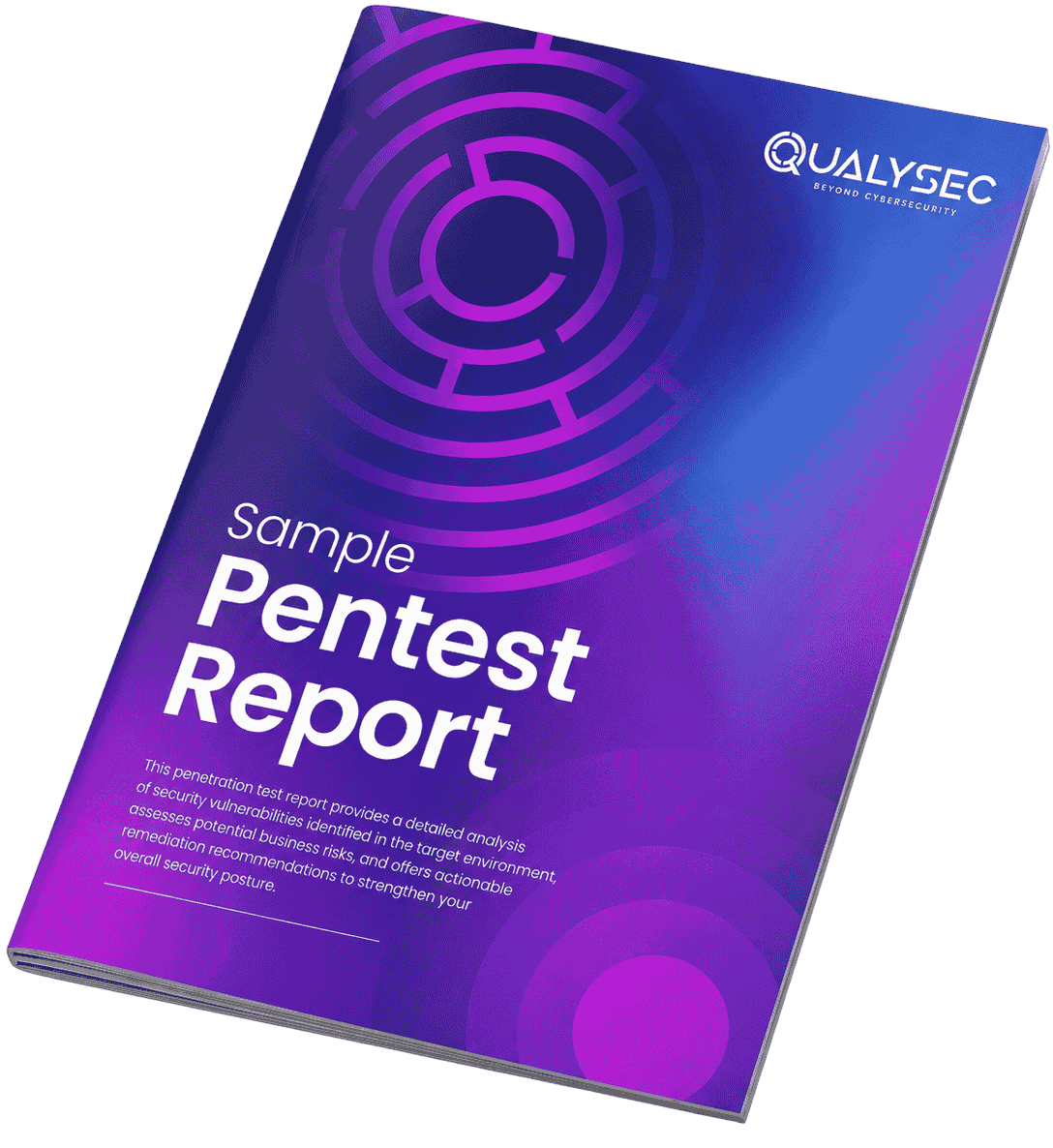
Download our sample penetration testing report and get detailed insights on how vulnerabilities are identified and addressed.
Criteria for Evaluating Network Security Providers
We evaluated network security service providers based on the following key factors to identify companies that deliver reliable security, strong expertise, and excellent customer value.
1. Technical Expertise
We looked for providers with experienced security teams holding certifications such as OSCP, CISSP, and CREST, along with real-world experience, security research, and threat-hunting capabilities.
2. Security Capabilities
We assessed the range of services offered, including firewalls, endpoint protection, Zero Trust (ZTNA), vulnerability scanning, intrusion prevention (IPS), cloud security, data loss prevention (DLP), and incident response.
3. Industry Experience
Providers with experience across industries like finance, healthcare, government, and SaaS scored higher because they understand industry-specific security challenges and compliance needs.
4. Scalability & Flexibility
We preferred solutions that support cloud, on-premises, and hybrid environments and can easily scale as businesses grow.
5. Compliance Support
We considered providers that help organizations meet standards such as ISO 27001, SOC 2, PCI DSS, HIPAA, and GDPR through compliance-ready services and reporting.
6. Reporting & Transparency
We valued providers that deliver clear reports, actionable recommendations, and transparent testing methods instead of basic automated scan results.
7. Customer Support
We evaluated the quality of customer support based on 24/7 availability, response time, and access to knowledgeable security experts.
8. Reputation & Innovation
Finally, we considered customer reviews, industry recognition, and innovation, giving preference to providers that invest in advanced technologies like AI-powered threat detection and proprietary security tools.
Conclusion
The cyber threat landscape is moving quickly, and it is now more important than ever to have the proper security partner. No matter your company size, the above network security providers have reliable and smart solutions to protect your data. These vendors are at the forefront of modern cyber security, and we have reviewed tools/solutions that include AI and zero-trust.
Connect with one of the top network security companies in the USA today.
FAQS
Q. How to select a network penetration testing company?
Opt for a company that will conduct manual network penetration testing in addition to automated vulnerability scanning tools. Inquire if they test both external and internal networks, validate exploitability, and offer tried-and-tested advice on how to remediate. A detailed report with risk ratings, proof of exploitation, and advice on how to fix vulnerabilities is crucial. Experience on enterprise networks, experience in cloud environments, and compliance requirements are also important.
Q. How much does network penetration testing cost?
Network penetration testing cost is influenced by several factors, such as the number of IP addresses, the size of your network, the complexity of your infrastructure, and the scope of testing. A small network assessment will begin at about $5,000, and a large enterprise network with multiple locations, cloud-based infrastructure, and internal testing may cost between $15,000 and $50,000+ depending on the size of the network to be assessed.
Q. How long does a network penetration test take?
The time for most network penetration tests depends on the size and complexity of the environment and can range from one week to three weeks. Smaller external network assessments can finish within a few business days, and larger organizations can take a few weeks for a comprehensive internal and external network assessment, including reports.
Q. What is the difference between a network vulnerability assessment and a network penetration test?
I would consider a network vulnerability assessment to be the use of automated tools that identify known security gaps on network devices and systems. A network penetration test takes it a step further, however, by manually exploiting those vulnerabilities to see if an attacker can access the network without permission, obtain elevated privileges, move about in the network, or access sensitive data. This gives a true measure of real-life risk.
Q. What is the recommended frequency of network penetration testing for a company?
Network penetration testing is a crucial activity that should be conducted at least once a year for most organizations. Further testing should be conducted following major changes to a network, cloud deployments, mergers, infrastructure upgrades, and deployment of new critical systems. For organizations that require high levels of compliance or have constantly evolving environments, quarterly or regular testing could be beneficial in order to continually ensure a robust security position.
Q. Create a list of network security solutions that have the best customer support?
Some network security providers known for strong customer support include Cisco, Fortinet, Palo Alto Networks, Check Point, Sophos, and Qualysec. They provide dedicated security support, expert guidance, and assistance throughout the security testing process