

Every business sits on software, meaning security matters. Your website, your data systems, and your mobile app may have holes that you don’t even know exist. A software security assessment is essentially a check-up for your systems. As we enter 2025, threats to your security are more advanced than ever. Performing regular security checks is not just a good idea; it is essential.
What Is a Software Security Assessment?
A software security evaluation is a simple yet effective process. Experts will look through your software’s code, settings, and behaviour, and identify security gaps before bad actors do. It’s not guesswork, but rather, an expert-led systematic review that collects evidence using tools and expertise. It’s like allowing a security expert to inspect every crevice to ensure your software structure is not leaking.
Read: What is Security Testing in Software Testing?
Why Your Business Needs One
Cyberattacks are not rarer than unicorns; they are now an everyday risk and potential risk for businesses of any size in the United States. A single weak point in your software can expose sensitive information, ruin a reputation, and cost you thousands to recover from.
In fact, many of the breaches you have read about recently can be traced back to insecure code or overlooked vulnerabilities. Obviously, performing a software security assessment will help you identify the potential issues and fix them before attackers take advantage of them.
Even with industry compliance checks, like HIPAA or PCI DSS, which are strict in protecting information, to have happy and repeat customers, a software security assessment builds trust with your customers, knowing that their information is safe in your hands. To put it simply, it’s not just damage control; it’s a requirement.
Discover: Security Threats to Software Applications (With Solutions)
What’s Included in the Assessment
A software security assessment isn’t just a brief security assessment; it’s a comprehensive investigation of your applications and systems. We want to identify vulnerabilities before they can turn into legitimate threats to the organisation. When conducting an assessment, the steps are designed to simulate real-world threats as much as possible while providing you with a documented action plan on how to address and mitigate the vulnerabilities. Here is what’s normally involved:

1. Code Review
Trained professionals will look through the source code of your application to find potential issues that often can be hidden from automated scanners, such as, for example, logic errors, insecure code, or gaps in security that hackers could use. A productive code review will confirm that security is baked into the very foundation of your applications.
2. Penetration Testing
Penetration testing simulates a hacker attack by trying to determine how well your system can withstand an attack. Ethical hackers will try to exploit weaknesses in your system using the same techniques as real hackers; this is a good way to get a professional security assessment. This also gives you an understanding of which vulnerabilities are the worst and need to be patched urgently. Get detailed insights on Software Penetration Testing.
3. Configuration Checks
In a similar way to how well-constructed software can fall down in configuration, review of configuration focuses on settings, such as, for example, users and permissions, database security, network access control, etc. The objective of system/Configuration checks is simple – to ensure that your systems have not become vulnerable to attackers based upon weaknesses in out-of-date or poorly written configurations.
4. Risk Report & Solutions
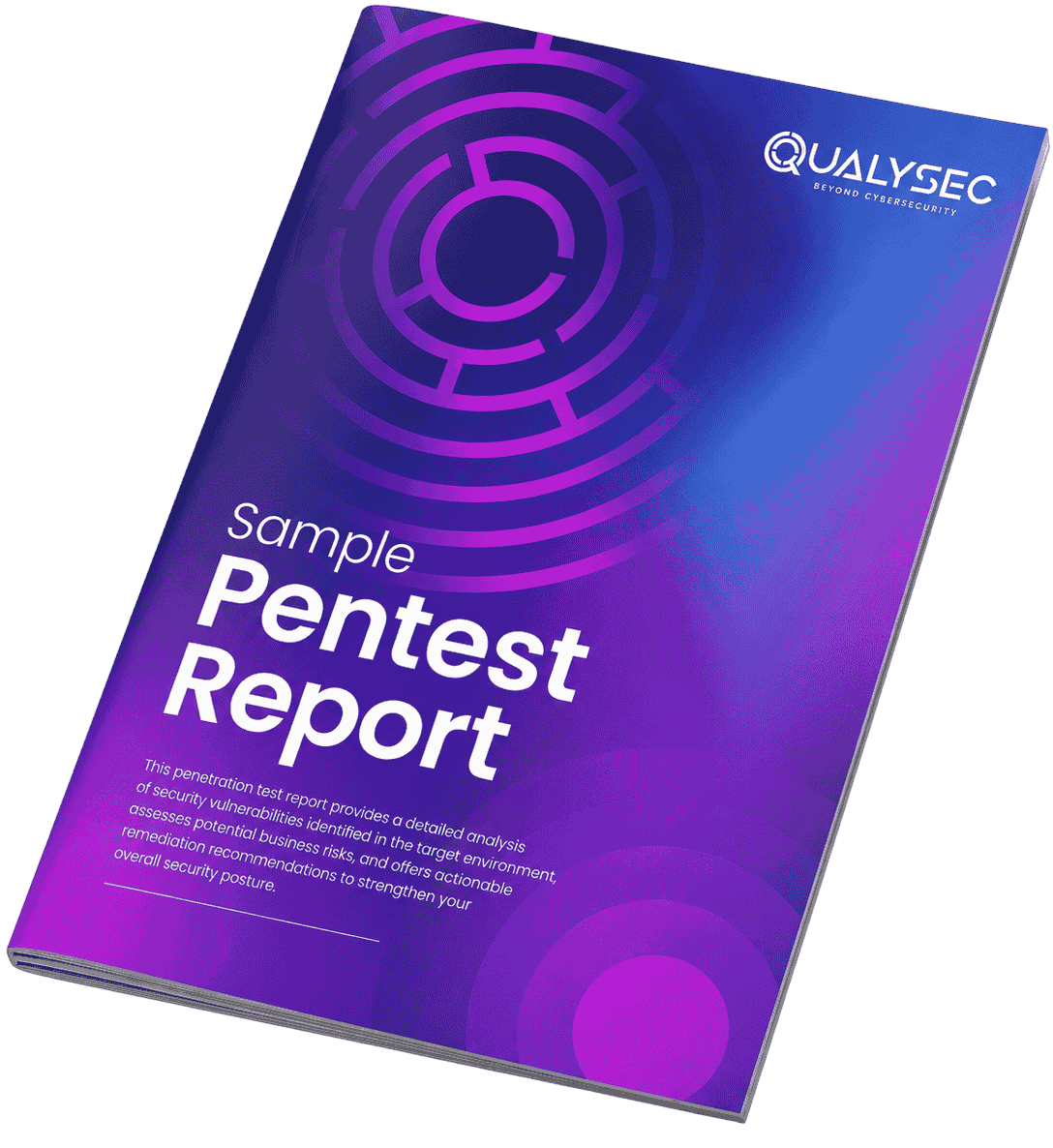
After these assessments are completed, you will receive a detailed and useful report outlining all points of assessment/risk(s) discovered during the testing procedure. The report will prioritise and classify each risk by severity and provide recommendations for resolving the issues identified. There will be no lengthy or burdensome technical descriptions, but rather practical/achievable actions for the security team to use to enhance and improve your cybersecurity posture very quickly.
Download a Free Sample Security Assessment Report Now.
How Often Should You Do It?
Cyber threats evolve quickly, and new vulnerabilities show up as technology changes. If your business rolls out major software updates, adds new apps, or integrates third-party tools, it’s smart to schedule an extra assessment right after.
Some industries in the U.S.—like healthcare, finance, and e-commerce—require more frequent checks to stay compliant with regulations. In 2025, many security experts also recommend moving toward continuous assessments or quarterly reviews, especially for businesses handling sensitive customer data. The more often you test, the lower your chances of being caught off guard by a breach.
How Can Qualysec Help?
If you’re looking for a dependable partner in this, let me introduce you to Qualysec. They are a U.S and global-facing cybersecurity firm that provides tailored security assessments. They offer a mix of automation with manual testing to identify things automated tools might not catch.
The firm covers a wide range, too, including SaaS testing with APIs and multi-tenant fixes, API security, e-commerce platforms, artificial intelligence-based applications, mobile, cloud, and HIPAA compliance for healthcare systems. Schedule a Discussion for your next project.
Conclusion
A software security assessment in 2025 isn’t just important—it’s essential. It’s your best protection against code weaknesses, cyber-threats, and compliance gaps. It helps you build trust, save money, and ensure your business is running at maximum efficiency.
With the knowledge and experience of Qualysec, it couldn’t be easier to obtain a thorough and current assessment, nor a better decision for your organisation to take.
Have questions? Send us a message and get expert answers fast.
FAQ’s
1. How does a software security assessment differ from penetration testing?
A software security assessment considers your code, settings and overall configuration for risk; penetration-testing is just one part of a security assessment, where ethical hackers try to simulate attacks to understand how your configuration holds up against real attacks. You can think of penetration testing as just one tool in the toolbox as part of a security assessment.
2. What risks can a software security assessment uncover?
A software security assessment can identify code flaws and security misconfigurations, insecure authentication setups or insecure code that connects to third-party software functions. These risks could lead to a data breach, ransomware attack or compliance breach. The quicker you can identify those risks, the faster you can remediate and prevent a significant threat to your business.
3. How often should businesses conduct software security assessments?
At a minimum, you should conduct a security assessment annually, and potentially even more often if your company stores sensitive customer data or must comply with industry regulations such as healthcare and finance. Experts also strongly recommend conducting a software security assessment after any major software upgrades or changes to your systems and setup.