



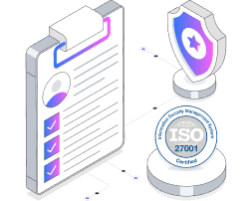





A government security assessment is a process of systematic assessment, which helps define weak points and enhance data protection in the context of organisations of the public sector. With the ever-growing level of cyber threats being experienced throughout the world, the need for entities in the public sector to protect sensitive data concerning the citizens and other vital infrastructure is greater than it has ever been.
In addition to that, the growing complexity of cyberattacks requires the development of extensive security frameworks that surpass conventional security solutions. Further, according to recent research, the process of government security assessment is necessary to provide trust to the people and continuity of operations.
Furthermore, regulatory measures such as the NIST cybersecurity framework and FFIEC compliance testing have also emerged as pillars of the cybersecurity programs of the public sector. Therefore, companies need to become more proactive towards risk identification, control, and subsequent adherence to the changing security standards.
What Challenges Does Government Security Assessment Face in Modern Public Sector Systems?
The Growing Complexity of Cyber Threats
The public sector entities are faced with more advanced cyber threats that compromise the critical infrastructure and sensitive data. Also, a geography of governmental security evaluation displays that the menace actors utilise sophisticated methods such as ransomware, distributed denial of service (DDoS), and chain vulnerabilities. Chief Information Security Officers working in government and the public sector have a complex job since the criminal activity of hacking critical infrastructure has grown far over the last five years because of the fast-evolving geopolitical situation, and simmering.
Moreover, the old IT infrastructure introduces major security loopholes. Several government agencies maintain intricate and obsolete IT systems with various systems and old-fashioned technologies that present openings to attackers to penetrate the systems. In the meantime, the resources are also limited, which hinders the adoption of full government penetration testing programs. Hence, security requirements must be balanced according to budget constraints in organisations without compromising on the services.
Explore what penetration testing can do for your security.
Regulatory Compliance and Governance Challenges
The application of efficient FFIEC compliance testing and the NIST cybersecurity framework is a major challenge to government organisations. The regulatory environment continues to get more complex, and the prospective cybersecurity regulatory measures, including the Digital Operational Resilience Act (DORA), the NIS2 Directive, and the Cyber Resilience Act, are affecting thousands of companies and government agencies.
In addition, studies show that there are severe governance weaknesses. Several recent hacking incidents indicate that poor governance procedures are one of the prevalent reasons behind poor security practices in most companies. As a result, organisations are grappling with:
- Fragmented security solutions that lack enterprise-wide integration
- Limited understanding of emerging cyber technologies
- Insufficient risk assessment processes for identifying vulnerabilities
- Inadequate budget allocation for cybersecurity initiatives
- Skills shortages in specialised security domains
- Poor alignment between strategic governance and daily operations
The Human Factor and Organisational Culture
Another important factor in the effectiveness of cybersecurity in the public sector is human factors. A risk-averse internal culture is one of the most challenging digital transformation issues in the public sector, which enables rogue factors to capitalise on the opportunity with the help of AI and focused misinformation to create as much havoc as possible. Moreover, security awareness is not present among employees, making them more vulnerable to social engineering attacks. Thus, a thorough training is still necessary in developing security-sensitive organisational cultures.
| Challenge Category | Impact Level | Primary Mitigation Strategy |
| Legacy Infrastructure | High | Systematic modernisation and integration |
| Resource Constraints | Critical | Prioritised budget allocation |
| Regulatory Compliance | High | Framework alignment and continuous monitoring |
| Skills Gap | Medium | Training and external partnerships |
| Governance Flaws | Critical | Enterprise systemic approach implementation |
| Cultural Resistance | Medium | Security awareness programs |
How Can Organisations Implement Effective Government Security Assessment Frameworks?
Adopting Recognised Security Standards
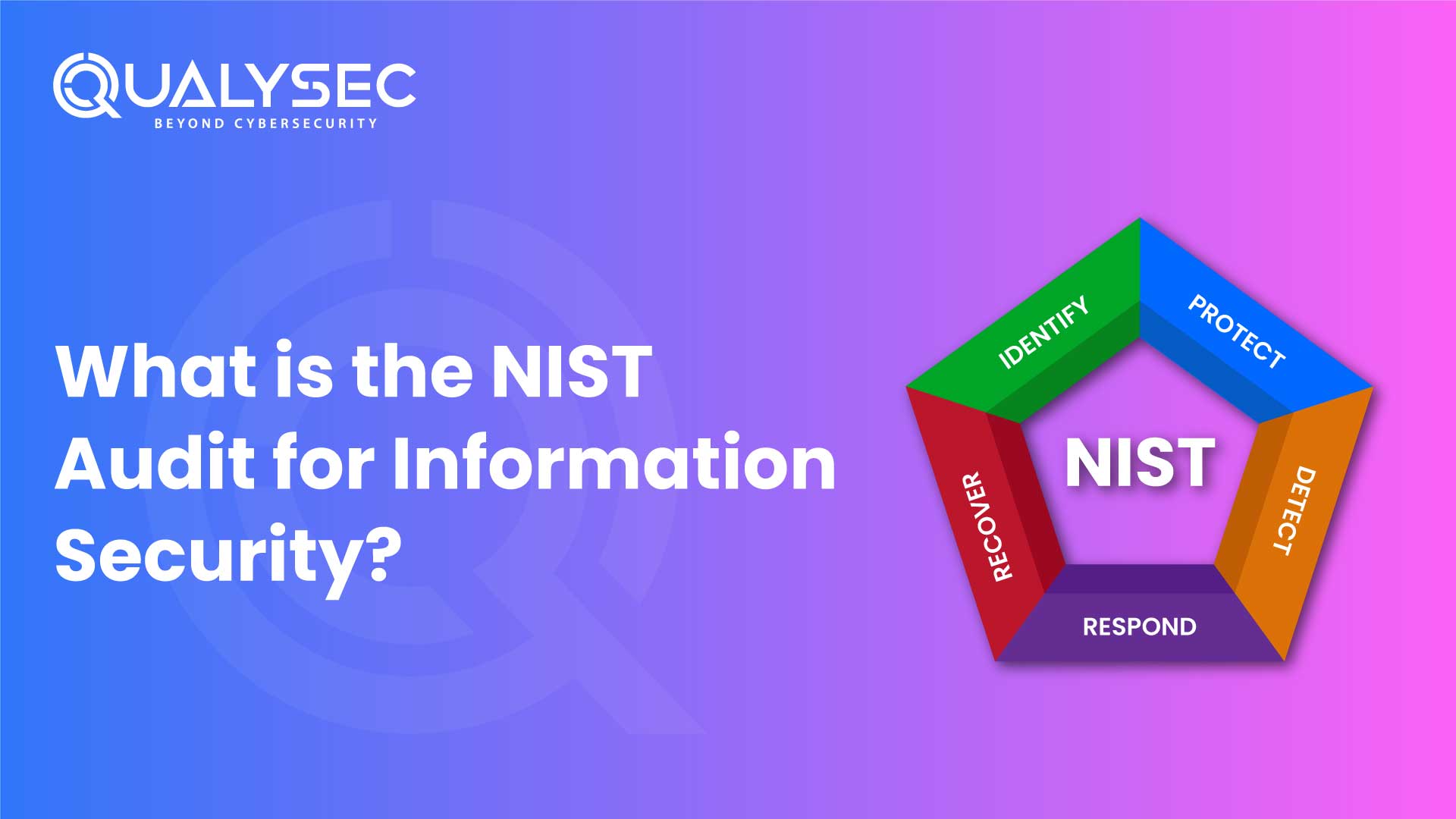
The introduction of a standardised framework is very strong in enhancing the security assessment systems by the government. The literature reviewed highlights the importance of following the accepted governance standard frameworks, i.e., ISO/IEC 27,001, EU General Data Protection Regulations (GDPR), and EU Network and Information Security Act(NIS) to offer efficient information security guidance frameworks in the public sector. Moreover, the NIST cybersecurity framework offers systematic, directional advice in identifying, protecting, detecting, responding to, and recovering from cyber events.
Organisations should consider:
- ISO/IEC 27001 for information security management systems
- NIST Cybersecurity Framework for comprehensive risk management
- FFIEC compliance testing protocols for financial institutions
- GDPR requirements for data protection and privacy
- NIS2 Directive for network and information security
Moreover, such frameworks need to be tailored to suit particular organisational situations. Thus, penetration testing programs by the government must be oriented towards selected frameworks to test security controls.
Building Robust Risk Management Programs
Successful government security assessment initiatives are based on successful risk management. Studies indicate that 27 of 41 articles address the significance of risk management in information security governance in the public sector organisations, and this explains why risk management is a significant aspect that can be used to guarantee that the identified governance is mitigated and controlled. In addition, companies should adopt a continuous monitoring framework where visibility into the state of security is in real time.
Key components include:
- Asset inventory management to identify and prioritise critical systems
- Threat intelligence integration for proactive threat detection
- Vulnerability scanning and assessment programs
- Risk scoring methodologies for prioritisation
- Remediation tracking and verification processes
- Regular security audits to ensure compliance
Strengthening Technical Security Controls
Technical security controls safeguard against the developing threats to the cybersecurity infrastructure of the public sector. Technical security entails the use of appropriate security of the entire network, such as the security of communication and transaction data. Moreover, the organisations must adopt a defence-in-depth strategy where several security controls are stacked.
Essential technical controls include:
- Network segmentation to limit lateral movement
- Encryption protocols for data at rest and in transit
- Multi-factor authentication for access control
- Intrusion detection and prevention systems for threat monitoring
- Security information and event management (SIEM) solutions
- Endpoint protection with advanced threat detection
Why Should Organisations Prioritise Continuous Security Assessment and Monitoring?
The Dynamic Nature of Cyber Threats
The threats posed by cyber attacks keep changing, and the government needs dynamic security assessment strategies. The introduction of the advanced monitoring systems with the aid of artificial intelligence and machine learning will detect the anomalies in real time and allow responding to the incidents. Also, attack vectors are constantly being created by threat actors to use in attacks that utilise new exploits. Thus, any security control that is not constantly updated and evaluated becomes outdated quite quickly.
Organisations benefit from:
- Continuous vulnerability assessments that identify new weaknesses
- Penetration testing programs are conducted regularly
- Threat hunting activities to detect advanced persistent threats
- Security metrics tracking using key performance indicators
- Incident response drills to test preparedness
- Security posture reviews aligned with business objectives
Measuring Security Effectiveness Through KPIs
Key Performance Indicators on information security governance refer to quantifiable measures that organisations employ to measure both effectiveness and efficiency of organisational information security endeavours, as well as success. Additionally, KPIs facilitate the data in making decisions and improving the value of a security program to the stakeholders. In its turn, it is recommended that the organisations develop metrics that are consistent with strategic goals and regulatory demands.
Critical KPIs include:
- Mean time to detect (MTTD) security incidents
- Mean time to respond (MTTR) to threats
- Percentage of assets with current security patches
- Number of identified vulnerabilities and remediation rates
- Security awareness training completion rates
- Compliance audit findings and resolution timelines
Ensuring Accountability and Governance
The presence of strong governance structures makes the government security assessment processes effective and sustainable. Information security governance may be defined as a solution in order to attain optimal protection of the organisation and its goals at the top management level, and balance the risks associated with the information security principles through the development and maintenance of the control environment. In addition, top management buy-in contributes to security culture within companies. As such, it becomes necessary to have definite roles, duties, and accountability plans that make the program successful.
What Role Does Government Penetration Testing Play in Security Validation?
Understanding Penetration Testing Methodologies
The government penetration testing offers vital validation to the security controls by hacking in simulated attacks. This is a proactive method that can trace vulnerabilities and prevent their abuse by malicious people. Also, penetration testing is a complement to vulnerability testing as it shows the practical usage cases. Further, organisations receive practical guidance on vulnerabilities in security and priorities in remediation.
Effective penetration testing includes:
- External network testing to assess internet-facing systems
- Internal network assessments simulating insider threats
- Web application testing for e-government platforms
- Social engineering exercises to evaluate human factors
- Wireless network assessments for mobile security
- Physical security testing when appropriate
Integrating Testing into Compliance Programs
Regular security testing is usually required by FFIEC compliance testing and other regulatory requirements. Nine articles talked about conducting audits to ensure compliance with the relevant legislation and standards, such as ISO 27,001, information security policy, GDPR, and industry-related requirements. In addition, compliance reporting is informed by the results of testing, and as a sign of due diligence to the regulatory authorities. Thus, government penetration testing should be included in larger compliance structures in organisations.
Testing should address:
- Regulatory requirement validation for compliance frameworks
- Control effectiveness verification for implemented safeguards
- Gap identification between the current and desired security states
- Risk quantification for informed decision-making
- Remediation verification following vulnerability corrections
- Continuous improvement through iterative testing cycles
Building Internal Security Capabilities
Organisations have to enhance internal professionalism with external government penetration testing services. Training programs on security awareness should be important in the enhancement of organisational culture and enhance security culture and behaviour. Also, cross-functional coordination improves the effectiveness of the security programs. Meanwhile, the outside consultants offer specialised skills and objective evaluations. In turn, internal and external resources are merged in balanced strategies that achieve the best security results.
Key capability areas include:
- Security operations centre (SOC) functions for monitoring
- Incident response teams for breach management
- Vulnerability management programs for remediation
- Security architecture expertise for system design
- Compliance management capabilities for regulatory adherence
- Risk assessment skills for strategic planning
Why is Qualysec the Best Company for Government Security Assessment in the USA and Globally?
Unmatched Expertise in Public Sector Cybersecurity
Qualysec is the leader in the industry when it comes to companies that demand the following services in terms of a detailed government security assessment. Qualysec has a rich experience with government agencies and public sector organisations in the USA and the world in general. Besides, their staff of trained security experts is aware of the extraordinary issues confronting government organisations, such as incomprehensive regulatory mandates and old infrastructure limitations. Qualsirec also has well-tested methodologies that are fully compatible with NIST guidelines on cybersecurity framework and FFIEC compliance testing.
Qualysec delivers exceptional value through:
- Comprehensive assessment services covering all security domains
- Regulatory compliance expertise for NIST, FFIEC, and international standards
- Advanced penetration testing using industry-leading methodologies
- Customised security solutions tailored to organisational needs
- Risk management frameworks aligned with business objectives
- Continuous support throughout security program lifecycles
Proven Track Record of Excellence
Qualysec has been able to collaborate with several governmental agencies to improve the posture of their cybersecurity in the public sector. Their methodology starts with a rigorous discovery and risk assessment of assets, goes through detailed vulnerability analysis and penetration testing. In addition, Qualysec offers elaborate remediation advice that has prioritised action plans to tackle the most crucial vulnerabilities. As a result, organisations are making quantifiable changes in the effectiveness of security and compliance preparedness.
Services offered include:
- Government security assessments following recognised frameworks
- NIST compliance audits with gap analysis and remediation planning
- FFIEC compliance testing for financial sector requirements
- Penetration testing services for networks, applications, and infrastructure
- Security architecture reviews for system design validation
- Incident response planning and tabletop exercises
Strategic Partnership Approach
Qualysec differentiates itself by working with partners instead of transacting. Their security professionals collaborate with their client teams to impart knowledge and internal capabilities. Moreover, Qualysec is a company that ensures the open flow of communication during engagements, and stakeholders are aware of security findings and recommendations. In the meantime, they have flexible engagement models that fit different budgets and schedules of organisations.
Location and accessibility:
- USA presence with nationwide service coverage
- Global reach supporting international government organisations
- Remote and on-site assessment capabilities
- 24/7 support for critical security incidents
Make a free consultation with Qualysec now to discuss your government security assessment needs. Their team will consider your existing security posture and come up with tailored solutions that meet your exact needs and, at the same time, comply with appropriate frameworks.
Download comprehensive resources, including penetration testing reports and security guides, at https://qualysec.com/resources-hub/ to understand best practices for public sector cybersecurity. Additionally, explore their complete service offerings to learn how Qualysec can change the security program of your organisation.
Speak directly with Qualysec’s certified professionals to identify vulnerabilities before attackers do.

Conclusion
The government security assessment programs are necessary to protect sensitive information and ensure the confidence of the population in the ever-growing digital world. Organisations need to utilise the integrated models, such as the NIST cybersecurity framework, and undertake frequent government testing and penetration testing that is conducted by the FFIEC. Moreover, good governance systems, sufficient distribution of resources, and determination of the top management are needed to attain success. The changing threat level requires unceasing surveillance, evaluation, and modification of security controls. Hence, the public sector organisations are encouraged to collaborate with established providers such as Qualysec to enhance their public sector cybersecurity stance and become regulatory compliant.
Talk with Qualysec experts today to begin your security transformation journey. Their established practices and understanding of security assessment in the government will help your organisation develop resilient defences to the upcoming cyber threat, as well as comply with all the requirements.
Frequently Asked Questions (FAQs)
1. What is a government security assessment?
Government security assessment refers to a regulated process of evaluating bodies in the public sector to determine vulnerabilities and provide the appropriate protection. This overall review will involve the examination of technical controls, policies, procedures, and adherence to the standards and models, such as the NIST cybersecurity framework, to protect sensitive government data.
2. Why are security assessments important for public sector systems?
Security testing is essential as cybersecurity of the public sector safeguards the information of its citizens, its credibility, and the stability of the fundamental services. Furthermore, such assessments determine the weak areas ahead of their misuse by malicious elements, thereby assisting organisations to adhere to laws, such as FFIEC compliance testing requirements.
3. How does NIST or FFIEC compliance apply to government IT?
The NIST cybersecurity framework provides government organisations with an organised system of dealing with cybersecurity risks utilising five central functions, which are identify, protect, detect, respond, and recover. Furthermore, FFIEC compliance testing sets standards of security in regards to a particular financial institution and demands the frequent evaluation and the process of risk management to be represented in writing.
4. What are common vulnerabilities found in government networks?
The vulnerabilities that may be common are the use of old legacy systems, unpatched software, ineffective authentication controls, weak network segmentation, and a low level of security awareness among the employees. Moreover, government penetration testing often identifies misconfigurations, excess user privileges, and lapses in incident response capacity that an attacker can use.
Schedule a free consultation with Qualysec’s security experts to develop a customised government security assessment strategy for your organisation today.





















































































































































































































































0 Comments