






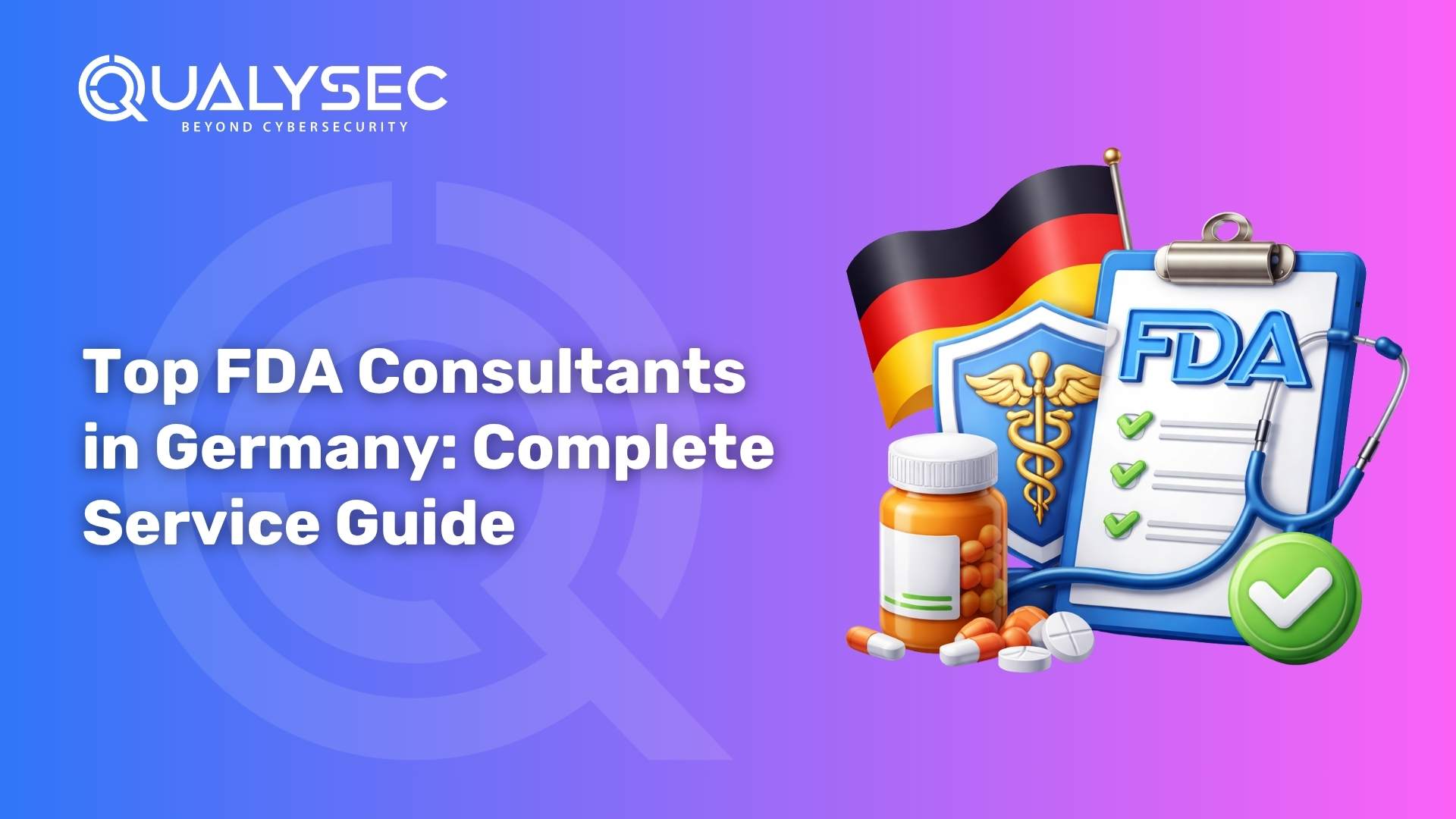
Germany is also among the world’s most powerful centres for medical device innovation. German companies are increasingly targeting the U.S. market; this trend reflects startups creating software-intensive medical equipment and more established companies seeking to enter new markets across the globe. The FDA is one of the most stringent regulatory organizations in the world, which is a company in the U.S. healthcare ecosystem.
Over the past few years, the cybersecurity requirements of FDA have increased, especially in relation to related, connected, and cloud-powered medical devices. The FDA is now keen on assessing the manner in which manufacturers identify, handle and report cybersecurity risks throughout the entire product life cycle. Such technically sound products may be delayed or requested to provide extra information or rejected in case of the lack of cybersecurity documentation or its inconsistency with the FDA recommendations.
Here, FDA consultants in Germany become very important. The right FDA consultant assists with linking the technical security controls to regulatory documentation in such a manner that penetration testing, risk assessment, and compliance evidence line up with the needs of FDA.
The issues prevalent among many of the German medical device companies continue to be disjointed, including multiple vendor-based consulting models, a lack of alignment between security testing and FDA documentation, and the ownership of FDA submission results is unclear. These problems bring about slowness in the submissions, regulatory risk, and an increase in expenditure.
This guideline defines the qualities of a leading FDA consultant in Germany, the constraints of the traditional consultations, and why an end-to-end FDA cybersecurity partner is now paramount to expedite and secure FDA approvals more quickly.
Understanding the Role of FDA Consultants in Germany
As far as German medical device companies intending to enter the U.S. market, FDA consultants are at the heart of mitigating the risk of regulation and shortening the approval process. Cybersecurity is not a theoretical concept that is evaluated by the FDA. It anticipates the existence of evidentiary traceability of the identification, control, testing, and documentation of cybersecurity threats during the medical device lifecycle. The FDA consultants assist the manufacturers in overcoming this complexity and preventing the submission delays that are costly.
What FDA Consultants Typically Offer
The majority of FDA consultants in Germany are offering regulatory-oriented services, which facilitate FDA premarket and postmarket submissions. Such services typically involve comprehensive advice on how the FDA cybersecurity requirements relate to a particular medical device, its intended purpose, and the location of implementation.
The consultants are frequently involved in the interpretation of the FDA guidance documents, alignment of internal policies with regulatory language and evaluation of the available cybersecurity documentation to consider its completeness. This usually entails assessment of risk management documents, cybersecurity plans and top-tier security architecture documentation to determine the gap between the FDA expectations and those documents.
Most FDA consultants also assist the companies in writing the submissions, sorting the documentation packages, answering the FDA reviewer questions, and recommending to get the companies out of trouble by remedying where the weaknesses are found. This advice can be useful to organizations that have limited expertise in internal regulation.
FDA consultants, however, in the majority of conventional consulting models are more advisors than consultants. They seldom perform any practical security testing and actually produce the technical evidence that the FDA anticipates encountering.
Common Challenges with Traditional FDA Consulting Models
Although regulatory advisory services can be helpful, the traditional FDA consulting models tend to create structural vulnerabilities, which expose them to regulatory risks.
Vendor fragmentation is one of the most frequent problems. Cyberspace security tasks, like penetration tests, vulnerability testing, and threat modeling, are often contracted out to distinct technical vendors. Documentation is either prepared or counter-purveied by another FDA consultant. This segregation creates a discrepancy between the test and what is to be provided to the FDA.
Inequality of risk interpretation is another problem. In case there are two or more parties, the threat models, risk ratings and mitigation strategies can be based on other assumptions or methodologies. These inconsistencies are usually not overlooked by FDA reviewers, upon which they may impose further information demands or force a complete re-write of whole parts of the submission.
Another issue that is critical is accountability. Whenever the FDA poses cybersecurity questions, it is not always clear who is responsible for responding. Test vendors are not necessarily familiar with requirements in FDA documentation, whereas regulatory consultants are not necessarily familiar with the technical findings. This ping-pong slows down the responsiveness and the time taken by FDA to review.
Lastly, the traditional models experience difficulty in meeting expedited FDA schedules. Where the time of submissions is of the essence or when FDA feedback involves the need to rectify fast, integration with multiple vendors can hinder the execution process at the point in time when it is most needed, speed and clarity.
To German medical device companies, such challenges reveal why FDA approval is more and more reliant on the sole regulatory recommendation. A single solution, which incorporates cybersecurity testing and risk management with the FDA-ready documentation under a single responsible bottleneck partner, is becoming imperative in achieving predictable and quicker FDA approvals.
Must Read: Best US FDA Consultants: Services, Costs & Success Rates
What Makes a Top FDA Consultant in Germany?
Not every FDA consultant can have equal value or risk mitigation. In the case of German medical device firms, the selection of the FDA consultant may directly affect the approach to timelines, confidence in the regulations, and the success in the market in the long-term. The best FDA consultants are those who are not only regulatory savvy but also have profound cybersecurity implementation and are accountable.
Deep FDA Cybersecurity Expertise
Leading FDA consultants realize that cybersecurity is no longer a peripheral aspect in FDA medical device assessment, as a secondary task in a checklist. They remain abreast of changing FDA positions and demands of premarket and postmarket cybersecurity and understand how these demands can be translated into concrete and defensible evidence.
It involves a good grasp of the cybersecurity risk management, threat modeling, vulnerability management and secure development practices as it applies to medical devices. Patient safety and device efficacy are some of the key FDA issues consultants need to demonstrate how cybersecurity controls can be used to safeguard patient safety and the effective use of a device.
Alignment Between Security Testing and FDA Documentation
The characteristic feature of the top FDA consultants is the possibility to coordinate technical security testing and regulatory documentation. The penetration testing, vulnerability tests and assessments of risks should be directly incorporated into the documents required by the FDA instead of being independent technical reports.
With the results of testing processes clearly mapped onto the risk management files and documentation of cybersecurity, the reviewers of the FDA can easily confirm that the identified risks are known and addressed. This consistency helps a great deal to cut down on follow-up questions as well as delays in review.
Experience Across Company Sizes and Device Types
The most successful FDA consultants in Germany have worked with a broad spectrum of organizations, both start-up and established enterprise medical device manufacturers. The two groups encounter various obstacles.
Startups might require advice on how to develop and build FDA-ready cybersecurity processes from the bottom-up, and larger organizations may have to match multi-faceted development and quality systems with FDA requirements. Broadly experienced consultants can scale their approach without impacting on the quality of regulation.
Emergency FDA Submission Support
FDA schedules cannot always be quite predictable. Lack of letters, extra information requests, and last-minute changes to submissions are usual. The best FDA consultants will be ready to offer emergency services when time is short.
This involves gap analysis that is quick and efficient, faster testing and quicker updating of documentation without the creation of new risks to the FDA standards. Speed in such cases should be accompanied by accuracy and assurance over regulation.
Clear Ownership and Accountability
Accountability, perhaps, is the most significant distinction. The best FDA consultants not only give advice but are also accountable for the outcome. They are the owners of the congruence in cybersecurity activities and FDA submissions, and the quality of the final documentation.
In the case of German medical device companies, such ownership minimizes regulatory risk and enables internal teams to concentrate on product development and commercialization instead of dealing with a number of vendors or overcoming contradictory instructions.
Also Read: Top 30 Cybersecurity companies in Germany (2026)
Qualysec’s End-to-End FDA Cybersecurity Framework
Fragmented consulting and testing models will add unwarranted risk to German medical device companies that are trying to get FDA approval. Qualysec solves this dilemma by offering an end-to-end, full FDA cybersecurity system which integrates technical implementation, regulatory compliance and easy accountability in a single partner.
One Partner From Start to Finish
Qualysec provides the services of a single FDA cybersecurity collaborator throughout the whole submitting process. Since the initial cybersecurity planning, up to the final FDA review support, everything is organized in a single structure. This removes the idea of handoffs between different vendors and establishes uniformity in all the stages of FDA.
Technical Security Testing and Regulatory Documentation Perfectly Aligned
Compared to the traditional FDA consultants who use the third-party testing reports, Qualysec conducts technical security tests and designs FDA-facing documentation. Directly related to cybersecurity risk management files and FDA documentation requirements are penetration testing, vulnerability assessments, and threat modeling.
This correlation can help be sure that each technical finding has a relatively justified regulation and that all of the controls documented are discussed by evidence. Consequently, the submissions submitted to FDA reviewers are clear, traceable, and defensible.
Complete Accountability With Qualysec Owning All Work
Qualysec is fully responsible for technical and regulatory outcomes. It is not unclear when it comes to ownership in cases of FDA questions. Since all work is done in-house, any FDA inquiries are responded to faster, more correctly and completely in line with the initial submission.
This model, which involves a single owner, minimizes the chances of opposing interpretations or partial responses during the FDA review cycles.
Fast FDA Response Times Without Vendor Delays
FDA submissions frequently need to be clarified or fixed quickly. The integrated model of Qualysec eliminates delays that come about in integrating various external vendors. Security testing, documentation revision, and responses to regulations can be implemented fast without affecting their quality and compliance.
From Documentation to FDA Approval Fully Handled In-House
Qualysec assists the full process of FDA cybersecurity, including the development of initial documentation and support of its final approval. German medical equipment firms enjoy a consistent, smooth process with cybersecurity risk management, FDA documentation and approval preparedness being considered the same objective.
This framework is an end-to-end structure aimed at mitigating regulatory risk, speeding up the process of approving products by the FDA, and ensuring that companies are assured that their evidence of cybersecurity meets the standards of the FDA at each step.
Download our Sample Penetration Testing Report to understand how vulnerabilities are reported and mitigated.
FDA Cybersecurity Frameworks Followed by Qualysec
Regulatory confidence relies on reliance on cybersecurity frameworks that are learned and trusted by FDA. The FDA cybersecurity program of Qualysec to work with medical device companies in Germany is based on the internationally recognized standards that directly correspond to the expectations of the FDA premarket and postmarket. These frameworks guarantee uniformity, repeatability, and justifiability of cybersecurity risk management in the review of the FDA.
AAMI TIR57:2016 R2023
Qualysec complies with AAMI TIR57:2016 R2023 to make the medical device cybersecurity risk management work in line with the expectations of the FDA throughout the lifecycle of the product. This framework is structured to give a guideline on how to detect cybersecurity threats, evaluate the risk impact and put in place relevant controls between the design and postmarket monitoring.
Through the implementation of AAMI TIR57, Qualysec will make cybersecurity operations closely coordinated with the medical device risk management procedures. This congruency is very necessary in showing the FDA that the risks of cybersecurity are addressed in the same regimented way in the same manner as the risks of patient safety.
NIST Cybersecurity Frameworks
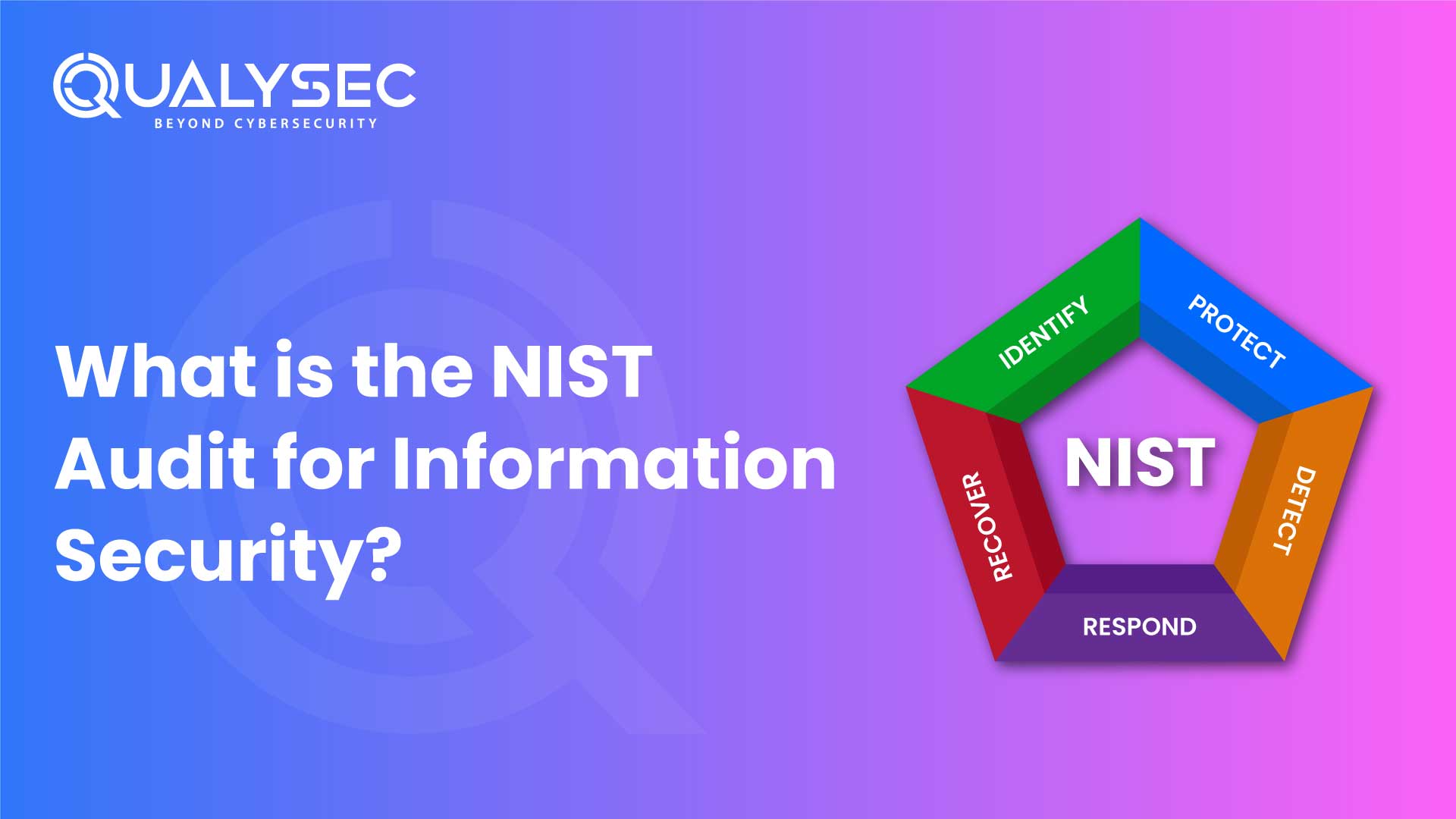
Qualysec uses NIST frameworks to detect, evaluate and address cybersecurity risks according to the requirements of FDA. The use of approaches based on NIST assists in organizing cybersecurity controls with consideration of the key functions, including identification, protection, detection, response, and recovery.
With the help of the NIST frameworks, Qualysec can develop explicit correlations between the risks identified, the implemented controls, and the validation evidence. This framework can assist FDA reviewers in gaining a quick insight into the manner in which cybersecurity risks are managed and sustained during the device lifecycle.
OWASP Security Guidelines
For connected and software-driven medical devices, application-level security is a major FDA focus area. Qualysec applies OWASP guidelines to detect and remediate common application and software vulnerabilities that could impact device safety or data integrity.
OWASP-based testing and remediation strengthen the technical foundation of FDA submissions by ensuring that common and high-impact vulnerabilities are systematically addressed and documented. This reduces the likelihood of FDA cybersecurity objections related to software weaknesses.
By combining AAMI TIR57, NIST frameworks, and OWASP guidelines within a single execution model, Qualysec provides German medical device companies with a cybersecurity foundation that aligns with FDA expectations and supports faster, more predictable approvals.
Worried about hidden vulnerabilities? Book a free consultation with Qualysec and secure your digital systems today.
100% FDA Approval Guarantee
Our Confidence Comes From Owning the Entire Process
We have a fully functional end-to-end strategy, which implies that we are the owners of the process. Until we have completed our entire framework, your cybersecurity reporting is up to FDA specifications, we assure you.
This trust does not revolve around shortcuts and one-time inspections. It is anchored on complete ownership of all cybersecurity affairs that lead to FDA approval. Qualysec manages the process of risk identification, security testing, and documentation of evidence that FDA will review.
Since technical testing and regulatory documentation are prepared concurrently, they do not have gaps, inconsistencies and unjustified omissions. All the cybersecurity controls that have been documented to the FDA are validated in tests and all the test results are articulated using the FDA-ready language.
There is also a quick and correct response to FDA questions through this process of ownership. Qualysec does not use external vendors or incomplete reports when further clarification is demanded. Revision of updates, remedies, and documentation is processed in the same framework as that created the initial submission.
In the case of German medical device companies, this assurance will give regulatory security. It implies that cybersecurity documentation is not simply compliant on paper, but also technically sound, traceable, and consistent with FDA expectations during the submission process, all the way up to the ultimate approval date.
FDA Services Offered by Qualysec for German Companies
Qualysec offers holistic FDA cybersecurity solutions that will assist the German medical device companies throughout the FDA submission process. Instead of providing single service or consultations as advisors, Qualysec provides a complete integrated model of service, which integrates technical security implementation with FDA-ready documentation and approval assistance.
FDA Cybersecurity Risk Assessments
Qualysec performs comprehensive FDA cybersecurity risk evaluations depending on the architecture of the device, its intended use, and the location of deployment. These tests can determine future risks, the level of risk on patient safety and device functionality, and the specified mitigation measures as per the FDA expectations.
The outputs of risk assessment are arranged in a way that assists FDA documentation and eliminates the necessity to rework and re-interpret in the submission.
FDA Penetration Testing for Medical Devices
Qualysec conducts FDA-conformant penetration testing on both connected and embedded as well as software-based medical equipment. The scopes of testing are realistic threat scenarios and FDA concerns on cybersecurity issues as opposed to generic security checklists.
The results are described in such a manner that they allow FDA risk management files and computer security documentation, ensuring that technical evidence is ready to review.
Threat Modeling and Vulnerability Analysis
Threat modeling is applied to detect attack surfaces, abuse scenarios, and ways to affect the device functionality and patient safety. These risks are then verified by vulnerability analysis with the help of structured testing and analysis.
The combination is valuable to prove to the FDA that cybersecurity threats are detected in advance and addressed in an orderly manner.
FDA-Ready Cybersecurity Documentation
Qualysec comes up with assured FDA-pending cybersecurity documentation that complies with both technical discoveries and regulatory expectations. This contains files of cybersecurity risk management, security architecture description and supporting evidence needed in FDA submissions.
Documentation is to be transparent, traceable and defendable when performing the FDA review.
Emergency FDA Submission Support
In cases where FDA schedule is tight, Qualysec offers emergency provision of rapid remediation, testing and documentation update. This is an essential service in the case of FDA deficiency letters or last-minute changes in submissions without affecting the quality of compliance.
FDA Audit and Deficiency Response Support
Qualysec assists German medical device companies with cybersecurity-related inquiries and lack of answers in the course of FDA audit and review. Since everything is held in-house the responses are correct, consistent and in line with the submission structure that was originally presented.
Regulatory risk mitigation through early risk assessment to final support during FDA approval process. Qualysec provides a full model of cybersecurity service to support German medical device companies in entering the United States market quickly.
Proven FDA Track Record
The FDA cybersecurity approach by Qualysec is supported by positive and steady outcomes. German medical devices firms do not select Qualysec simply due to talent and skills, but also due to a demonstrated capability to facilitate a successful FDA filing with an entirely owned, end-to-end system.
Proven FDA Results
- Qualysec has helped more than 20 medical device companies to be approved by the FDA.
- Startup, growth stage and enterprise medical device manufacturing experience.
- FDA cybersecurity ownership: End-to-end testing, documentation, and approval support.
These findings are not motivated by single consulting assignments or review of documents. They are realized through the implementation of a single framework in which the cybersecurity risk management, penetration testing, and FDA documentation are developed under an umbrella responsive partner.
Qualysec is more likely to achieve its goals by having ownership of the complete process of cybersecurity and ensuring that the chances of the FDA objecting to the company are minimized, back and forth reduced during the review cycles and assisting the business to gain approval faster and with more regulatory confidence.
To German medical device manufacturers, this track record is convincing that FDA cybersecurity requirements are not merely known, but met on a consistent and trustworthy basis via a procedure that is otherwise repeatable and dependable.
Client Success Snapshot
The FDA success of Qualysec is because of tangible technical and regulatory enhancements that specifically respond to what FDA reviewers would like to find in medical device cybersecurity submissions. To German medical device companies, these changes transform cybersecurity as a risky review area to a well-grounded and justifiable component of the submission.
Before Working With Qualysec
Prior to the involvement of Qualysec, most FDA submissions had familiar technical gaps that often caused FDA inquiries:
- The risk analysis of cybersecurity was of a top level and not obviously related to machine architecture or purpose.
- The threat models were not defined in terms of attack surfaces, realistic threat scenarios and the analysis of patient safety impact.
- Reporting on penetration testing was present and was not aligned with the cybersecurity risk management files.
- Listed vulnerability findings included no apparent justification for mitigation or residual risk.
- Security controls mentioned in FDA documentation have not been determined to be tested with evidence.
These problems posed challenges to the FDA reviewers to trace the steps that were taken to identify, test, and manage cybersecurity risks, which resulted in a high probability of deficiency letters and prolonged review periods.
After Working With Qualysec
Upon rolling out the Qualysec end-to-end FDA cybersecurity system, filings showed technical and regulatory coordination:
- Threat models of system-specific devices stipulate assets, attack vectors, and possible implications on safety and effectiveness.
- FDA-aligned penetration testing to realistic threat scenarios and related components.
- risks Locate vulnerability directly to risk rating and mitigation measures, and residual risk acceptance.
- Cybersecurity risk management files are organized based on FDA expectations and the AAMI TIR57 guidelines.
- There must be an evident traceability among security controls, test results and FDA documentation.
This technical consistency enabled FDA reviewers to accelerate the validation of the fact that risks related to cybersecurity were addressed in a systematic ma
Compliance Outcome Summary
- Less FDA cybersecurity clarification requests because of traceability.
- Less rework due to uncoordinated testing and paperwork.
- Quickened FDA reviewing with more confident reviewers.
Qualysec helps the German-based medical device companies to submit their cybersecurity paperwork that is both technical and regulator-ready by fixing certain technical gaps that are known to slow down FDA approvals.
Connect with Qualysec experts today and get end-to-end guidance for your medical device approval.
Why German Medical Device Companies Choose Qualysec Over Local FDA Consultants
German medical device manufacturers take local regulatory consultants as their initial step toward FDA. Although these companies are good at offering guidance, most of them do not present the integrated cybersecurity implementation that is currently being required by the FDA. With cybersecurity taking a leading role in the FDA review agenda, firms are turning to Qualysec due to its end-to-end ownership and FDA-appropriate technical depth.
One Accountable FDA Cybersecurity Partner
Consultants of the FDA at the local level usually work in the capacity of advisors and are outsourced by third-party vendors to test the security. Qualysec non-vis-à-vis this disintegration by possessing both the technical work in cybersecurity and the FDA documentation. This model of a sole owner minimizes miscommunication, enhances consistency, and accountability in the entire process of submitting to the FDA.
Cybersecurity First, Not Documentation Only
Qualysec takes its defense of FDA compliance with a cybersecurity-first nature. Penetration testing, threat modeling, and vulnerability management are conducted according to FDA expectations at the beginning, and they are not later retrofitted in documentation. This leads to technically defensible submissions easier to evaluate by the FDA reviewers.
Faster FDA Submissions and Review Cycles
Since Qualysec manages testing, risk analysis, and documentation, German companies do not lose time in coordinating the efforts of several vendors. FDA response is quicker, remedial action is effective and review cycles are more predictable.
Guaranteed FDA-Ready Documentation
In contrast to the traditional consultants who analyze the documents prepared by other companies, Qualysec makes FDA-compliant cybersecurity documentation a part of its main service. The documentation is correlated with testing evidence and regulatory guidance, which minimizes the risk of objections from the FDA concerning unfinished or inconsistent cybersecurity evidence.
Proven FDA Approval Experience
Qualysec also has more than 20 successful FDA approvals that it employed using its end-to-end framework, which has gained experience in its execution that is beyond the capability of many of the local consultants. This track record can reassure German medical device companies that cybersecurity risks are addressed in a manner that the FDA is always comfortable with.
In the case of businesses aiming at the American market, Qualysec provides a more reliable, quicker, and responsible alternative to the conventional FDA advisory methods.
Free FDA Compliance Gap Analysis
German medical device companies should have clear visibility of whether their current cybersecurity posture is actually in line with the expectations of the FDA before they submit their request to the FDA. Qualysec provides a free gap analysis of FDA compliance aimed at detecting risks in the initial stages, before validating them into objections by FDA or delays of approvals.
What the Gap Analysis Covers
The gap analysis compares your current practices and documentation regarding cybersecurity with those of the FDA and the accepted industry frameworks. This includes:
- Assessment of the alignment of cybersecurity risk management to FDA expectations.
- Analysis of the level and breadth of threat modeling of the medical device.
- Evaluation of the penetration testing scope and FDA relevance.
- Confirmation of trace between risks, controls, testing evidence and documentation.
- Determination of missing or deficient FDA-mandated cybersecurity evidence.
Why This Matters for FDA Approval
A lot of FDA submission delays are never caused by a lack of security controls, but rather by a lack of evidence or ill-fit evidence. The gap analysis reveals points where documentation, testing, or risk justification might not meet the expectations of the FDA.
By detecting such gaps at an early stage, companies will be able to solve the problems proactively, not under the pressure of FDA.
Clear, Actionable Outcomes
Upon assessment, Qualysec gives an explicit summary of the findings and a remediation roadmap priority. This will enable the German medical device companies to know precisely what it takes to achieve FDA-ready cybersecurity.
The free FDA compliance gap analysis is a risk-free method of lessening regulatory unpredictability and setting up a more successful FDA submission with trust.
Prepare for FDA Approval With Confidence
The compliance of FDA cybersecurity is not optional and advisory anymore. It is a determinate to German medical device firms that are going to operate in the American market, and it directly influences the approval processes, regulatory risk, and commercial performance.
Qualysec offers a more secure and expeditious route to FDA approval due to its ownership of the entire cybersecurity process. Technical security testing, FDA-ready documentation and approval support, all this is done under a single responsible structure. This method has the benefit of minimizing FDA objections, uncertainty and speeding up to market.
Join over 20 medical device companies that have achieved FDA approval with Qualysec’s end-to-end cybersecurity support. Contact FDA Cybersecurity Experts now!
Qualysec is the most responsible, quickest, and secure FDA cybersecurity collaborator to the German medical-equipment corporations aiming to gain approval to enter the American market.
Conclusion
In the case of medical device companies in Germany, FDA approval is no longer a business milestone. It is a business-critical need, one that requires excellent cybersecurity evidence, documentation, and responsible implementation. Since the FDA scrutiny regarding the security of medical devices is gaining momentum, the use of disjointed consulting models creates undue risk and wastage of time.
In Germany, the best FDA consultants are not characterized by regulatory knowledge alone. They will have to display profound FDA cybersecurity knowledge, reconcile any technical testing with documentation, be responsive to FDA feedback, and own the results. Here, Qualysec is different.
Qualysec will offer a reliable and defendable route to FDA approval through the provision of an end-to-end FDA cybersecurity framework based on AAMI TIR57, NIST frameworks, and OWASP guidelines to German medical device companies. Qualysec has more than 20 successful FDA approvals assisted, assured FDA-ready paperwork, emergency filing services, and free FDA compliance gap examination; it is more of an FDA approval partner than a conventional consultant.
In the eyes of companies interested in quicker approvals, less regulatory risk and accountability, selecting the appropriate FDA consultant is more than that of guidance. It is about ownership.
FAQs
Q: What do FDA consultants in Germany typically help with?
A: FDA consultants in Germany assist the medical device companies on FDA regulatory strategy, preparation of submissions, and compliance documentation in the U.S. market. Most of them mainly emphasize documentation guidance, making them create gaps in case of separation of cybersecurity testing and evidence.
Q: Is FDA cybersecurity mandatory for medical device approval?
A: The FDA cybersecurity requirement is optional concerning connected and software-based medical devices. The FDA demands evidence of the risk identification, mitigation, testing, and documentation clearly and missing cybersecurity components usually slow down approvals.
Q: How is FDA cybersecurity different from general penetration testing?
A: General penetration testing helps to find out the technical vulnerabilities, and FDA cybersecurity involves mapping the results of penetration testing to the risk of patient safety and FDA documentation. FDA consultants in Germany have to make sure that evidence testing has a direct bearing on regulatory submissions.
Q: Can EU MDR compliance replace FDA cybersecurity requirements?
A: No, EU MDR compliance is not a substitute for FDA cybersecurity requirements. FDA requirements are evidence-based and need comprehensive threat modeling, testing, validation, and lifecycle cybersecurity control.
Q: When should German companies engage FDA consultants?
A: In Germany, the majority of FDA consultants suggest the involvement at the early stage of product development to minimize regulatory risk. Nevertheless, even urgent submissions or FDA deficiency responses are critical with the assistance of experts.
Q: Why do FDA submissions fail even after security testing?
A: FDA submissions tend to flunk when the test results are not closely connected to cybersecurity risk management and documentation. The FDA does not only look at evidence traceability, but also whether or not testing was carried out.
Q: What makes Qualysec different from other FDA consultants in Germany?
A: In the format of traditional FDA consultants in Germany, Qualysec possesses both cyberspace testing and FDA documentation. This ownership scheme reduces delays and enhances FDA approval confidence.
Q: Is there a way to assess FDA readiness before submission?
A: Yes, Qualysec has free FDA compliance gap analysis that can be used to assess the testing and documentation of cybersecurity against the requirements of the FDA. This assists German firms in submitting FDA-ready submissions with a reduced risk of regulatory compliance.



























































































0 Comments